The Republic of Maldives, a nation renowned for its pristine beaches and luxury tourism, is undergoing a significant economic and environmental transformation. Facing the dual pressures of climate change and a heavy reliance on imported fossil fuels, the Maldivian government has set one of the world’s most ambitious renewable energy targets.
This strategic pivot presents a unique and compelling opportunity for entrepreneurs and investors considering entry into the solar module manufacturing sector. This guide offers a detailed overview of the legal framework, financial incentives, and government support systems designed to attract foreign investment in solar manufacturing. It is written for business professionals exploring new markets who wish to understand the specific advantages the Maldives offers.
The Strategic Opportunity: Beyond Tourism
The Maldivian economy has long relied on diesel-powered generators—a costly and environmentally unsustainable solution for its 187 inhabited islands. To address this, the government, with support from international bodies like the World Bank, has initiated the ‘Accelerating Renewable Energy Integration and Sustainable Energy’ (ARISE) project. The project’s primary goal is to add at least 50 megawatts (MW) of solar photovoltaic (PV) capacity.
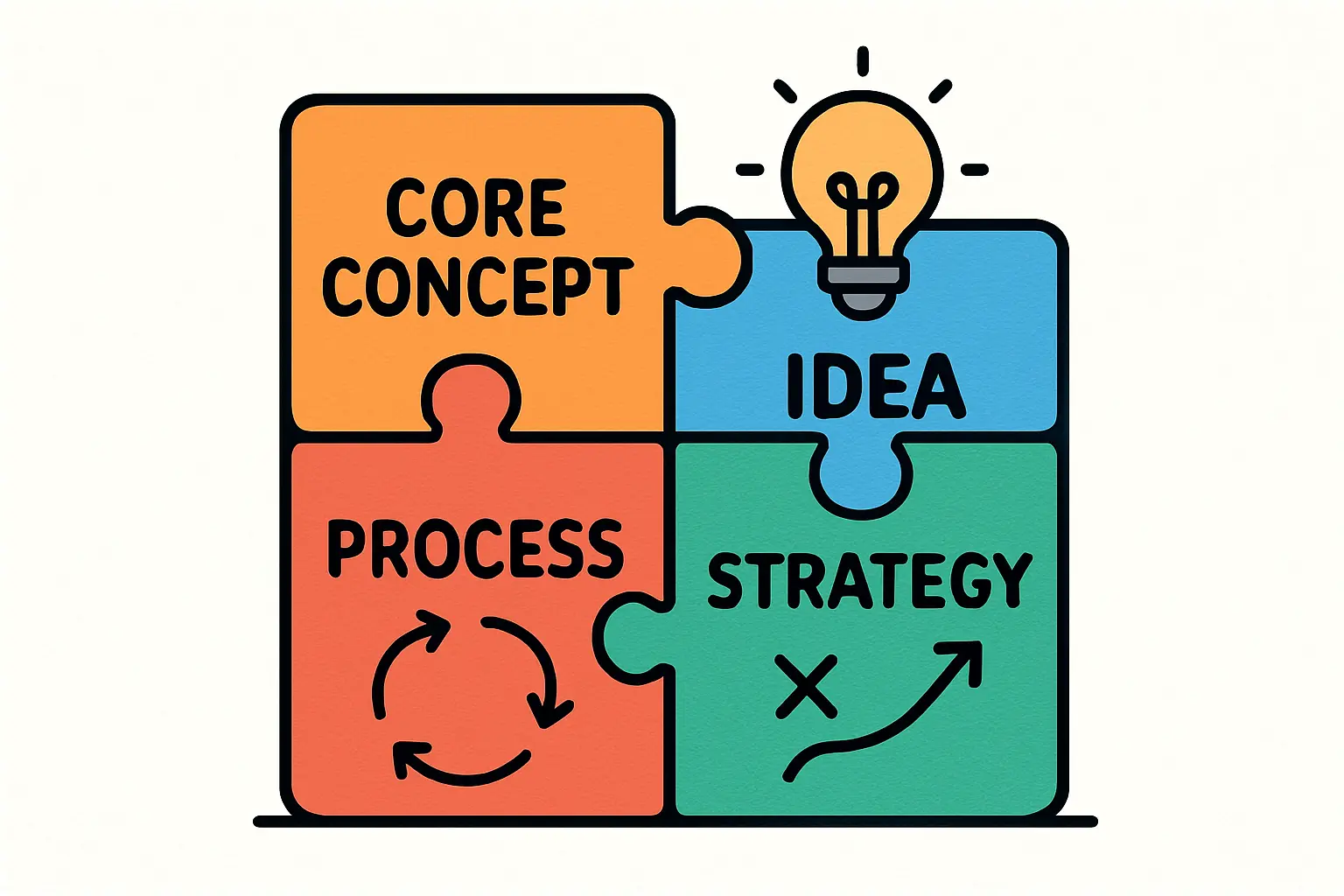
This national commitment underpins a predictable, long-term domestic market for solar modules, a critical advantage for any potential manufacturer. Establishing a local production facility is therefore not speculative; it aligns directly with a funded, government-backed national development plan. The opportunity lies in supplying this internal demand, reducing the country’s import dependency, and positioning a new venture at the heart of the nation’s green transition.
Understanding the Legal Foundation: The Foreign Investment Act
A clear and stable legal framework is paramount for any international investor. In the Maldives, the Foreign Investment Act (Law No. 25/79) is the primary legislation governing foreign-owned enterprises. The act is designed to encourage and protect foreign capital by providing a secure and transparent environment.
Key provisions relevant to a solar manufacturer include:
-
Full Foreign Ownership: The Act permits 100% foreign ownership of businesses in most sectors, including manufacturing. This allows investors to maintain complete control over their operations.
-
Investment Security: The framework’s cornerstone is the ‘Foreign Investment Agreement’ signed between the investor and the government. This agreement legally guarantees the security of the investment and provides explicit protection against nationalization or expropriation.
-
Clear Process: The government body, Invest Maldives, acts as the central point of contact, streamlining the application and approval process. This single-window approach simplifies the administrative steps involved in starting a solar module manufacturing business.
This robust legal structure provides the certainty required for a significant capital investment like a solar panel factory.
Key Financial Incentives for Solar Investors
To accelerate its renewable energy goals, the Maldivian government offers a powerful package of financial incentives designed to reduce initial capital expenditure and improve the long-term profitability of solar manufacturing projects.
Tax Holidays and Exemptions
One of the most attractive incentives is a complete exemption from corporate income tax for a specified period. The duration of this ‘tax holiday’ is typically linked to the scale of the investment, often ranging from 5 to 10 years for substantial manufacturing projects.
During this period, investors are also exempt from the Goods and Services Tax (GST) on their profits and dividends. This allows for a faster return on investment and the ability to reinvest capital back into the business.
Import Duty Concessions
The cost of machinery and raw materials is a major financial factor in any manufacturing operation. The Maldivian framework addresses this by providing a full exemption from import duties and other tariffs on the following:
-
Capital Machinery and Equipment: All capital machinery and equipment required to set up the production line can be imported duty-free. This includes everything from cell stringers and laminators to testing equipment.
-
Raw Materials: Essential components and materials needed for the manufacturing process are also exempt, reducing the ongoing operational costs of the factory.
These provisions directly lower the barrier to entry and significantly improve the financial viability of establishing a local production facility.
Land and Infrastructure Support
In a country where land is a scarce resource, the government plays an active role in facilitating access for priority projects. Approved foreign investors can be granted long-term leases on land for their factories, with terms extending up to 50 years. This provides the operational stability necessary for long-term planning and expansion. Furthermore, the government often helps provide the necessary utilities and infrastructure to designated industrial zones.
Navigating Government Support Programs
Beyond direct financial incentives, the government has created a supportive ecosystem to ensure the success of renewable energy projects.
The ARISE Project and Market Creation
The World Bank-funded ARISE project is more than just a policy goal; it is a mechanism for market creation. The project includes financing for grid modernization and the development of energy storage solutions, which are essential for integrating variable renewable sources like solar. This demonstrates a holistic approach, ensuring that solar panels produced locally can be integrated effectively into the national grid. For a manufacturer, this government-led infrastructure development de-risks the investment by helping guarantee a stable and growing end-market.
Practical Considerations for a Maldivian Venture
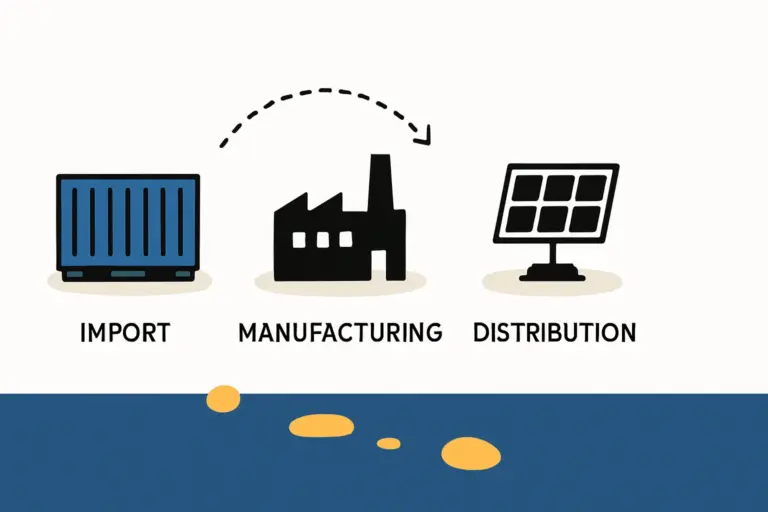
Based on experience from turnkey projects in various international markets, setting up a factory in an archipelago nation presents unique logistical considerations. The comprehensive import duty exemptions offered by the Maldives directly address one of the primary challenges: the cost of shipping and importing equipment and materials.
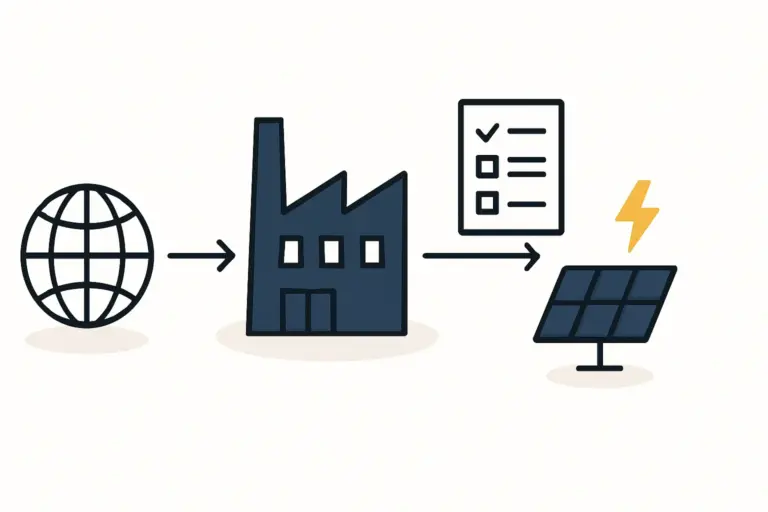
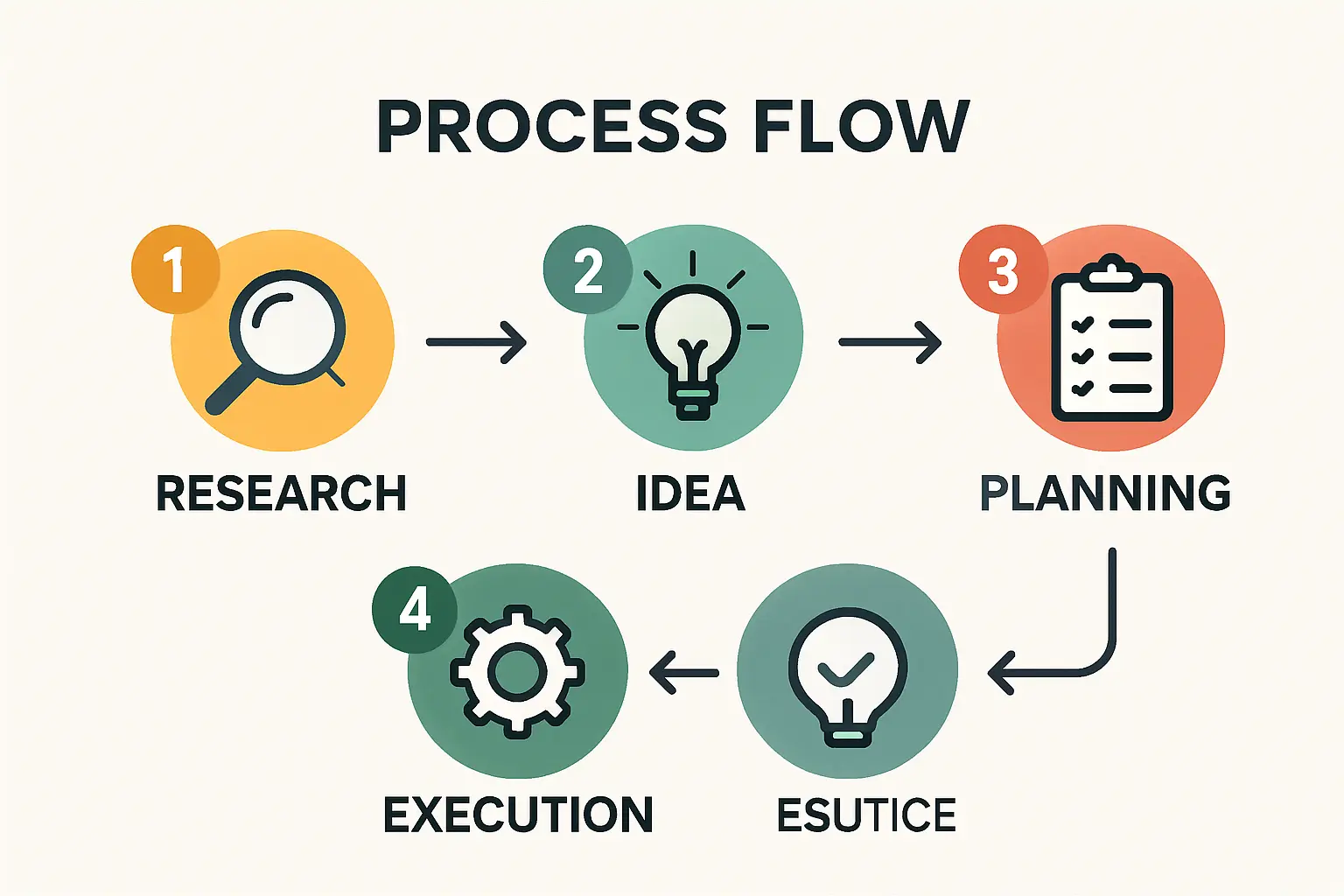
However, successful project execution also requires careful planning of the supply chain and may benefit from establishing local partnerships. The support offered by Invest Maldives can be instrumental in navigating these local operational dynamics. A structured approach can help entrepreneurs prepare for these specific challenges.

Frequently Asked Questions (FAQ)
-
Is 100% foreign ownership of a solar manufacturing plant permitted in the Maldives?
Yes, the Foreign Investment Act allows for 100% foreign ownership of manufacturing facilities, providing investors with full operational control. -
What is the typical duration of the tax holiday for a new manufacturing investment?
While subject to negotiation based on the investment size, tax holidays for significant industrial projects typically range from five to ten years. -
Are there restrictions on repatriating profits from the Maldives?
The legal framework permits foreign investors to repatriate profits, dividends, and capital gains through authorized banks, ensuring the free flow of capital. -
How does the government facilitate the process of obtaining land for a factory?
The government, through Invest Maldives, assists approved projects by identifying suitable locations and offering long-term leases, often up to 50 years, to provide long-term security. -
Does the government provide a guarantee to purchase the solar modules produced locally?
While there is no blanket purchase guarantee, the government’s ARISE project and national energy tenders create a strong and predictable domestic demand pipeline, which local manufacturers are well-positioned to supply.
Conclusion: A Strategic Alignment of Policy and Opportunity
The Maldives offers more than just favorable policies; it represents a strategic alignment of national need, government support, and market opportunity. A robust legal framework, significant tax and customs incentives, and a clear, government-driven demand for solar energy come together to create a uniquely attractive environment for establishing a solar module manufacturing facility.
For any interested investor, the next logical step is a deeper analysis of the operational requirements. Properly planning a solar factory is the critical phase that transforms this strategic opportunity into a successful enterprise.