Navigating Industrial Permits for a Solar Factory in San Marino
An investor may have a comprehensive business plan, secured funding, and identified key technology partners for a new solar module factory. Yet, one of the most critical and often underestimated hurdles isn’t technological, but lies in the local administrative landscape.
Securing the necessary permits and licenses can be a complex maze. A misstep in this phase can lead to significant delays and budget overruns before the first machine is ever installed. This guide outlines the step-by-step process for obtaining the industrial permits and licenses required to establish and operate a solar module factory in San Marino, offering a clear understanding of the regulatory pathway for business professionals.
Understanding San Marino’s Unique Regulatory Environment
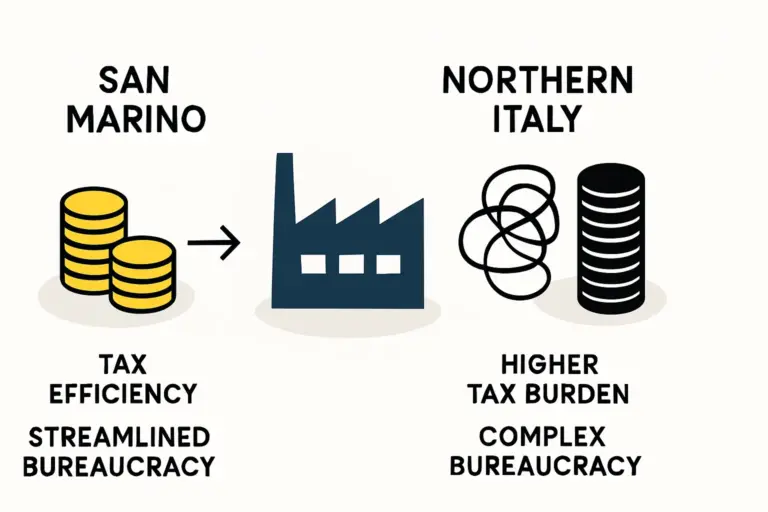
San Marino is a microstate entirely surrounded by Italy. While not a member of the European Union, it has a customs union and close monetary agreements with the EU. This unique position creates a distinct business environment with its own laws, administrative bodies, and procedures that differ from those in neighboring Italy or the wider EU.
For an industrial project like a solar module factory, this means technical and environmental standards may align with European norms, but the application and approval processes are governed exclusively by Sammarinese authorities. Navigating this landscape requires specific, localized knowledge.
The Core Phases of Industrial Approval: A Step-by-Step Approach
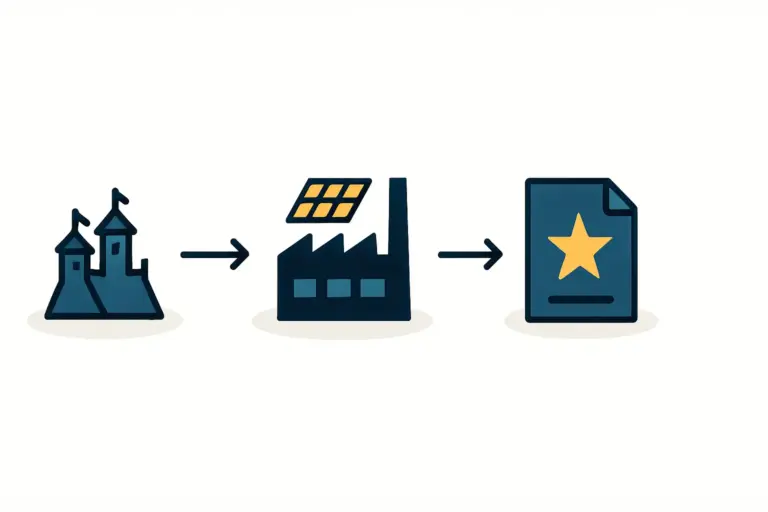
The journey from a business concept to a fully licensed manufacturing facility in San Marino is a structured, multi-phase process. Although specific requirements can vary based on the scale of the operation, the fundamental stages remain consistent.
Phase 1: Corporate Establishment and Preliminary Feasibility
The first legal step is establishing a Sammarinese corporate entity, typically a Società a Responsabilità Limitata (S.r.l.) or a Società per Azioni (S.p.A.). This process is managed through the Chamber of Commerce (Camera di Commercio) and requires submitting founding documents and appointing a legal representative.
At the same time, it’s critical to conduct preliminary feasibility checks for the proposed factory site. This involves:
- Zoning Verification: Confirming the selected land is zoned for industrial use (zona industriale).
- Utility Assessment: Ensuring adequate access to electricity, water, and other essential utilities for production.
- Logistical Analysis: Evaluating road access for transporting raw materials and finished modules.
For more information, investors can review a broader guide on how to start a solar factory.
Phase 2: The Industrial Operating License (Licenza di Esercizio)
This is the central permit required to operate an industrial facility. The application is submitted to the Ufficio Industria, Artigianato e Commercio (Office of Industry, Crafts, and Commerce). The application package is comprehensive and typically includes a detailed business plan, technical specifications of the production line, a factory floor layout, information on employees, and proof of financial viability.
A common challenge, based on experience from J.v.G. turnkey projects, is underestimating the level of detail required in the technical documentation. The authorities need to see a clear, professional plan that outlines production capacity, technology, and operational workflows.
Phase 3: Environmental and Safety Authorizations
For any manufacturing plant, environmental and safety compliance is non-negotiable. This phase runs parallel to the industrial license application and is handled by different government departments.
- Environmental Impact Assessment (EIA): Depending on the factory’s planned output and processes, a formal EIA may be required. This assessment evaluates potential impacts on air quality, water resources, and waste generation. The plan must outline mitigation measures, such as water recycling systems and responsible disposal of chemical waste like EVA trim.
- Fire Safety Certification: The local fire department (Corpo della Gendarmeria – Sezione Antincendio) must approve the factory’s design, emergency exits, and fire suppression systems.
- Workplace Health and Safety Plan: A plan detailing measures to ensure worker safety, in line with local regulations, must be submitted to the relevant labor authority.
Phase 4: Building and Construction Permits
Once industrial and environmental approvals are granted in principle, the focus shifts to the physical facility. Constructing a new building or making significant modifications to an existing one requires a building permit (Permesso di Costruire) from the relevant territorial planning office.
This process involves submitting detailed architectural and engineering drawings for approval. This review ensures the structure complies with local building codes, seismic standards, and the specifications outlined in the industrial and environmental plans. The specific factory building requirements for a solar module line, such as floor load capacity and ceiling height, must be incorporated into these plans from the outset.
Common Challenges and Considerations
- Timeline Management: The entire permitting process, from corporate registration to final operational approval, can take 9 to 18 months. This timeline must be factored into the overall project plan, as the Environmental Impact Assessment is often the longest part of the process.
- Local Expertise: Engaging a local legal advisor and a technical consultant familiar with Sammarinese industrial regulations is a necessity. They can ensure documents are prepared correctly, anticipate regulatory questions, and streamline communication with government offices.
- Investment Requirements: The costs of licenses, legal fees, and mandatory studies are a key part of the initial budget. These administrative expenses must be factored into any realistic assessment of the investment requirements for a solar factory.
Frequently Asked Questions (FAQ)
Is knowledge of Italian necessary for the application process?
While not legally mandatory for the investor, all official documentation must be submitted in Italian, and communications with government bodies take place in Italian. Therefore, having a local, Italian-speaking representative or legal counsel is essential to ensure the process runs smoothly.
What is the primary role of the San Marino Chamber of Commerce?
The Chamber of Commerce is the initial point of contact. It manages the business registry, formalizes the company’s creation, and provides initial guidance on the available legal structures. It is the gateway to establishing a formal business presence in the republic.
Are there specific economic zones designated for industrial projects?
Yes, San Marino has designated industrial zones, such as in Gualdicciolo and Faetano, where infrastructure is tailored for manufacturing. Locating a factory within one of these zones can streamline the approval process for utilities and logistics.
How does San Marino’s customs union with the EU impact a solar factory?
The customs union is a significant advantage. It allows for the tariff-free movement of goods, including production machinery from Germany or raw materials from other EU countries, into San Marino. Finished solar modules can also be exported to the EU market without customs duties, making San Marino a strategic location for serving European customers.

Next Steps in Your Planning Journey
Securing the necessary permits is a foundational milestone in establishing a solar module factory. The process demands meticulous planning, professional documentation, and expert local guidance. Understanding these steps helps investors create a more realistic project timeline and budget, turning a complex regulatory hurdle into a manageable part of their business strategy.
With a clear picture of this administrative framework, you can move forward to delve deeper into the operational and financial planning for your facility.