When planning a solar panel manufacturing plant, an investor’s focus is typically on machinery, technology, and market demand. In a jurisdiction like the Kingdom of Tonga, however, the first and most critical hurdles are securing land and navigating the local permitting process.
While the nation’s ambitious renewable energy goals present a clear opportunity, the path to breaking ground involves legal and administrative requirements that differ significantly from those in other regions. Successfully launching a manufacturing operation in Tonga isn’t about speed; it’s about methodical preparation.
This guide provides a structured overview of the land acquisition and permitting landscape, tailored for business professionals new to both the solar industry and the Tongan operational environment.
Understanding Tonga’s Unique Land Tenure System
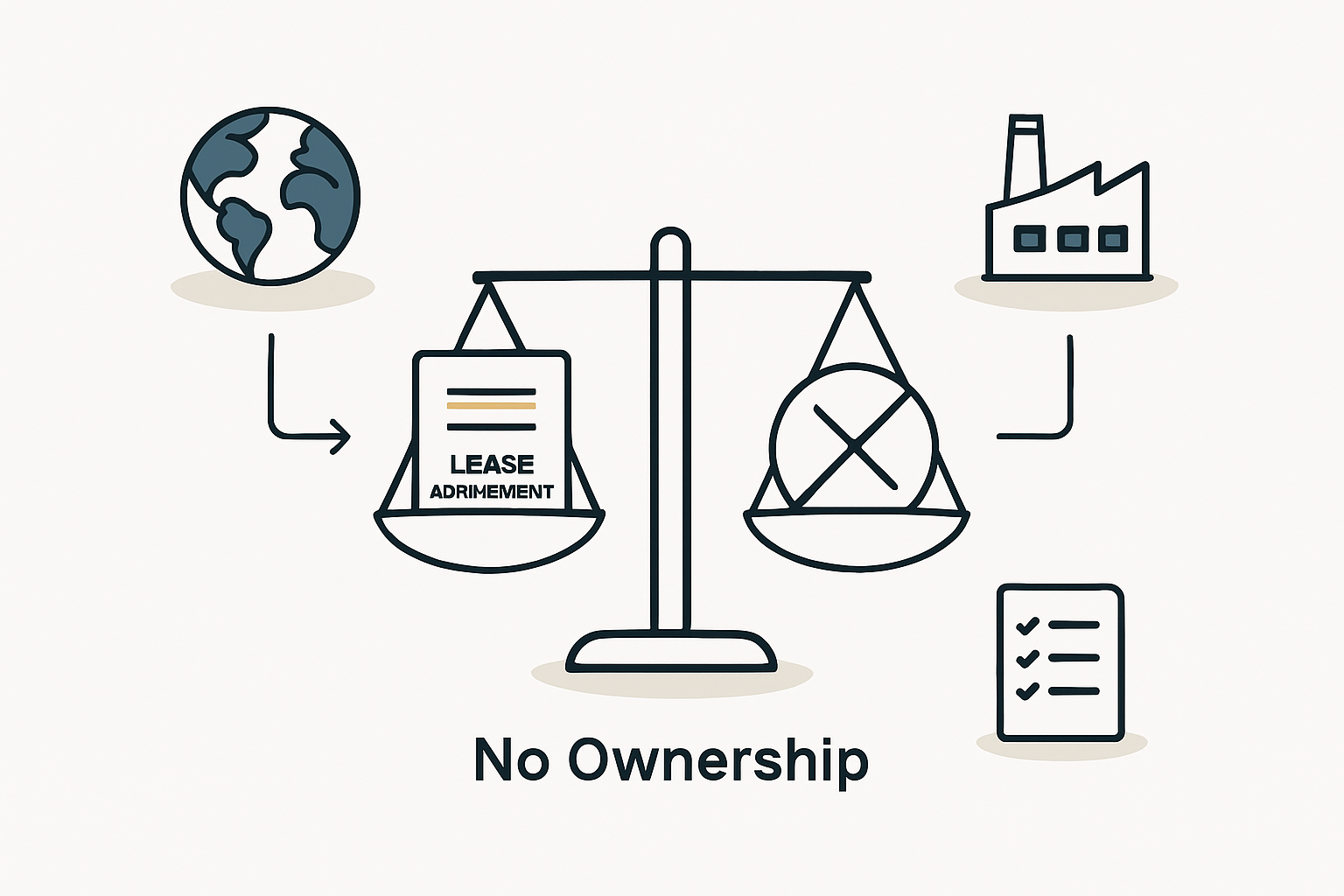
The most important concept for any investor to grasp is that private land ownership, as understood in many Western countries, does not exist in Tonga. All land is ultimately the property of the Crown. Foreign entities cannot purchase land; instead, access is secured through long-term leases.
This system, administered by the Ministry of Lands and Natural Resources, is rooted in the 1875 Constitution. While this may seem like a barrier, it is a well-established framework. The key is to understand the process rather than challenge it. For a prospective manufacturer, this means identifying land available for commercial lease and engaging with the appropriate authorities or registered leaseholders.
Experience from projects in similar island nations shows that understanding these cultural and legal nuances from the outset is critical for avoiding significant project delays. A well-planned factory requires sufficient space for production lines, storage, and administration. A detailed analysis of your operational needs is the first step before beginning the search for a suitable site. Our guide on solar panel manufacturing plant layout and design provides a foundational understanding of these requirements.
Step 1: Identifying and Securing Industrial Land
Securing a land lease is a formal, multi-stage procedure requiring both patience and attention to detail.
The Leasing Process for Foreign Investors
For a foreign investor, the process generally involves these key stages:
-
Site Identification: Locating a suitable parcel of land zoned for industrial or commercial use. The Small Industries Centre in Nuku’alofa is often a primary area of focus.
-
Due Diligence: Conducting a title search at the Ministry of Lands and Natural Resources to confirm the registered leaseholder and ensure there are no existing mortgages or legal encumbrances on the property.
Ready to make big Profits?
The solar Industry is Booming
WE HELP NEWCOMERS to the solar industry start their own solar module production line. Customers can make BIG PROFITS by selling modules and finding investors, without wasting money and time on things they don't need!
-
Negotiation: Negotiating an agreement with the current leaseholder. If the land is held directly by the government, negotiations are with the relevant ministry.
-
Application for Lease Transfer or New Lease: Submitting a formal application, along with a survey plan prepared by a registered surveyor, to the Ministry of Lands. The Cabinet must approve the lease for it to be legally binding.
-
Registration: Once approved, registering the lease to provide the investor with secure, long-term tenure, often for periods of up to 99 years.
A typical 20–50 MW solar module assembly plant requires approximately 3,000 to 5,000 square meters of building space, plus additional area for logistics and storage. This physical footprint is a key factor when evaluating potential sites.
Key Considerations for Site Selection
Beyond the legal process, practical considerations are paramount:
-
Proximity to Port: The Port of Nukuʻalofa will be the entry point for all imported raw materials and the exit point for finished modules. Proximity minimizes transport costs and logistical complexity. In a location like Tonga, being near the main port is not just a logistical advantage; it is a fundamental cost driver for the entire operation.
-
Utility Access: Reliable access to the power grid, water supply, and telecommunications is essential.
-
Topography and Ground Conditions: The land must be suitable for industrial construction without requiring extensive and costly earthworks.
Step 2: Navigating the Permitting and Approval Labyrinth
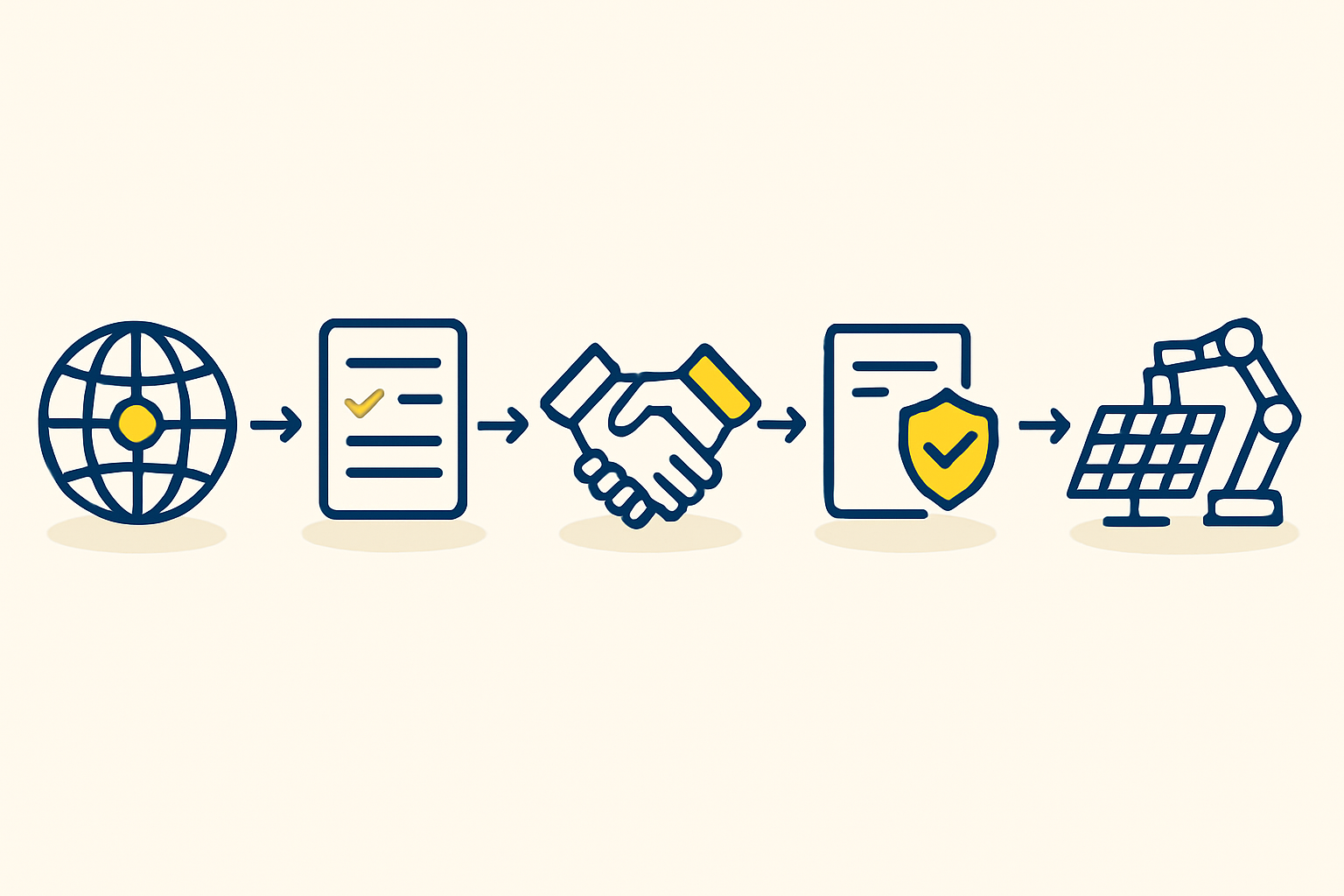
With a site secured, the next phase involves obtaining the necessary permits to build and operate the factory. This process is managed by several government ministries and requires a systematic approach.
The Foreign Investment Certificate
Before most other applications can proceed, a foreign investor must first obtain a Foreign Investment Certificate from the Ministry of Trade and Economic Development. This certificate confirms that the proposed business activity is permissible under Tonga’s foreign investment regulations.
The Environmental Impact Assessment (EIA)
Manufacturing activities require an Environmental Impact Assessment (EIA). This critical step is managed by the Ministry of Meteorology, Energy, Information, Disaster Management, Environment, Climate Change and Communications (MEIDECC).
The EIA process involves:
-
Submitting a Detailed Project Proposal: This document outlines the factory’s scope, manufacturing processes, potential waste streams, and mitigation measures.
-
Environmental Scoping: The ministry determines the key environmental issues to be addressed in the full EIA report.
-
Public Consultation: For larger projects, feedback may be sought from the local community.
-
Final Approval: MEIDECC issues an approval, often with specific conditions that the operation must adhere to.
Experience setting up turnkey lines globally highlights that the EIA is a stage where projects often face unexpected delays. A thorough, well-documented submission that proactively addresses potential environmental concerns is essential for a smoother approval.
Building Permits and Construction Approval
Once the EIA is approved, the investor can apply for a building permit from the Ministry of Infrastructure. This requires submitting detailed architectural and structural engineering plans that comply with Tonga’s building codes and are certified by a registered engineer. Only after this permit is granted can construction officially begin.
Common Challenges and Strategic Solutions
Investors should anticipate potential challenges and plan accordingly.
-
Challenge: Bureaucratic Delays. Approval timelines can be longer than anticipated.
Solution: Engage a reputable local consultant or legal advisor early in the process. Their familiarity with procedures and personnel can be invaluable. -
Challenge: Infrastructure Limitations. The reliability of the power grid or water supply may not meet the demands of an industrial operation.
Solution: Incorporate the cost of backup power generation and water storage systems into the initial financial projections. These considerations are a key part of estimating the total investment costs for a solar module factory. -
Challenge: Land Availability. Finding a suitable, unencumbered plot of land in a prime location can be difficult.
Solution: Begin the search process early and consider partnering with a local Tongan entity that may already have access to suitable land.

Frequently Asked Questions (FAQ)
Can a foreign company own land in Tonga?
No, foreign individuals or companies cannot own land. Business operations are conducted on land secured through long-term leases, which provide secure tenure for up to 99 years.
How long does the entire land and permitting process typically take?
A realistic timeframe, from site identification to receiving a building permit, is 9 to 18 months. This can vary significantly based on project complexity, the quality of applications submitted, and the workloads of government ministries.
Is a local partner required to start a business in Tonga?
While not legally mandatory for all business structures, having a trusted local partner is highly recommended. A local partner can be invaluable for handling land negotiations, government relations, and local customs, significantly smoothing the setup process.
What government support is available for renewable energy projects?
The Tongan government is actively promoting renewable energy to reduce its reliance on imported fossil fuels, as outlined in its Strategic Development Framework. While specific tax incentives or grants can change, the Ministry of Trade and Economic Development is the primary contact for information on current policies supporting investment in the renewables sector.
Conclusion: Laying a Solid Foundation for Success
Establishing a solar module factory in Tonga offers the chance to contribute to the nation’s sustainable development goals while building a strategic manufacturing base in the Pacific. The success of such an enterprise, however, is built not on machinery, but on the groundwork laid long before the first container arrives.
A thorough understanding of Tonga’s land tenure system, a patient and methodical approach to permitting, and a deep respect for local laws and customs form the true foundation of the project. With these foundational aspects in place, the focus can shift to the overall business setup. For a comprehensive overview, explore the guide on how to start a solar panel manufacturing business.