Starting a solar module factory is an investment in a cleaner energy future. For this investment to be truly sustainable, it must account for the entire lifecycle of its products—including waste from manufacturing and at the end of a panel’s service life.
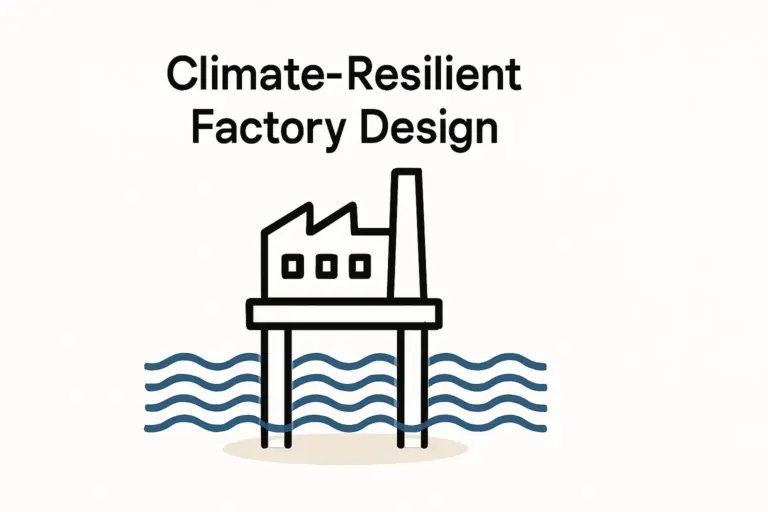
This challenge is magnified in unique environments like Tuvalu, where land is scarce and ecosystems are exceptionally fragile.
An entrepreneur might see the vast potential of solar energy but overlook the critical importance of a robust waste management plan. In a small island developing state, this oversight is not just a business risk; it is a direct threat to the very environment the business aims to support. A well-designed protocol is therefore essential to gain regulatory approval and achieve long-term operational success.
The Unique Environmental Context of Tuvalu
Operating a manufacturing facility in an atoll nation like Tuvalu presents challenges and responsibilities that are fundamentally different from those in continental locations. The country’s National Waste Management Strategy (2017-2026) underscores this reality: land for landfills is extremely limited, and the marine environment is both a vital economic resource and a delicate ecosystem vulnerable to pollution.
For any industrial project, this context means that traditional ‘dispose and forget’ models are simply not viable. Regulatory bodies and local communities will rightly demand a plan that aligns with national goals, which heavily emphasize the ‘3Rs’—Reduce, Reuse, and Recycle. Failure to present a credible strategy can halt a project before it ever begins.
Deconstructing Solar Manufacturing Waste
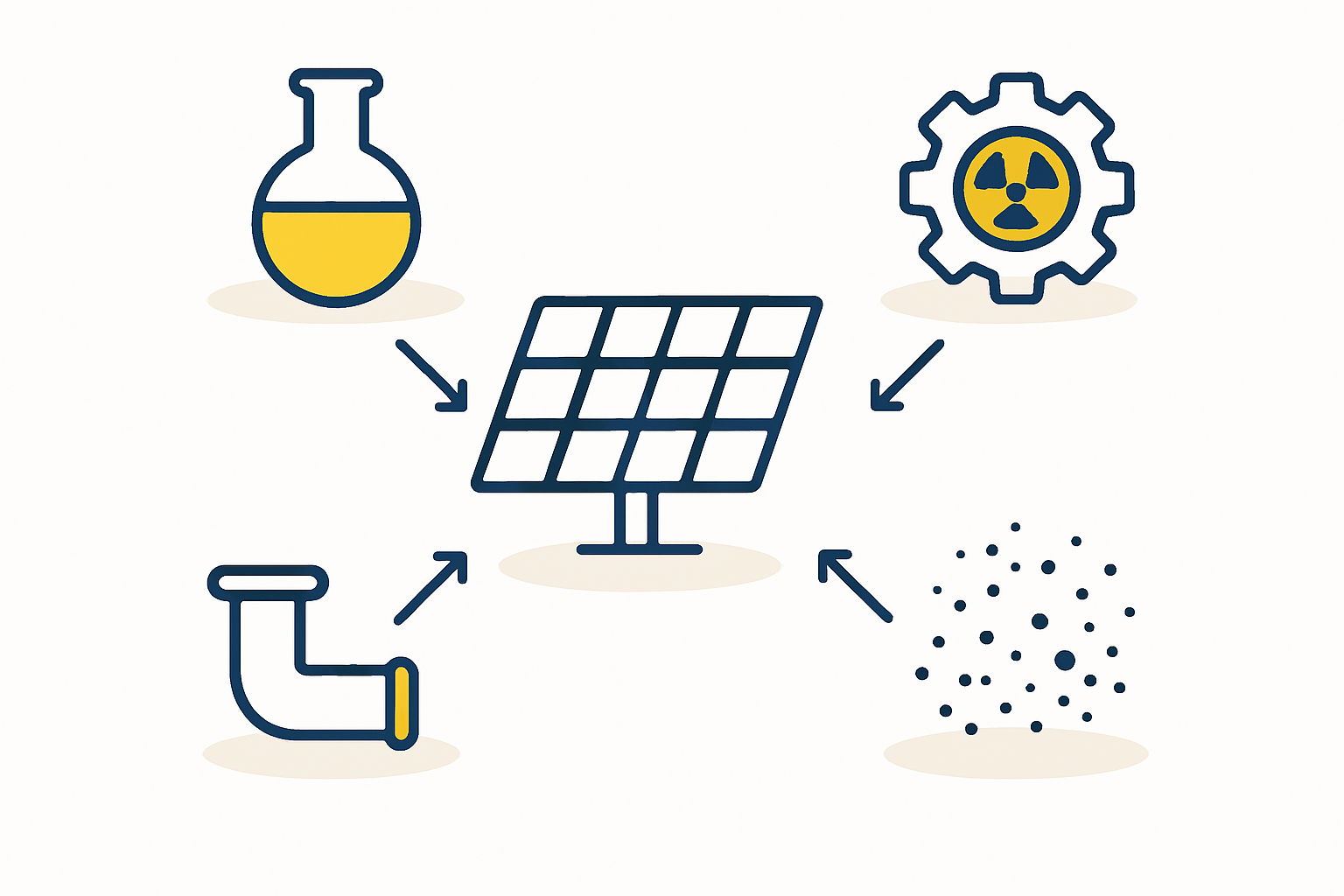
Effective waste management begins with understanding its sources and composition. In a solar module plant, waste is generated at two primary stages: during the production process and at the end of the product’s life.
Production Byproducts and Material Off-Cuts
Even the most efficient facilities generate byproducts during manufacturing. These can include:
- Silicon Wafers: Broken or rejected solar cells.
- Glass and Backsheets: Off-cuts from trimming panels to size.
- Encapsulant and Sealants: Cured excess material from the lamination process.
- Consumables: Packaging materials, cleaning solvents, and used personal protective equipment.
Experience from J.v.G. turnkey projects shows that modern production line design can significantly minimize this initial waste. For example, using advanced laser cell cutting instead of traditional mechanical scribing reduces micro-cracks and breakage, leading to higher yields and less silicon waste. Careful material handling protocols are also key to reducing accidental damage.
End-of-Life (EoL) Panel Management
A solar panel has a lifespan of 25-30 years. A long-term plan for these EoL panels is a critical component of any sustainable business model. While often categorized as e-waste, solar panels are a complex assembly of valuable and potentially hazardous materials.
Ready to make big Profits?
The solar Industry is Booming
WE HELP NEWCOMERS to the solar industry start their own solar module production line. Customers can make BIG PROFITS by selling modules and finding investors, without wasting money and time on things they don't need!
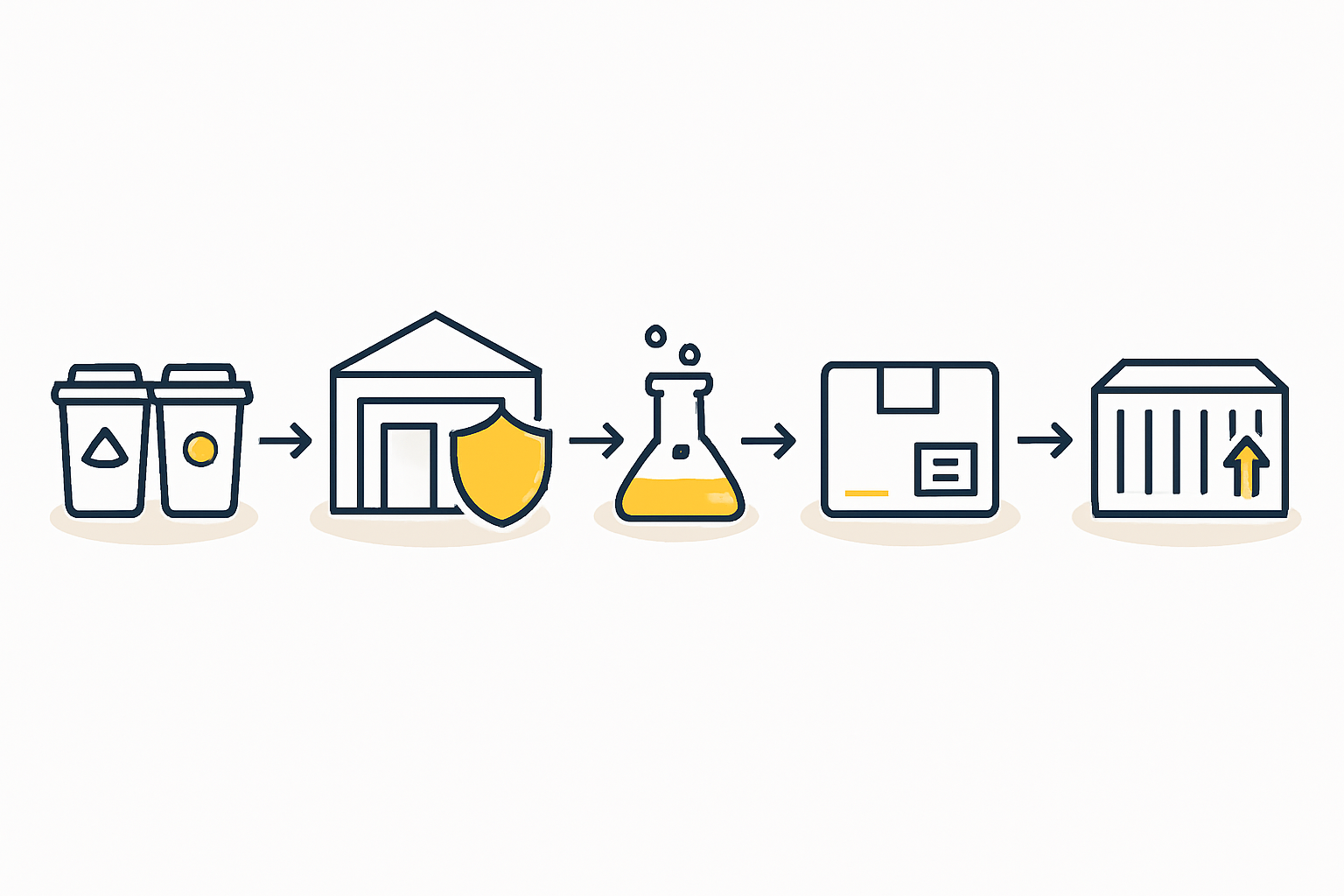
If disposed of improperly, materials like lead and cadmium can pose an environmental risk. Conversely, these same panels contain valuable resources—such as high-purity silicon, silver, copper, and aluminum—that can be recovered. A forward-thinking business plan views these EoL panels not as waste, but as a future resource.
A Framework for Responsible Waste Management
A successful waste management strategy moves beyond simple disposal to embrace a more integrated, circular approach—one that aligns with both global best practices and the specific priorities of environmentally sensitive regions.
Applying the 3Rs: Reduce, Reuse, Recycle
The principles of Reduce, Reuse, and Recycle provide a clear, hierarchical framework for managing industrial byproducts:
-
Reduce: The highest priority is to minimize waste generation at the source. This is achieved through efficient machinery, optimized processes, and rigorous quality control to limit defective products.
-
Reuse: Where possible, materials should be repurposed. For example, slightly blemished panels that do not meet top-tier standards could be used for less demanding local applications, such as water pumping or community lighting, if regulations permit.
-
Recycle: Materials that cannot be reused should be processed to recover their valuable components. This requires specialized facilities and processes to separate glass, aluminum, and precious metals from the panel laminate.
Embracing a Circular Economy Model
The ultimate goal is a circular economy: a closed-loop system where the output of one process becomes the input for another. For solar manufacturing, this means designing panels for easier disassembly and establishing channels for material recovery.
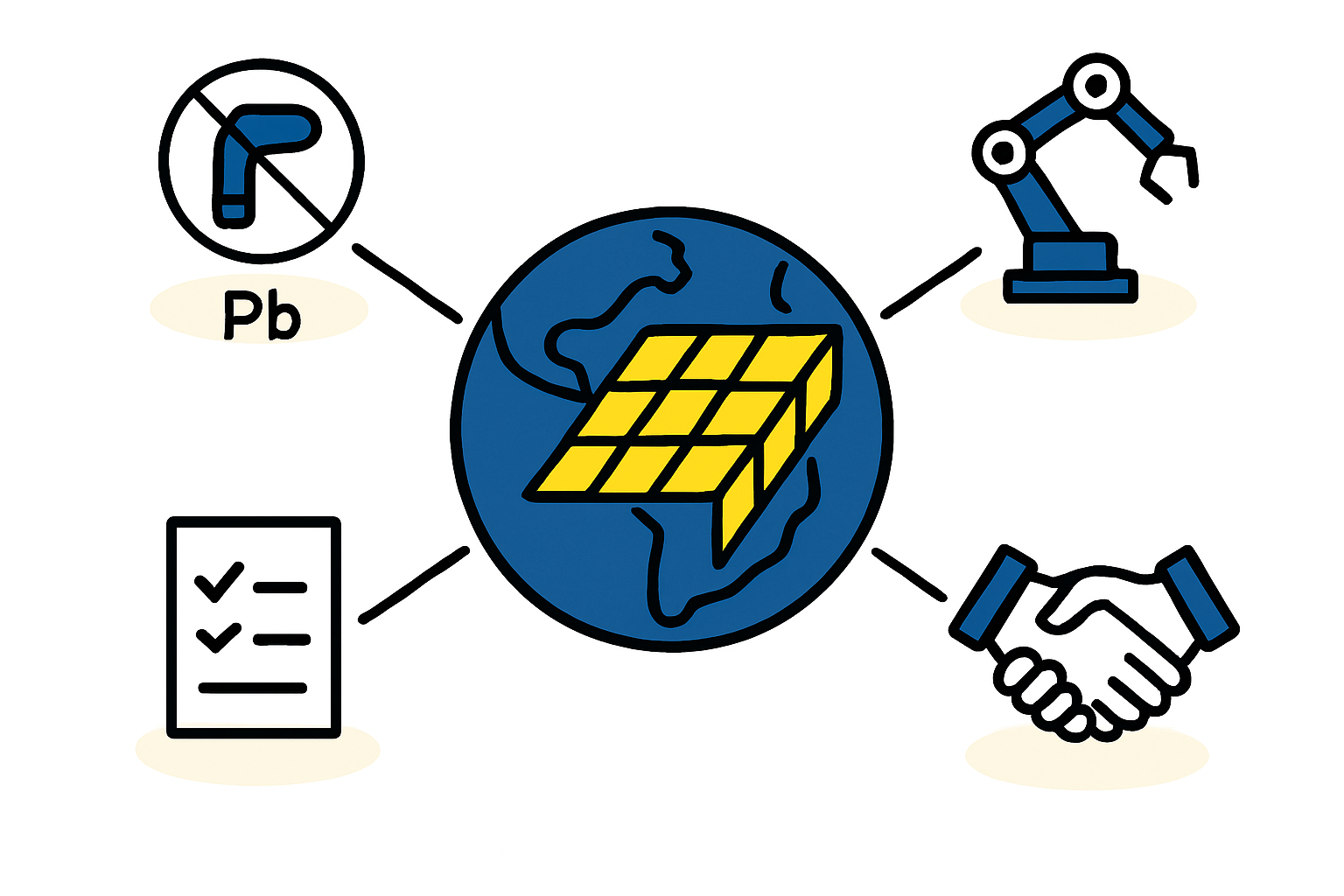
While establishing a full-scale, advanced recycling plant in a small market like Tuvalu is economically challenging, a regional model could be viable. A hypothetical public-private partnership in the Pacific, similar to initiatives discussed in places like Fiji, could centralize EoL panel collection and processing. This approach addresses the logistical hurdles of island nations while creating a viable business case for high-value material recovery. A local facility could focus on the initial, safer stages of disassembly, shipping sorted materials to larger recycling centers.
Integrating Waste Management into Your Business Plan
A comprehensive waste management strategy is not an add-on; it is a core element of the business plan, impacting regulatory approval, financial projections, and community relations.
Regulatory Compliance and Social License
A detailed plan for handling production and EoL waste is non-negotiable for securing environmental permits. It demonstrates corporate responsibility and helps earn the ‘social license’ to operate from the local community. This plan should also align with the standards required for international solar module certification, which increasingly considers the environmental footprint of the manufacturing process.
Financial Considerations
While setting up waste management systems involves an upfront cost, it should be factored into the overall investment requirements for a solar factory. These costs can be offset by several factors:
- Reduced Disposal Fees: Minimizing waste lowers landfill costs.
- Revenue from Recycled Materials: Selling recovered commodities like aluminum and silver can create a new revenue stream.
- Operational Efficiency: The same processes that reduce waste often drive higher material yields and a more profitable operation.
Investing in a well-designed turnkey solar manufacturing line that is optimized for material efficiency is a highly effective way to control these costs from day one.
Frequently Asked Questions (FAQ)
What are the main types of waste in a solar factory?
Waste can be categorized into production waste (broken cells, material off-cuts, chemicals) and end-of-life waste (decommissioned solar panels). Both require distinct management plans.
Is recycling solar panels profitable?
Profitability depends on the scale of operation, the recycling technology used, and the market value of recovered materials (especially silver and copper). While challenging on a small scale, regional collection and processing models can improve economic viability.
How does waste management differ in an island nation versus a continental location?
The primary differences are the lack of landfill space, heightened ecological sensitivity, and greater logistical complexity for transporting materials. This makes source reduction and local reuse/recycling strategies far more critical.
What is ‘Extended Producer Responsibility’ (EPR)?
EPR is a policy approach where a manufacturer assumes significant responsibility—financial and/or physical—for the treatment or disposal of post-consumer products. For a solar manufacturer, this could mean an obligation to finance or manage a take-back and recycling program for old panels.
Conclusion: Planning for a Sustainable Legacy
Building a solar panel factory in a unique and precious environment like Tuvalu is about more than manufacturing—it’s about establishing a sustainable legacy. A proactive and comprehensive waste management plan is the foundation of that legacy. It transforms a potential liability into an opportunity to demonstrate environmental leadership, build strong community relationships, and create a truly circular business model that benefits both the economy and the ecosystem. For any entrepreneur entering this field, addressing this challenge thoughtfully is the first step toward long-term success.