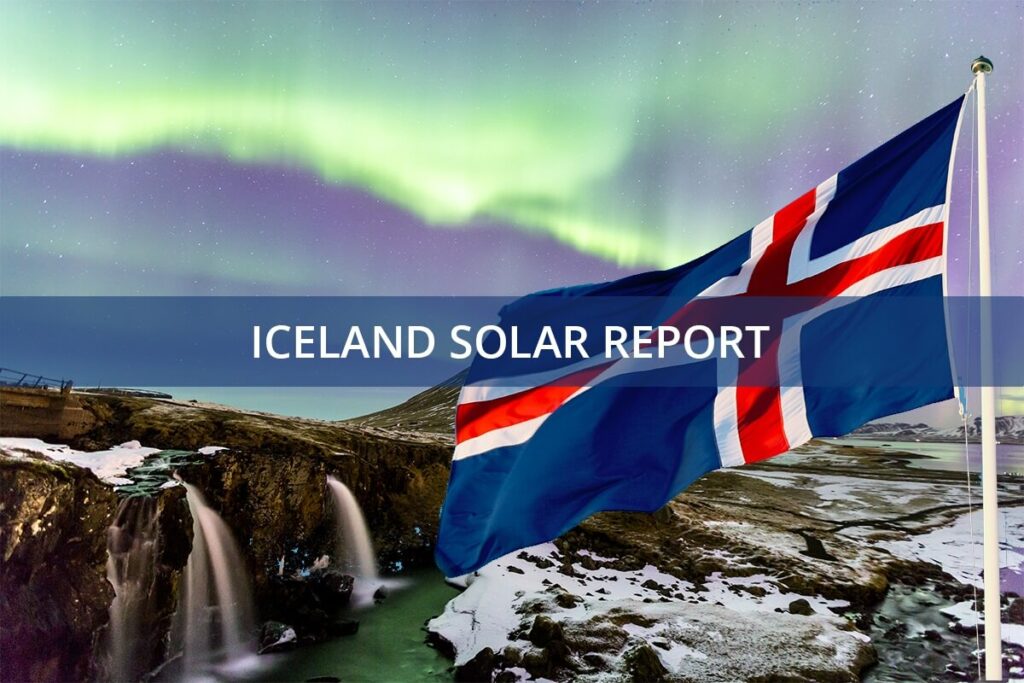
Iceland’s National Energy Authority (Orkustofnun) is advancing the nation’s renewable energy frontier by offering targeted subsidies for the installation of solar panel systems. The initiative specifically aims to support Icelanders in remote areas who are disconnected from the national power grid, including isolated farms and island communities like Grímsey and Flatey that often depend on costly diesel generators.
Bridging the Energy Gap with Iceland Subsidises Solar Panel Installation Costs
While Iceland is a world leader in geothermal and hydropower, a segment of its population remains outside the reach of the national grid, facing higher electricity rates and energy insecurity. To address this, Orkustofnun has unveiled a grant program designed to bring sustainable power to these underserved areas. Applications are now being accepted through the authority’s service portal until August 31st.
The program prioritizes funding for off-grid or diesel-dependent projects, reflecting high demand. A recent allocation round was highly competitive, receiving 90 applications that exceeded the available budget, underscoring the urgent need for such support. According to Orkustofnun, the benefits for users are threefold: “the user saves on the purchase of electricity, its transportation, and taxes.” This structure provides a powerful financial incentive for transitioning to cleaner energy.
Solar’s Strategic Role as Iceland Subsidises Solar Panel Installation Costs
Despite its high latitude and lower solar insolation compared to mainland Europe, Iceland is strategically incorporating solar energy into its portfolio. While large-scale solar farms feeding the national grid are not yet considered feasible, distributed solar panels offer an ideal solution for localised energy needs. This government-backed push aligns with broader Nordic trends where falling costs and policy support are making solar increasingly competitive.
This initiative not only reduces the financial burden and carbon footprint associated with imported diesel fuel but also strengthens Iceland’s overall energy independence. The grant program is a key component of projects like the EU-funded HYBES, which focuses on developing hybrid renewable systems for Arctic communities by integrating solar cells with energy storage solutions. By empowering its most remote citizens with sustainable technology, Iceland reaffirms its commitment to a comprehensive and equitable green transition.
Sources for Iceland Subsidises Solar Panel Installation Costs
- Allocation of solar cell grants from The Energy Centre – Orkustofnun
- Solar facts and trends in the Nordics – RatedPower
- Energy – Government of Iceland
- Solar Cell Grant Program Strengthens Iceland’s Energy Future
- How Iceland is rerouting its climate tech pipeline in the Trump era
- Powering the electricity sector in the face of climate change – OECD