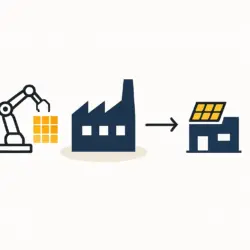
The central government has announced a new solar power project in Belagavi district to modernize energy use and accelerate sustainability. This initiative will integrate solar power into 45 power substations, furthering India’s global commitment to renewable energy.
Belagavi District Empowers Energy Grid with Solar Integration
Growing electricity demand in Belagavi district has prompted the Indian government to turn to clean, eco-friendly solar power—a move that aligns with its broader social and environmental goals.
Under the Solar Power Revolution of PM Kusuma Yojana, solar power will be generated on a large scale to reduce reliance on non-renewable fuels. Installing solar power units at 45 substations across Belagavi district will enhance the nation’s energy security and sustainability.
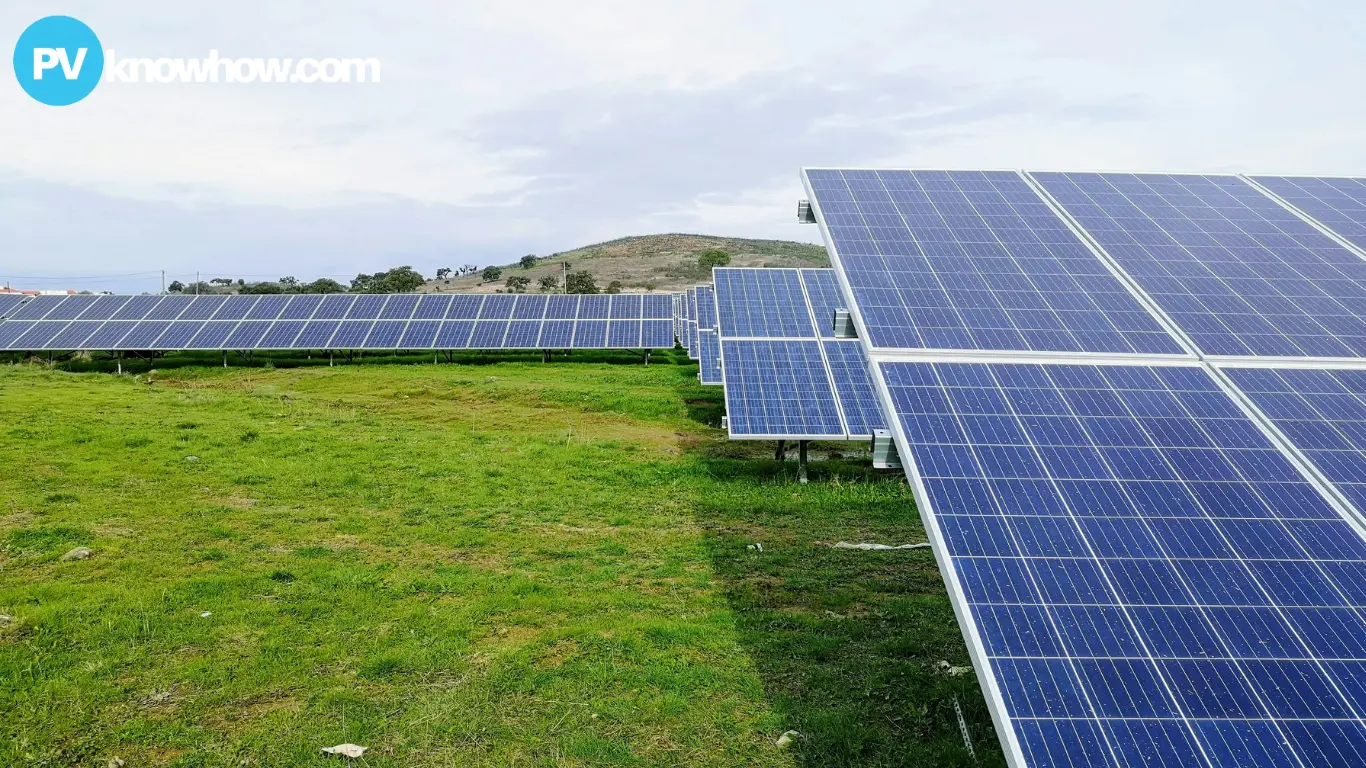
Image: Collected
An initial forty-five substations have been selected for the installation of solar power units, with plans to expand to more locations. This effort will significantly increase solar power generation in Belagavi district, Karnataka, and enhance grid reliability.
Belagavi District’s Solar Expansion: A Catalyst for Change
The expansion of solar power in Belagavi district marks a significant step toward India’s goal of achieving a clean, green energy future. This project is part of the Prime Minister’s Solar Scheme (PM Kusuma Yojana), which aims to generate 153.85 MW of solar power.
Strategically located across Khanapur, Savadatti, Bailhongal, and other taluks, Belagavi district is rapidly emerging as a solar energy hub to meet the region’s growing energy demands.
Praveen Kumar Chikkade, the Superintendent Engineer at Hescom, emphasized the importance of acquiring land through government notification. He also thanked the various agencies and departments for their cooperation in making the project possible.
Chikade explained that land acquisition is currently underway. Initiatives like the Kusuma Yojana are moving forward, and collaborations with organizations like the Karnataka Renewable Energy Development Corporation (KREDL) are deepening. With this momentum, Belagavi district is poised to become a leader in building a cleaner, more stable energy future.
As India’s solar power capacity continues to grow, projects like the one in Belagavi highlight the country’s commitment to becoming a global leader in renewable energy, driven by ambitious targets and innovative deployment strategies.
By transitioning to solar power, Belagavi is not only enhancing its energy self-reliance but also securing a brighter future for generations to come—a clear demonstration of its commitment to sustainable energy and environmental stewardship.
The solar power project in Belagavi is a significant step toward India’s climate change goals and contributes to a more sustainable global future. Each panel installed brings the world closer to a cleaner, greener energy landscape.