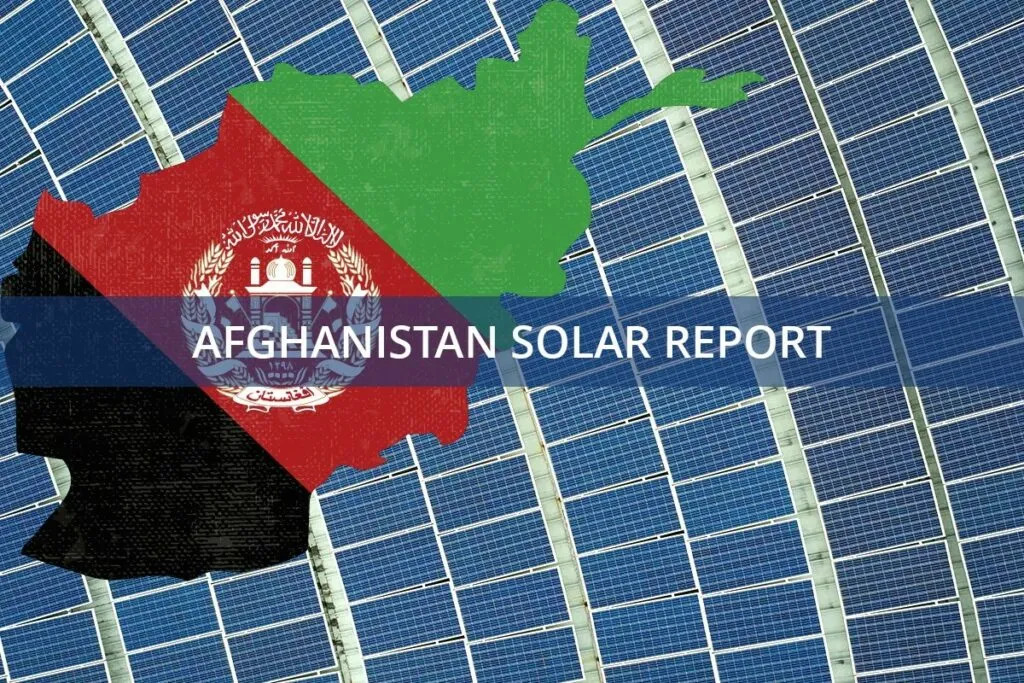
Afghanistan Pursues Energy Independence with Solar Power Initiatives
In a determined push to overcome chronic electricity shortages and reduce its reliance on imported power, Afghanistan is turning its focus to the sky. The nation is embarking on ambitious solar power initiatives, aiming to harness its vast renewable energy potential and pave a path toward energy self-sufficiency.
A National Push for Afghanistan solar power
Leading the charge is Da Afghanistan Breshna Sherkat (DABS), the country’s state-owned utility. DABS has launched an impressive slate of 15 solar power generation projects designed to add a combined capacity of 721 MW to the national grid. This strategic move is a direct response to the severe power deficits that have long plagued the country, with the completion of these projects expected to substantially alleviate the strain on the current energy supply.
Currently, Afghanistan’s power landscape is heavily dependent on its neighbors. DABS manages approximately 750 MW of power, the majority of which is imported. The long-term vision is far more ambitious: achieving full energy independence with a domestic capacity of 4,000 MW. Reaching this target will require significant private investment and international support, but the commitment to local generation is clear.
Tapping into a Natural Advantage for Afghanistan solar power
Afghanistan is uniquely positioned to become a solar powerhouse. The country boasts an incredible solar potential estimated at up to 222,000 MW, thanks to its geography and abundant sunny days throughout the year. This natural advantage provides a solid foundation for building a robust and sustainable domestic energy sector. Officials have prioritized the nationwide expansion of solar energy as the most viable route to achieving self-sufficiency in the near term.
A Model for Success: The Surobi Afghanistan solar power Project
The potential of solar energy in Afghanistan is not just theoretical. A private project in the Surobi district serves as a powerful testament to the viability of renewable energy in the region. Operational for a year, this solar farm utilizes 32,400 solar panels to generate 22.75 MW of clean electricity. This output is enough to power between 15,000 and 18,000 households, demonstrating on a local level the transformative impact of solar initiatives.
The push for solar extends beyond large-scale power plants. The integration of solar technology into other critical infrastructure is also underway. For instance, recent tenders have been issued for the construction of solar-powered water supply systems in provinces like Kandahar and Baghlan, showcasing a holistic approach to leveraging renewable energy for national development.
As Afghanistan continues to pursue these initiatives, solar power stands out as a beacon of hope. By capitalizing on its immense natural resources, the nation is taking crucial steps to build a more resilient, independent, and sustainable energy future for its people.