Agrivoltaics in Nigeria: Less Than 1% of Cropland Could Meet Solar Demand
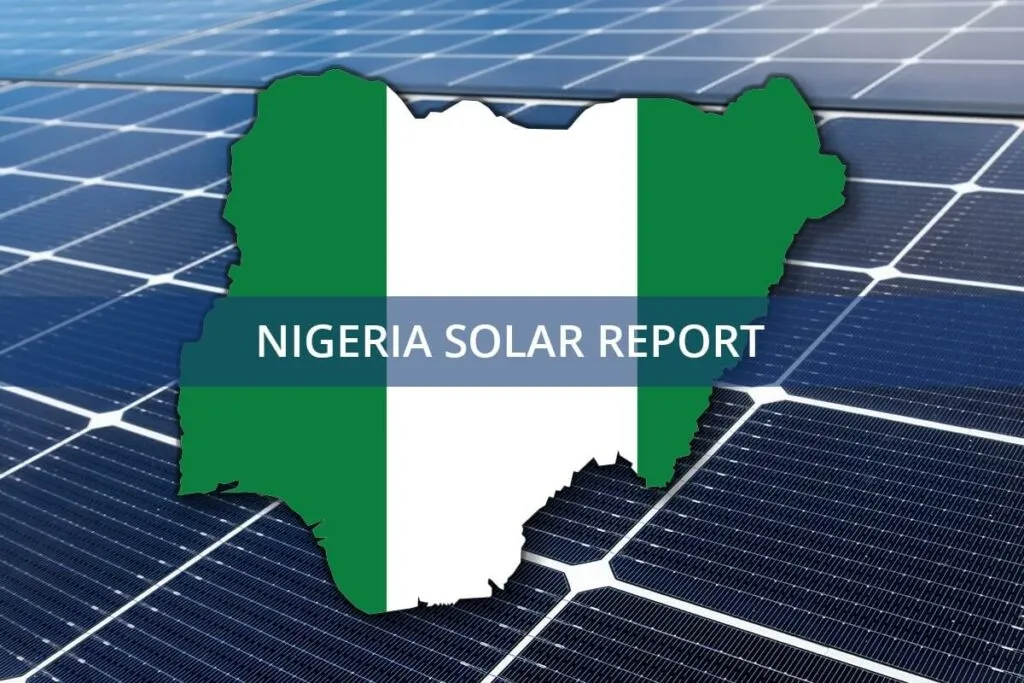
Nigeria, Africa’s most populous nation, stands at a critical juncture. The need to expand energy access for its growing population and power its economy is undeniable, yet this must be balanced with the imperative to maintain and enhance food security. A groundbreaking solution is gaining traction that addresses both challenges simultaneously: agrivoltaics. New research reveals an astonishing potential, suggesting that Nigeria could meet its future solar energy demand by converting less than 1% of its existing cropland into dual-use solar farms.
Agrivoltaics Nigeria Solar: A Landmark Study
A recent assessment has shed light on the immense, untapped potential of combining solar energy generation with agriculture. The study, highlighted in an article by PV Magazine, found that some of Nigeria’s most populous northern states could satisfy their projected 2050 solar energy needs by deploying agrivoltaic systems on a tiny fraction of their agricultural land.
This innovative approach involves strategically placing solar panels on farmland, allowing crops to grow underneath or between the panels. The benefits go far beyond simple land-sharing. This synergy can lead to increased energy production, improved crop yields, and greater resource efficiency—a trifecta of advantages perfectly suited to Nigeria’s development goals.
Why Northern Nigeria is the Agrivoltaic Epicenter
According to the research, northern states like Kano and Katsina are prime locations for agrivoltaic development. The analysis identifies several key factors that make this region an optimal area for investment and implementation:
- High Solar Irradiance: The north benefits from abundant sunlight, making it one of the most productive regions for solar power generation in the country.
- Water-Stressed Cropland: In arid and semi-arid regions, the shade provided by solar panels can reduce water evaporation from the soil and protect crops from excessive heat. This can lead to significant water savings and more stable crop yields, a crucial benefit in water-scarce environments.
- Low Electricity Access: These regions often have limited access to the national grid. Agrivoltaics can provide a decentralized source of clean, reliable power for rural communities, powering homes, farms, and local businesses.
The study quantifies this potential, stating that these northern states could meet their solar targets using less than 1% of current cropland. This finding is a game-changer, demonstrating that a massive scale-up of renewable energy does not have to come at the expense of agricultural land.
A Tale of Two Regions: A Strategic Approach is Key
The potential for agrivoltaics is not uniform across the country. The same study indicates that southern states would need to allocate a significantly larger portion of their cropland—between 5.9% and 18.9%—to achieve similar solar energy targets. This makes large-scale deployment in the south less efficient and potentially more disruptive to local food systems.
This regional disparity underscores the importance of a data-driven, strategic approach to Nigeria’s renewable energy transition. By focusing agrivoltaic projects in the northern regions, policymakers and developers can maximize “co-benefits,” simultaneously addressing energy poverty, water scarcity, and food security.
The Path Forward for Nigeria
The implications of this research are profound. Agrivoltaics offers a tangible pathway for Nigeria to achieve its sustainable development goals without sacrificing one priority for another. It is a solution that builds resilience, empowers rural communities, and paves the way for a clean energy future.
By leveraging its natural solar advantages and focusing on the regions with the highest potential, Nigeria can become a leader in this innovative field. This is more than just an energy strategy; it’s a blueprint for integrated, sustainable development that could serve as a model for nations around the world.
For more detailed information on the study, you can refer to the original coverage: Assessment of Nigeria’s agrivoltaic potential identifies northern states as optimal areas.