China Honduras solar impact: Fueling Green Ambitions
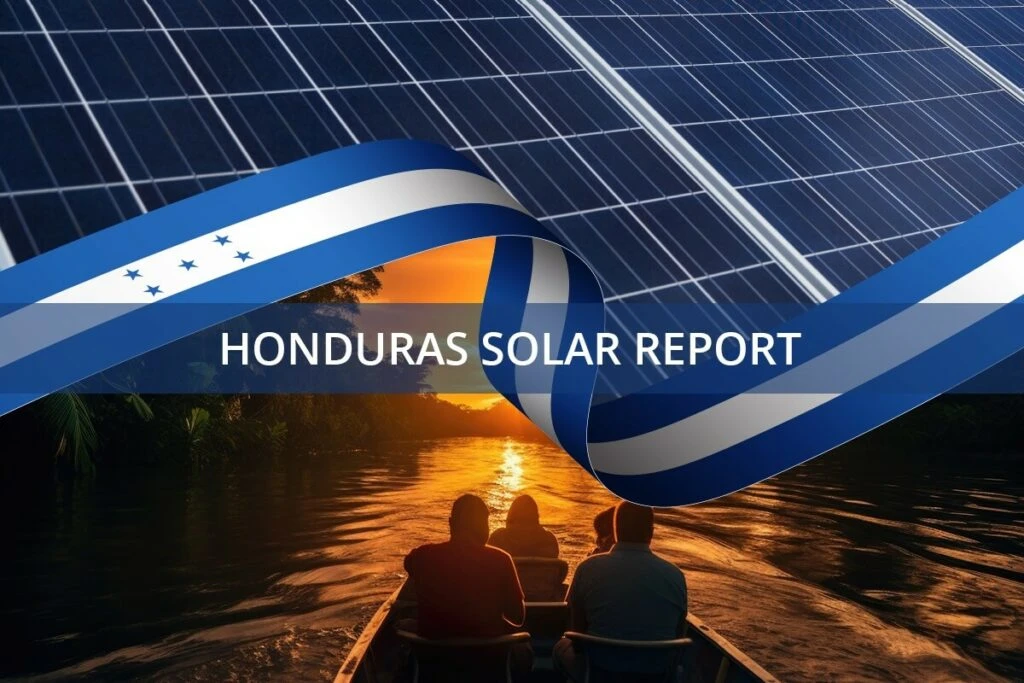
In our increasingly interconnected world, the economic strategies of one nation can create powerful, often unforeseen, currents that shape the development of another. A prime example of this dynamic is unfolding between China and Honduras. While not always a direct line, China’s massive production of solar panels is indirectly but significantly impacting Honduras’ capacity for green development as we look towards 2026.
This relationship isn’t about a single project or a specific aid package. Instead, it’s a story of global supply chains, market dynamics, and burgeoning diplomatic ties that collectively pave the way for a more sustainable future in Central America.
China’s Green Tech Engine: The “New Three”
At the heart of this influence is China’s strategic focus on what it calls the “new three” pillars of green production: electric vehicles, advanced batteries, and, most critically for this discussion, solar panels. According to a statement from China’s Foreign Ministry, this concerted industrial effort has successfully bridged a crucial gap between global supply and demand for green technologies.
By combining immense scale with a push for standardization, China has fundamentally altered the economics of solar power. Its 2026 to 2028 program, which focuses on technology improvements and industrial-scale plant design, promises to further enhance this capacity. The result is a global market flooded with more accessible and affordable photovoltaic products, a development that empowers nations worldwide to accelerate their energy transition.
From Global Supply to Local Impact
For a developing nation like Honduras, this global market shift is a game-changer. The high cost and limited availability of renewable technology have historically been significant barriers to entry. China’s industrial output directly addresses this challenge. By increasing the global supply of solar panels, it drives down prices, making large-scale solar projects more economically viable for countries looking to decrease their reliance on fossil fuels.
This isn’t just a theoretical benefit. It’s a tangible opportunity. The surge in Chinese green production capacity provides the essential tools for Honduras to pursue its low-carbon development goals, decrease carbon emissions, and build a more resilient energy infrastructure.
A Growing Partnership in a Changing Landscape
The impact is amplified by the evolving relationship between the two countries. Since establishing diplomatic relations, China and Honduras have engaged in practical cooperation across various fields, a framework that naturally facilitates access to these critical green technologies. This deepening economic footprint in Central Asia and beyond creates pathways for countries like Honduras to tap into the supply chains that are driving the global energy transition.
The practical implications for Honduras in 2026 and beyond are profound:
- Accelerated Renewable Infrastructure: Access to affordable solar panels allows for the faster development of solar farms and distributed energy projects.
- Reduced Energy Costs: Lower technology costs can translate into more stable and affordable electricity for citizens and industries.
- Achieving Climate Goals: A robust solar energy sector is a cornerstone of meeting national and international climate commitments.
Ultimately, the story of China’s solar panel production and Honduras’ green development is a powerful illustration of 21st-century geopolitics and economics. It shows how industrial policy in Asia can directly enable sustainable development in Latin America, creating a ripple effect that helps power a cleaner, more equitable world for everyone.