Cuba energy crisis: Solar Panel Theft and Imprisonment
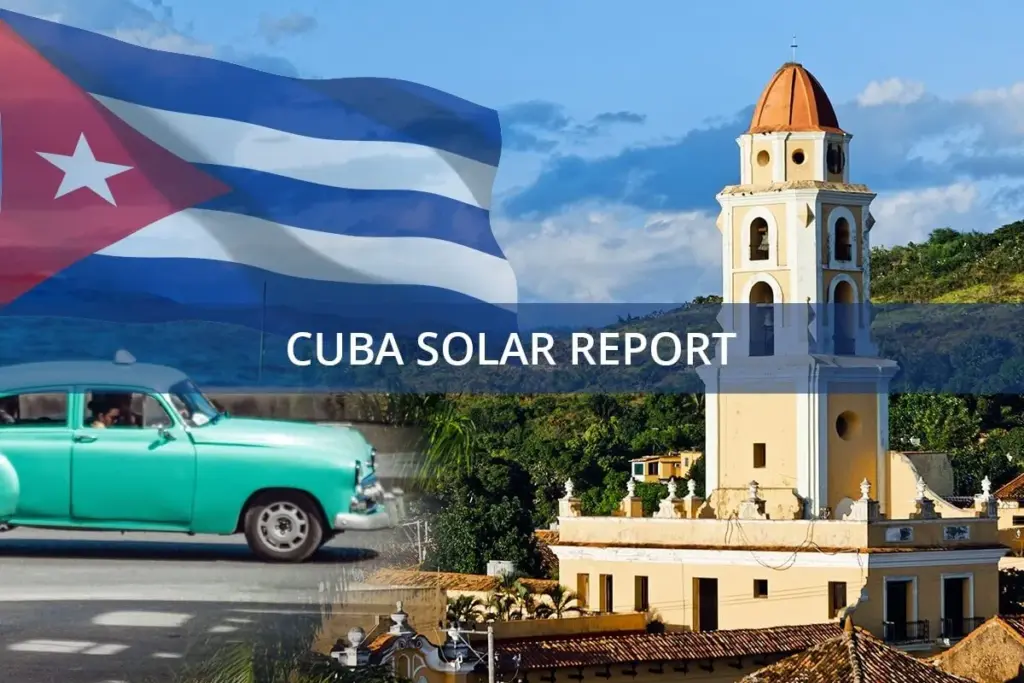
Cuba is currently ensnared in what is being described as the most severe energy crisis in its history, a situation drawing parallels to the economic turmoil following the collapse of the Soviet Union. As the nation grapples with crippling power outages and a steep economic downturn, the strain on its infrastructure and citizens is becoming increasingly palpable. The crisis has created an environment of desperation, leading to extreme measures, including reports of men being imprisoned for the theft of solar panels—a vital resource in a country starved for power.
The Reality of Cuba’s Energy Crisis and Failing Grid
Across the island, prolonged and widespread blackouts have become a part of daily life. This is not merely an inconvenience; it is a systemic failure that is crippling the economy and plunging citizens into darkness for hours on end. The situation has been documented as the worst energy crisis in Cuba’s modern history, a stark indicator of the nation’s profound economic and infrastructural challenges. For ordinary Cubans, the struggle to cook, work, and maintain a semblance of normalcy is a constant battle against an unreliable power grid.
This deep-seated crisis is pushing citizens to their limits. In a stark illustration of the growing desperation, reports have emerged of individuals resorting to crime to secure independent power sources. The theft of solar panels, a commodity that offers a lifeline of electricity when the state-run grid fails, highlights the extreme value placed on any alternative energy solution. The subsequent imprisonment of those caught underscores the government’s struggle to protect what little functional infrastructure remains, even as it fails to provide consistent power to its people.
A Perfect Storm of Pressures Worsens the Cuba energy crisis
Cuba’s energy woes do not exist in a vacuum. The island nation, heavily reliant on energy imports, is exceptionally vulnerable to global geopolitical and economic shifts. The current crisis is compounded by a confluence of external factors, including ongoing U.S. policy that continues to exert economic pressure on the country. Former President Trump’s rhetoric, for instance, has previously singled out Cuba as a target for future action following conflicts in the Middle East, contributing to an environment of instability.
Furthermore, global energy market volatility, such as conflicts impacting major supply routes like the Strait of Hormuz, has a direct and devastating ripple effect on import-dependent nations. While larger economies may navigate shifting alliances and policies regarding oil supplies, Cuba’s fragile economy is left exposed. This external pressure exacerbates internal inefficiencies and a lack of resources, creating a perfect storm that has led to the current historic energy collapse. As the United Nations warns of the worldwide economic fallout from escalating global conflicts, nations like Cuba remain on the front lines of the consequences.
The road ahead for Cuba is fraught with uncertainty. With a crumbling energy infrastructure and immense external pressures, the immediate future for its citizens looks bleak. The incidents of solar panel theft are more than just a crime statistic; they are a clear and alarming symptom of a nation in the throes of a profound crisis, where securing a single ray of light has become a desperate and punishable act.