Cuba Embraces Solar Power Amid Energy Crisis and US Sanctions
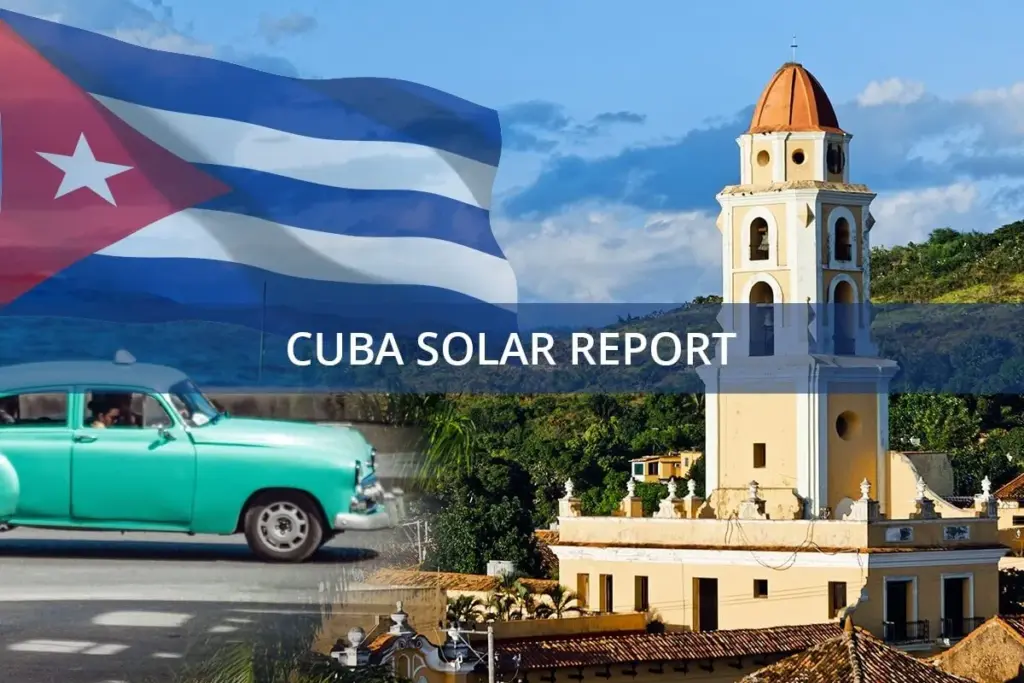
In the face of a deepening energy crisis, crippling power outages, and persistent US sanctions, Cuba is turning to the sun for its salvation. The island nation, long dependent on imported fossil fuels, is now in the midst of an accelerated and necessary pivot to solar energy. This transition is not just a matter of environmental policy but a crucial strategy for national survival, reshaping daily life and charting a new course for the country’s energy independence.
The Perfect Storm: A Grid on the Brink for Cuba solar power
Cuba’s electrical grid has been teetering on the edge for years, heavily reliant on aging thermal plants powered by imported oil. This vulnerability has been exposed and exacerbated by a combination of factors. Strict US sanctions have severely hampered the island’s ability to secure fuel, while dwindling oil shipments from key allies like Venezuela have tightened the squeeze.
The consequences for the Cuban people have been dire. Rolling blackouts, sometimes lasting up to 24 hours, have become a part of daily life. These power cuts disrupt everything, from homes and businesses to critical infrastructure like hospitals and water systems, forcing the government to implement widespread electricity rationing. The fragility of the import-dependent grid has been laid bare, creating an urgent need for a sustainable, homegrown solution.
A Government-Led Push for a Cuba solar power Future
In response to the crisis, the Cuban government has made solar energy a national priority. The country’s National Energy Transition Strategy, laid out in 2024, aims to eventually generate all electricity from domestic resources, with a heavy emphasis on renewables.
This ambition is being powered by significant international support, particularly from China. In a landmark agreement, Cuba is collaborating with China to build 92 solar farms by 2028, a project intended to add a massive 2,000 megawatts (2 gigawatts) of solar capacity to the national grid. Progress is already visible, with dozens of solar parks completed and saving thousands of tons of fossil fuels. As a further measure, China has also donated thousands of solar kits to help bring power to households in remote areas.
Power to the People: The Rooftop Revolution with Cuba solar power
The solar transition isn’t just happening at the state level. A grassroots movement is taking hold as private citizens and business owners take matters into their own hands. Frustrated by unreliable diesel and gasoline-powered generators, Cubans are increasingly scrambling to install solar panels on their rooftops, businesses, and even vehicles.
Installers report a surge in demand as more people seek a reliable source of power. To encourage this private investment, the government has announced incentives, including tax waivers for business owners who undertake renewable energy projects. However, the cost remains a significant barrier. Priced in dollars, solar panels are a luxury far beyond the reach of the average Cuban. Their adoption is largely limited to private business owners and those who receive financial remittances from family abroad, creating a new divide in energy access.
Hurdles on the Horizon for Cuba solar power
Despite the rapid expansion, Cuba’s path to a solar-powered future is filled with obstacles. The complete energy transition is estimated to require between $8 billion and $10 billion over the next decade—a staggering sum for the nation’s strained economy.
Furthermore, technical challenges persist. The country’s transmission system is outdated, losing an estimated 16% of all electricity generated before it even reaches consumers. A more fundamental problem is the nature of solar power itself. It generates electricity during daylight hours, yet peak demand in Cuba occurs in the evening, between 7 and 8 pm. Without sufficient battery storage capacity—the most expensive component of modern renewable energy systems—the country will struggle to bridge this gap.
Cuba’s embrace of solar power is a powerful story of resilience born from necessity. Driven by sanctions and scarcity, the island is being forced into a green transition that could redefine its future. While the financial and technical challenges are immense, the determined pivot toward the sun marks a critical step in the quest for energy sovereignty and stability.