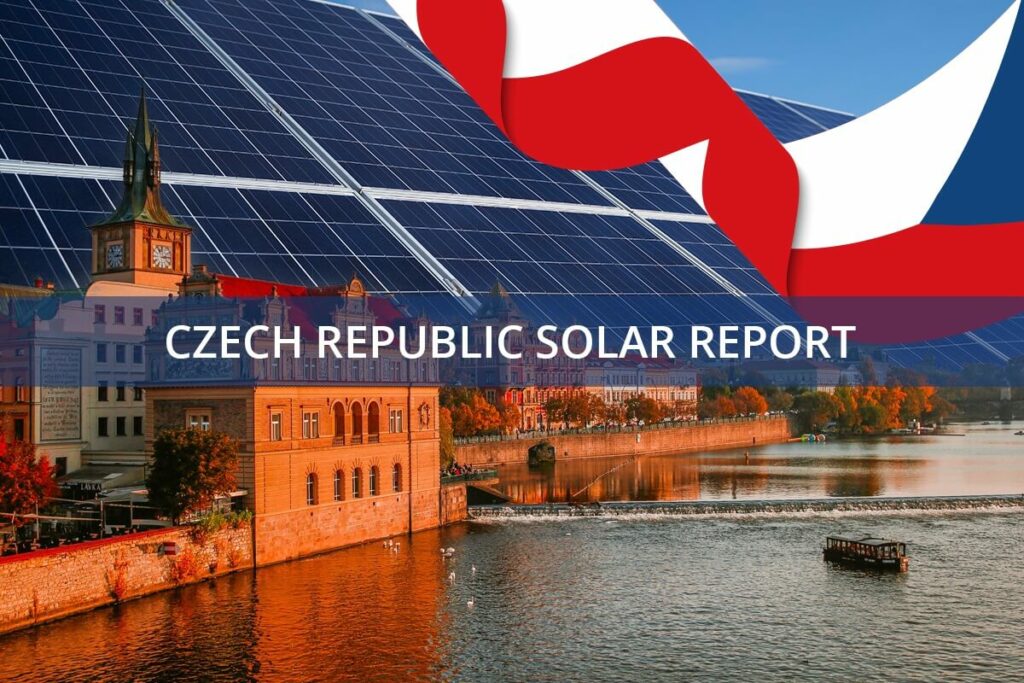
The Czech Republic has taken a major step towards sustainable data infrastructure with the launch of a pioneering data center in Prague powered by onsite solar energy. This project was made possible by a strategic partnership between Czech IT service provider mCloud and solar solution specialist Solarix, signaling a green shift in the nation’s rapidly growing tech sector.
Czech data center solar: Solar-Powered Data Center in Prague
The data center operated by mCloud is designed to house energy-intensive IT equipment, such as servers and networking devices essential for running various applications and cloud services. As the digital economy expands, the energy consumption of such facilities has become a critical environmental concern. By utilizing solar panels, the facility significantly reduces its reliance on traditional energy sources, thereby cutting its carbon footprint. The intricate solar panel manufacturing process ensures these panels are efficient and durable for long-term energy generation.
Solarix—a company with extensive experience in designing and installing solar power systems—played a key role in the project. The solar array at the data center generates 120 MWh of energy annually, offsetting 24 metric tonnes of CO2 emissions and saving approximately €15,000 in energy costs each year.
Andrej Hronec, CEO of mCloud, emphasized the significance of the project, stating, “We are proud to be one of the first data centers in the Czech Republic to implement onsite renewable energy. This is a major milestone for us and a testament to our commitment to sustainable practices.”
This initiative is part of a broader trend. T-Mobile has also launched an onsite solar array at its DC7 data center in Prague, which is expected to generate an impressive 240 MWh annually. Together, these projects highlight a growing commitment within the Czech IT industry to embrace renewable power.
Energy Storage and Future Plans for Czech data center solar
A crucial aspect of the project is the integration of a battery energy storage system (BESS). This system will store excess energy produced by the solar panels during the day, ensuring a stable energy supply at night or during periods of low sunlight. The BESS also provides a reliable backup power source in case of grid outages, a critical feature for data centers that require uninterrupted operation. The panels themselves, built from carefully selected solar panel raw materials, are key to maximizing this energy capture.
Hronec noted that the BESS system will be operational by the end of 2024, further enhancing the data center’s energy efficiency and sustainability.
The success of this project highlights the potential for renewable energy integration in data centers, paving the way for more sustainable IT infrastructure. This model isn’t just limited to the Czech Republic; projects like Banglalink’s first solar data center show this is a global movement. As the demand for data center services continues to grow, onsite solar energy and advanced storage solutions will be crucial in reducing the environmental impact of these facilities.
A Milestone for Czech IT: Integrating data center solar
The launch of this solar-powered data center marks a significant milestone, showcasing the feasibility and benefits of integrating renewable energy into large-scale IT operations. The collaboration between mCloud and Solarix serves as a model for other companies looking to reduce their environmental footprint. This move aligns with a larger national trend, as the Czech Republic boosts solar energy with new legislation designed to encourage such green investments.
As data centers worldwide face increasing scrutiny over their energy consumption, projects like mCloud’s facility demonstrate that renewable solutions are not only viable but also economically beneficial. While there is an initial investment, the long-term savings on energy costs and the positive environmental impact are substantial. This trend is being adopted across industries, with major companies like TDK also expanding their solar capacity at Czech facilities, as seen with the TDK solar Czech initiative.
With the successful integration of solar energy and advanced storage systems, the Czech data center sets a new standard for sustainability in the IT sector. It offers a glimpse into the future of green data centers and contributes to the growing portfolio of renewable projects in the region, which you can follow in the Czech Republic Solar News Archives.
If you’re inspired by these large-scale projects and want to understand the technology behind them, consider exploring the fundamentals of solar power. To learn more about how solar energy can be harnessed, from manufacturing to installation, check out our free e-course on solar technology.