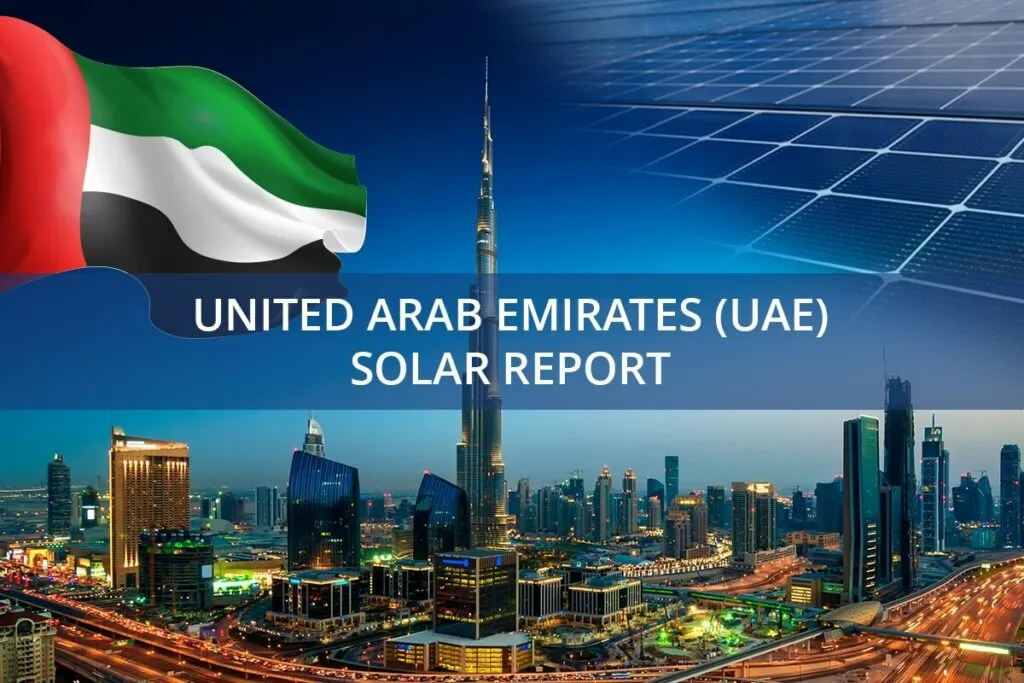
Dubai is making monumental strides in renewable energy, with the Dubai Electricity and Water Authority’s (DEWA) Mohammed bin Rashid Al Maktoum Solar Park at the forefront of its ambitions. In a significant update to its clean energy targets, the park is now set to reach an immense 8 GW capacity by 2030, solidifying its future as the largest single-site solar park in the world.
Key Developments in the Dubai solar park
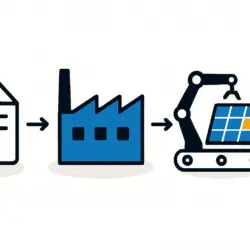
The Mohammed bin Rashid Al Maktoum Solar Park currently boasts an operational capacity of 1,827 MW, generated from a mix of 1,627 MW of photovoltaic (PV) solar panels and 200 MW from concentrated solar power (CSP). The intricate solar panel manufacturing process behind these PV panels is a testament to the advanced technology being deployed. DEWA is accelerating this growth, having awarded a contract for an additional 1,800 MW project. This phase is projected to bring the park’s total capacity to 3,627 MW by the first quarter of 2026.
To meet its ambitious new goals, DEWA plans to award an additional 1,000 MW of solar projects annually from 2026 through 2029. This will scale the park’s total capacity to an impressive 8,000 MW by 2030. This rapid expansion is part of Dubai’s broader strategy to increase the share of clean energy in its mix, driven partly by the rising power demands of new data centers and AI compute clusters.
Hybrid Solar Technologies at the Dubai solar park
A key feature of the Mohammed bin Rashid Al Maktoum Solar Park is its innovative integration of multiple technologies. It is home to the world’s tallest solar tower, standing at 262.44 meters, and boasts the largest thermal energy storage capacity of 15 hours. The park masterfully combines both photovoltaic and concentrated solar power technologies, with the CSP component enabling a continuous energy supply for 24 hours a day.
The project’s scope extends beyond solar. It includes a 250 MW pumped-storage hydroelectric power station in Hatta, which is already 74% complete and slated to begin operations in the fourth quarter of 2024. This facility will provide a massive storage capacity of 1,500 megawatt-hours and is built to last, with a projected lifespan of up to 80 years.
To further stabilize the grid, the park incorporates advanced battery storage solutions. A 19 MW battery energy storage system (BESS) with a 21.75 MWh capacity using lithium-ion batteries is already in place. DEWA is also constructing a much larger 200 MW/800 MWh BESS, with the first 100 MW/400 MWh phase expected to be completed by the end of 2024.
Dubai’s Clean Energy Strategy and the Dubai solar park
This expansion is a cornerstone of the Dubai Clean Energy Strategy 2050 and the Dubai Net Zero Carbon Emissions Strategy 2050, which collectively aim to source 100% of Dubai’s power from clean energy. To date, DEWA has installed 2,327 MW of solar and CSP capacity, which already accounts for 16% of Dubai’s total energy mix, a figure that highlights the impressive rise in demand for clean power.
This milestone directly supports the UAE’s national goal of achieving net-zero carbon emissions by 2050. The country has updated its 2030 renewable target from 14.2 GW to 19.8 GW, with a goal to exceed 22 GW of clean capacity by 2031. The solar park’s upgraded 8,000 MW goal by 2030 is a significant leap from its previous 5,000 MW target and a critical component of this national vision.
The expansion of the Mohammed bin Rashid Al Maktoum Solar Park represents a defining step in Dubai’s journey toward a sustainable, carbon-neutral future. As the largest single-site solar park globally, it showcases the immense potential of clean energy to fuel economic growth while promoting environmental stewardship.
Looking ahead, Dubai’s continued investment in its renewable energy infrastructure will be pivotal in achieving its long-term sustainability goals. The completion of the solar park’s expansion will not only bolster the emirate’s energy security but also serve as a powerful model for other regions transitioning to a low-carbon economy.
To learn more about the fundamentals of solar energy and its production, consider exploring this free e-course on solar panel manufacturing.