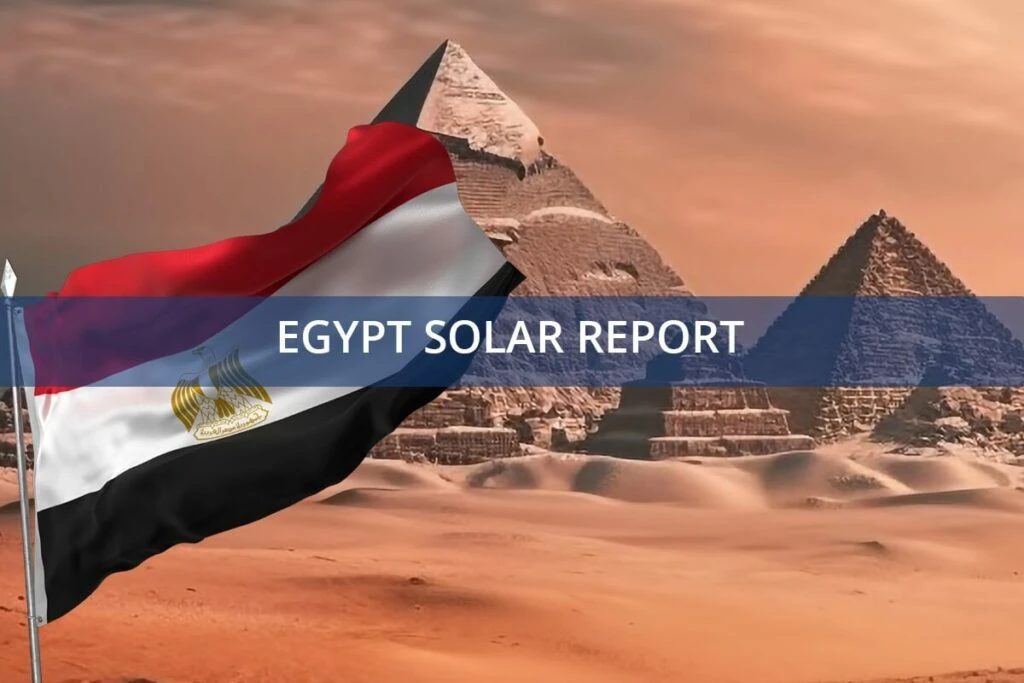
By 2026, Egypt plans to add 12 gigawatts of renewable energy, focusing on wind and solar power. The government has secured $3.5 billion in investments for wind projects and is set to install 5.6 GW of solar energy. These initiatives aim to increase renewable energy’s share in the national grid to 30%, bolstering both economic growth and environmental sustainability.
Key Project Developments for 2026
Egypt is making significant strides in its commitment to renewable energy, an ambitious national goal that reflects a strong dedication to reducing reliance on fossil fuels and promoting sustainable development.
Renewable Energy in Egypt
According to Energy Business Review, the Egyptian government has already secured $3.5 billion in investments for wind energy projects. These projects will add 6.4 GW of new wind capacity by 2026—more than doubling the country’s current total. This focus on wind energy is part of a broader strategy to diversify Egypt’s energy sources and enhance its energy security.
Alongside its investments in wind, Egypt is also heavily backing solar power, with plans to install 5.6 GW of new capacity by 2026. This will significantly increase the share of solar in the national energy mix. Together, the new wind and solar projects will boost renewable energy’s contribution to Egypt’s national grid to 30% by 2026. For more insights into Egypt’s solar initiatives, you can explore Egypt Harnesses Solar Potentials Amid Rising Gas Prices.
The European Bank for Reconstruction and Development (EBRD) has played a crucial role in supporting Egypt’s renewable energy targets, providing significant financial and technical support for various projects across the country. In particular, the EBRD has helped develop Egypt’s first wave of utility-scale solar and wind projects, laying the foundation for its ambitious renewable energy goals.
Economic and Environmental Impacts
The expansion of Egypt’s renewable energy sector is set to bring numerous economic and environmental benefits. A larger share of renewables in the national grid will reduce the country’s dependence on fossil fuels, helping cut greenhouse gas emissions and contributing to global climate change efforts.
These projects are also expected to create thousands of jobs, as the construction, operation, and maintenance of wind and solar farms require a skilled workforce. As Egypt expands its renewable capacity, the need to train and employ more workers in this sector will provide a significant boost to the economy and help reduce unemployment.
Furthermore, generating more energy domestically helps Egypt save money on energy imports. This reduces the country’s reliance on foreign fossil fuels, improving national energy security and making it less vulnerable to fluctuations in global energy prices.
Challenges and Future Outlook
Despite the promising outlook, the Egypt renewable energy market must still overcome several hurdles. A key challenge is the need for greater investment in energy infrastructure to support this growth.
Fully integrating new renewable capacity into the national grid will require significant upgrades to transmission and distribution networks, demanding both substantial financial resources and technical expertise.
Ensuring these projects are developed sustainably is also critical. Large-scale wind and solar farms can impact local ecosystems and communities, so they must be designed and implemented with careful consideration for their environmental and social effects.
Looking ahead, the future for Egypt’s renewable energy sector appears bright. The country’s abundant solar and wind resources, combined with strong government support and international investment, provide a solid foundation for growth. Egypt aims to generate 42% of its electricity from renewable sources by 2030, a goal that will depend on continued investment and innovation.
Conclusion: Egypt’s Renewable Energy Trajectory
Egypt’s ambitious plan to add 12 GW of renewable energy by 2026 marks a significant step in the country’s energy transition. With support from international partners like the EBRD, Egypt is well-positioned to become a regional leader in the renewable sector.
As the nation expands its renewable energy capacity, it will not only reduce its carbon footprint but also create new economic opportunities and enhance its energy security. The outlook for renewable energy in Egypt is promising, with benefits poised to last for generations to come. For a deep dive into Egypt’s solar industry, explore the Egypt Solar Panel Manufacturing | Market Insights Report.