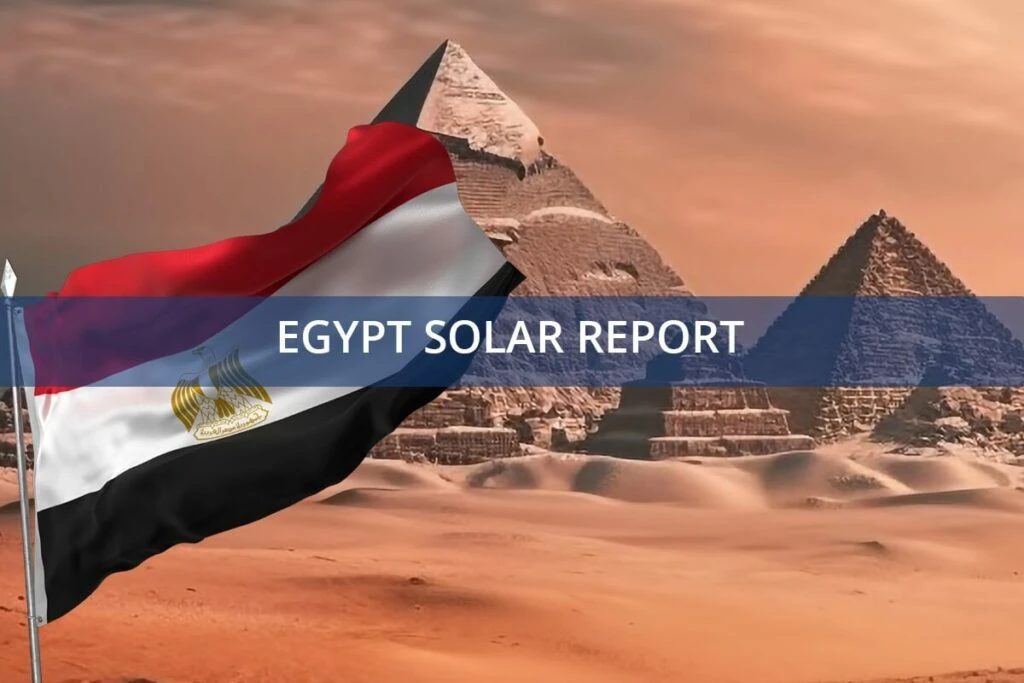
Egypt solidified its position as a continental leader in renewable energy in 2025, achieving a significant expansion that underscores its commitment to a sustainable energy future. The nation’s solar sector added an impressive 500 MW of new photovoltaic capacity during the year, securing its rank as Africa’s third-largest solar market. This surge was part of a record-breaking year for the continent, which saw approximately 4.5 GW of new solar installations.
Quantifiable Achievements and Environmental Impact of Egypt solar energy: Impressive 2025 Growth is Essential
The growth in 2025 propelled Egypt’s total installed renewable capacity to approximately 8.6 GW by the fiscal year 2024/25. In the early months of the following fiscal year, grid-connected solar PV systems were already producing around 1,855 GWh. These numbers translate into substantial environmental and economic benefits. The renewable generation in 2025 resulted in fuel savings equivalent to 1.76 million tons of oil and prevented nearly 4.1 million tons of CO₂ emissions from entering the atmosphere, marking a significant step in the nation’s decarbonization efforts.
Strategic Partnerships and Infrastructure Development for Egypt solar energy: Impressive 2025 Growth is Essential
This remarkable progress is not accidental but the result of strategic planning, major projects, and crucial partnerships. Collaborations, such as the one between Hitachi Energy and MEDA Industrial Group, are vital for enhancing the country’s grid infrastructure. Modernizing transmission and distribution networks is essential to efficiently integrate the growing share of variable renewable energy from solar and wind sources, ensuring grid stability and minimizing energy losses. This focus on infrastructure is critical to accommodate even more ambitious Egyptian renewable energy project developments slated for the near future.
Aligning with National and Global Goals for Egypt solar energy: Impressive 2025 Growth is Essential
The expansion of solar energy is a cornerstone of Egypt’s long-term economic and environmental strategy. The development of large-scale solar plants creates thousands of jobs during construction and operation, stimulating regional economies. This aligns perfectly with the government’s ambitious Vision 2030, which targets generating 42% of the country’s electricity from renewable sources. Achieving this goal requires not just installing panels but also building a skilled solar manufacturing workforce in Egypt to support a self-sustaining domestic industry. Through continued investment and international cooperation, Egypt is not only on track to meet its national targets but is also making a significant contribution to the global fight against climate change.
Sources for Egypt solar energy: Impressive 2025 Growth is Essential
- Powering The Future: How Egypt Scaled Up Renewables …
- Egypt ranks 3rd among Africa top 10 solar energy markets …
- Egypt’s $10 Billion Green Gamble | OilPrice.com
- 500 MW Boost Elevates Egypt’s Solar Market Ranking
- Africa Market Outlook for Solar PV 2025-2028
- Solar Energy Market Size, Share & Industry Analysis 2031
- Egypt -Electricity and Renewable Energy