Egypt Accelerates Solar Expansion
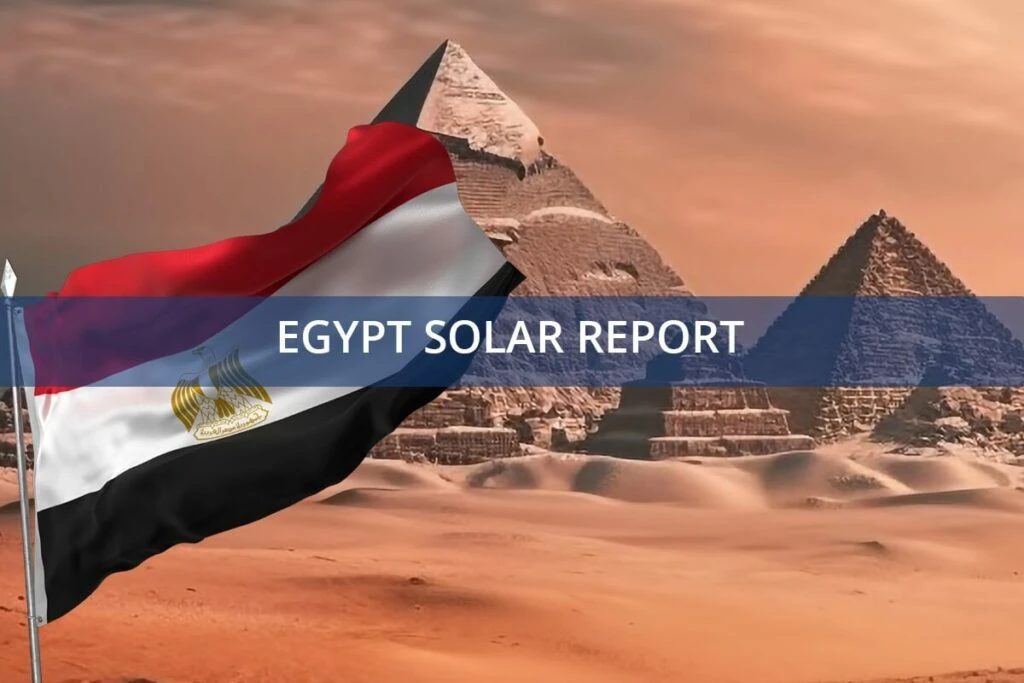
In a decisive move to bolster its energy security and advance its renewable energy ambitions, Egypt is significantly fast-tracking the expansion of its solar power capacity. Following a directive from President Abdel Fattah Al-Sisi, the nation is set to add a substantial 3,000 megawatts (MW) of solar energy to its national grid within the year. This ambitious push is a direct response to anticipated increases in summer electricity demand and a core component of the country’s long-term economic and environmental strategy.
Meeting Summer Demand with Egypt solar expansion
The urgency of this initiative is underscored by preparations for the upcoming summer, a period of peak energy consumption. To stabilize the grid amid an expected 6-7% rise in peak demand, the government’s plan goes beyond just adding solar panels. A crucial part of the strategy involves integrating 600 MW of new battery storage capacity before the summer season begins. This combination of solar generation and energy storage is designed to enhance grid reliability, reduce reliance on traditional fossil fuels, and ensure a consistent power supply for both the production and service sectors.
President Al-Sisi reviewed the comprehensive plan in a meeting with Prime Minister Mostafa Madbouly and Minister of Electricity Mahmoud Essmat, emphasizing the need to secure energy supplies and continue the transition towards cleaner sources.
A Strategic Vision for a Green Economy through Egypt solar expansion
This acceleration is not merely a short-term fix; it is a vital part of Egypt’s broader vision for sustainable economic growth. The government aims to have renewable energy constitute 42% or more of the country’s energy mix well ahead of its original 2030 target. By prioritizing solar and wind projects, Egypt is working to attract foreign investment, foster local manufacturing of renewable energy components, and solidify its position as a leader in the green transition.
Flagship projects like the massive Benban Solar Park already showcase the nation’s potential, and this new directive signals a clear intent to build on that success.
Bolstering Infrastructure for a Renewable Future with Egypt solar expansion
Recognizing that generating more power is only half the battle, Egypt is also investing heavily in its transmission infrastructure. The plan includes the completion of 34 new transformer substations, the expansion of 40 existing ones, and the rollout of new transmission lines to support the expanded capacity.
Furthermore, international cooperation plays a key role. The first phase of the Egypt-Saudi Arabia electricity interconnection project is expected to supply an additional 1,500 MW to the grid by summer, providing critical support during the high-demand period. Complementing these efforts, a recent investment from the European Union will further enhance grid reliability and enable the network to handle the increasing share of solar and wind power.
This multi-pronged approach demonstrates a clear commitment to creating a modern, resilient, and green energy system capable of powering Egypt’s future.