Exploring Energy storage Honduras: 5 Essential Systems for Tropical Climates
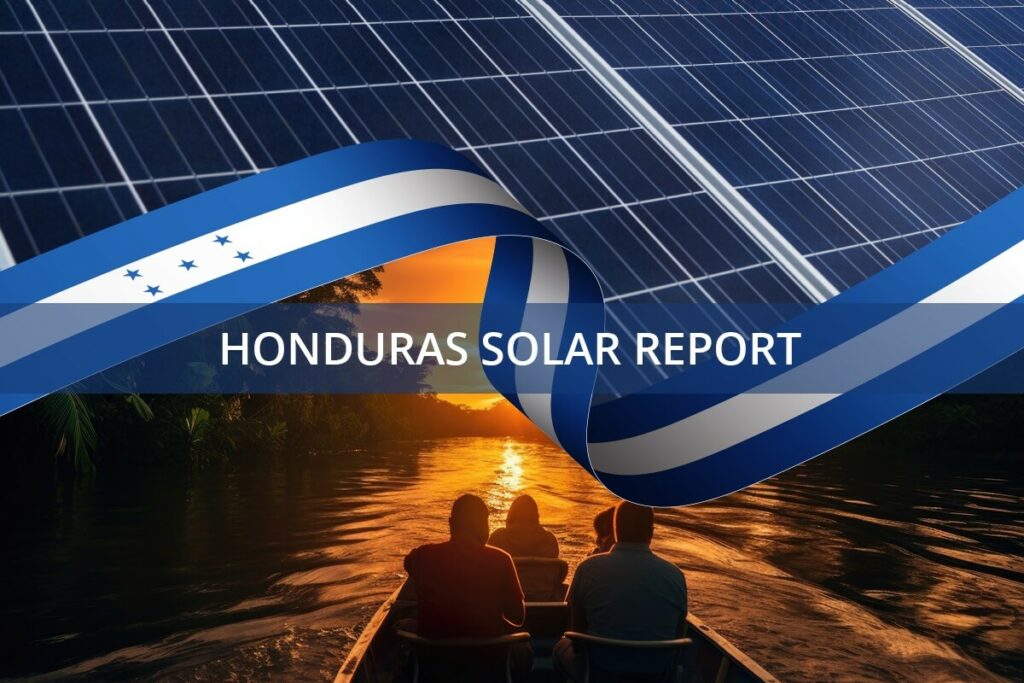
Honduras stands as a global leader in solar power generation, benefiting from over 2,000 hours of sunshine annually and an impressive solar potential of 5.5 kWh per square meter per day. However, the nation’s tropical climate, characterized by intense heat (30–36°C) and high humidity (over 90%), presents significant obstacles for conventional energy storage technologies. This environmental challenge, coupled with a reliance on fossil fuels for approximately 45% of its electricity and high consumer energy costs, underscores the critical need for resilient storage solutions. Addressing this gap, innovators like Sunpal Solar are introducing systems specifically engineered to perform in these demanding conditions.
Advanced Storage Technology Tailored for Heat and Humidity
To effectively harness its abundant solar energy around the clock, Honduras requires energy storage systems that can withstand its unique climate. The most effective solutions integrate several key technologies. These include robust lithium iron phosphate (LiFePO₄) batteries, prized for their thermal stability, and sophisticated, tropical-grade battery management systems (BMS). Furthermore, features like smart thermal regulation for active cooling and IP65/IP67-rated waterproofing are essential to protect components from corrosion and overheating, ensuring longevity and reliable performance. These specialized systems are designed to bridge the power gap during nighttime hours and overcast days, reducing dependence on expensive diesel generators.
Proven Success and a Blueprint for the Future
The viability of advanced energy storage in Honduras is not just theoretical. Projects like the Perla Brus Laguna initiative, which pairs a 400 kWp solar array with a 1.75 MWh storage system, have proven effective even in remote and adverse tropical environments. This project successfully provided 24/7 power to a local clinic, cutting energy costs by 60% and eliminating diesel usage entirely. Such real-world applications demonstrate a clear path toward greater energy independence and stability. With government incentives available to encourage adoption and a strong return on investment often realized within 3-5 years, the financial case for these systems is compelling for both residential and commercial users.
Paving the Way for a 100% Renewable Grid
The strategic deployment of climate-resilient energy storage is a cornerstone of Honduras’s long-term energy strategy. Visionary studies, including simulations from Stanford University, outline a pathway for Honduras to achieve a 100% renewable grid powered by wind, water, and solar by 2050, with diverse storage technologies providing critical grid stability. As the country continues to expand its clean energy portfolio with significant investments in renewable generation, the role of companies like Sunpal Solar becomes increasingly vital. By supplying the essential storage infrastructure, they are helping to reduce the nation’s carbon footprint, lower electricity bills, and build a more sustainable and self-sufficient energy future.
Sources
- What are the solar energy storage cabinet factories in honduras …
- Honduras commissions first state-owned solar farm …
- Perla Project – Electrifying Brus Laguna
- Pipeline of Climate Ventures
- ora-20251231
- Energy Storage Systems For Tropical Climates
- A Solution to Global Warming, Air Pollution, and Energy …