The EU is focusing on enhancing the flexibility of its energy systems to ensure energy security, particularly in the wake of the Ukraine conflict. The European Commission is advocating for increased flexibility by introducing more renewables and advanced technologies into the energy mix to create a more resilient, independent, and decarbonized power grid.
Energy Security and Flexibility Challenges for EU energy security
The European Union is urgently working to enhance the flexibility of its energy systems to guarantee energy security, a need starkly highlighted by the ongoing conflict in Ukraine. During a recent debate at the European Parliament, Morten Petersen, a Danish MEP, underscored the immediate necessity of addressing energy security concerns, advocating for solutions rooted in greater energy system flexibility.
He emphasized that the current energy crisis, driven by geopolitical instability, has revealed the critical need for a more adaptable approach to energy markets. This is especially true when integrating variable renewable energy sources like wind and solar power, whose output fluctuates with weather conditions.
Kadri Simson, the European Commissioner for Energy, echoed Petersen’s concerns and detailed the European Commission’s plan to bolster energy flexibility across the EU. Simson noted that the crisis exposed significant weaknesses in the EU’s energy infrastructure, particularly its limited capacity to integrate a high share of renewables. This over-reliance on imported fossil fuels, especially from Russia, has left the continent vulnerable to severe price shocks and supply disruptions.
She explained that by 2030, wind and solar are expected to account for 50% of the EU’s electricity mix. This ambitious target necessitates a fundamental shift towards more responsive and intelligent energy systems capable of balancing a grid powered by intermittent sources.
Simson also pointed out that legacy energy systems were not designed for the rapid expansion of renewables. Grid congestion alone cost the EU an estimated €4.3 billion in 2023. To address these vulnerabilities, the European Commission’s proposal includes measures to enhance demand response, improve cross-border grid connections like the one planned between Montenegro and Italy, and incentivize investments in flexible energy assets.
Market Design and Flexibility Solutions for EU energy security
The European Commission’s proposal outlines several key pillars to increase flexibility. These include promoting demand-side management, strengthening interconnections between member states, and incentivizing investment in flexible assets such as batteries, pumped hydro storage, and modern, flexible gas-fired power plants, which are seen as a crucial “bridge fuel.”
Simson emphasized that these measures are essential to prevent economic losses during periods of excess renewable energy production, which can cause negative electricity prices and destabilize the market.
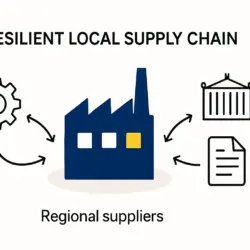
A central element of this strategy is a massive expansion of energy storage. Industry groups like SolarPower Europe have called for a dedicated battery storage action plan, warning that capacity must increase tenfold by 2030 to meet the EU’s targets. This means scaling up to a required 780 GWh of storage to provide the necessary grid stability. To achieve this, the EU is focused on prioritizing European battery production to bolster the resilience of its solar panel raw materials supply chain and reduce import dependency.
The revised electricity market design aims to create a clear investment climate for these solutions. It offers long-term contracts of up to 15 years to encourage the development of flexible assets that can quickly respond to fluctuations in renewable generation. The proposal also introduces mandatory national flexibility objectives and requires system operators to establish dedicated flexibility services, creating new markets for technologies that can support the grid.
Demand Response and Consumer Involvement in EU energy security
Demand response is a cornerstone of the Commission’s proposal. It empowers consumers to become active participants in the energy market by adjusting their electricity consumption in response to price signals, which helps balance grid supply and demand in real-time.
Simson noted that by 2030, demand response could provide up to 160 GW of flexibility in the EU, a massive leap from the current 30 GW. This potential is critical for integrating more renewables cost-effectively.
To unlock this potential, the proposal encourages the widespread adoption of smart meters and dynamic electricity tariffs. For homeowners and tenants in Germany, this translates into tangible benefits. With a smart meter and a dynamic tariff, the price of electricity could be significantly lower on sunny or windy afternoons. This creates a financial incentive to run a washing machine, dishwasher, or charge an electric vehicle during these low-cost periods, saving money while simultaneously helping to stabilize the grid.
The European Commission’s proposal is a crucial step towards ensuring a secure, affordable, and green energy future. By focusing on demand response, cross-border connections, and flexible assets like battery storage, the EU aims to build a resilient energy system that can withstand future shocks. As the ongoing energy crisis continues to underscore the vulnerabilities of the old system, the push for flexibility is more important than ever.
If you are interested in the technical side of the solar energy transition, you can learn more with our free e-course on solar panel manufacturing.