Clarifying Ghana solar systems Initiative: 12 Stunning Satellites by 2030
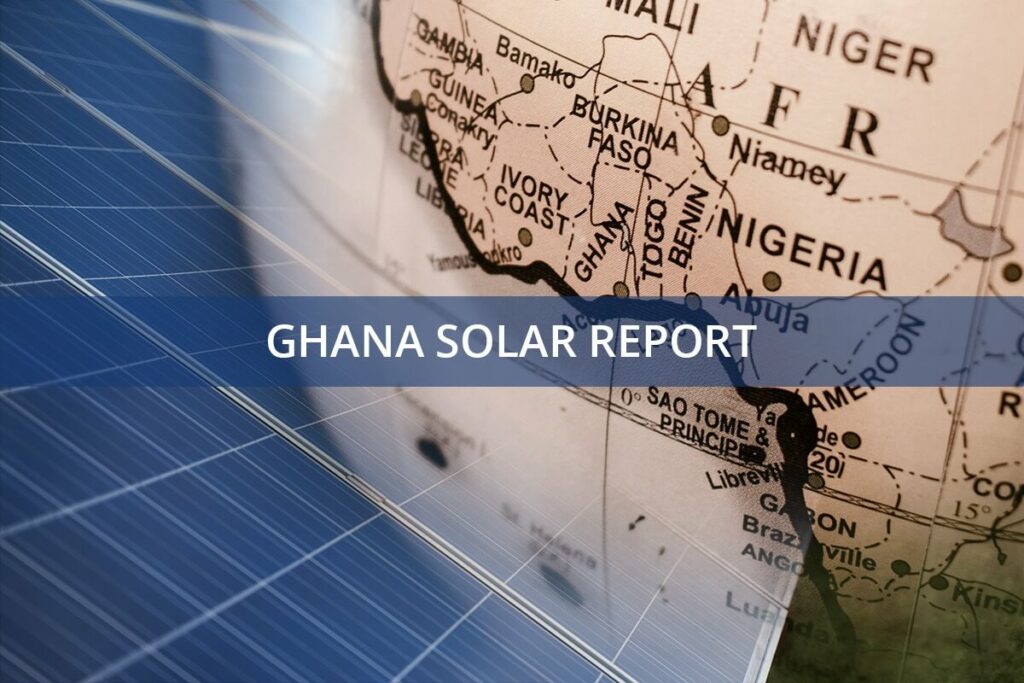
While discussions circulate regarding an ambitious orbital satellite program, a closer look at Ghana’s national strategy reveals a focused effort on leveraging solar power for ground-based infrastructure and achieving significant renewable energy milestones by 2030. The nation’s initiatives appear to be a powerful, albeit different, story of technological advancement, blending solar energy with critical connectivity goals.
Ground-Based Innovation: Solar-Powered Satellite Hubs
A key driver of Ghana’s technological push is the Ghana Investment Promotion Centre (GIFEC), which operates over 100 solar-powered satellite backhaul sites. These are not orbital satellites but sophisticated ground-based ICT hubs designed to bridge the digital divide. By providing crucial infrastructure for rural telephony, e-learning, and telemedicine, these solar-powered systems are enhancing connectivity and opportunity across the nation without the need for orbital launches.
The Real 2030 Target: A Renewable Energy Revolution
The 2030 deadline is more accurately associated with Ghana’s ambitious energy policy. The government is actively working to increase its renewable energy capacity to constitute 10-15% of the nation’s total electricity mix by that year. This goal reflects a significant commitment to sustainable development and is part of a broader trend across the continent, where Africa’s solar imports surged by 60% in the year leading up to June 2025, signaling a regional takeoff in solar adoption.
Navigating Challenges and Building Capacity
Ghana’s path to achieving its energy targets is not without obstacles. Issues such as illegal mining, locally known as *galamsey*, pose a threat by polluting water sources essential for hydro-solar hybrid projects. Despite these challenges, the country continues to invest in building its domestic capabilities. For a detailed analysis of the local manufacturing landscape and its potential, explore the Ghana Solar Panel Manufacturing Report. This focus on both large-scale renewable goals and practical, solar-powered infrastructure underscores a pragmatic approach to national development.
Sources
- The first evidence of a take-off in solar in Africa – Ember
- Ghana Solar Energy Blog
- In COP30 era: Gov’t eyes 15% renewable energy goal by …
- Boosting Connectivity In Ghana With Satellite Internet …
- GHANA $250 MILLION APPOLONIA SATELLITE SMART CITY …