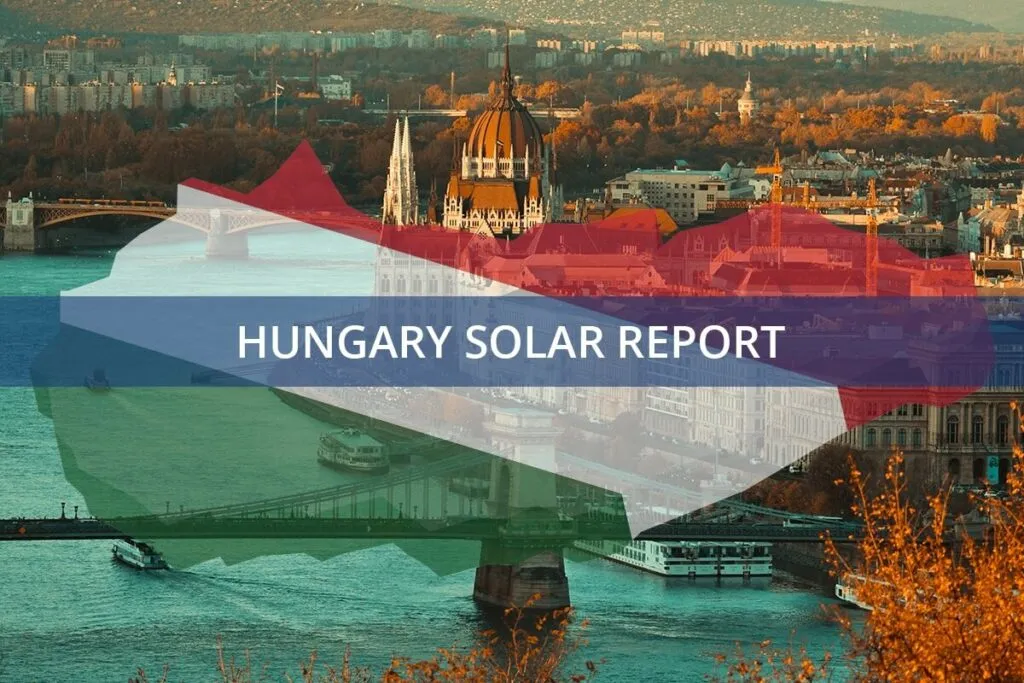
Hungary is set to enhance its energy security and diversify its renewable energy sources by joining the Green Energy Corridor project with Azerbaijan. This strategic partnership aims to reduce Europe’s dependence on Russian energy supplies and promote the use of clean energy, marking a significant step in the region’s energy transition.
The Hungary Azerbaijan green energy Project
The Green Energy Corridor is a landmark renewable energy project designed to export green electricity generated in the Caspian region to European markets. The project, officially known as the ‘Caspian Sea – Black Sea – Europe Green Energy Corridor,’ was initiated in December 2022 by Azerbaijan, Georgia, Romania, and Hungary. A cornerstone of this initiative is the construction of a 1,195 km underwater electricity cable across the Black Sea. This submarine cable, with a planned capacity of 1,000 MW, will transport renewable energy from the Caspian Sea directly to the European Union.
Hungary’s decision to join the project is driven by its goal to diversify energy sources and bolster national energy security. The country aims to reduce its reliance on energy supplies from Russia, a critical concern for many European nations. By participating in this corridor, which is strategically aligned with the EU’s Green Deal and REPowerEU plans, Hungary will gain access to a new, stable source of renewable energy, thereby strengthening its energy independence.
Hungary’s Role in the Green Energy Corridor for Azerbaijan green energy
Hungary’s participation in the Green Energy Corridor is expected to yield significant benefits for both the country and the wider European Union. The project will provide Hungary with a steady supply of renewable energy, reducing its dependence on fossil fuels. Additionally, the project will contribute to the EU’s overall energy security by providing a new source of clean energy from a region not subject to the same geopolitical risks as other suppliers. This enhanced stability in the EU’s energy market is beneficial for all member states, including Germany, where homeowners and tenants are keen on a secure and increasingly green energy supply.
The Green Energy Corridor is also poised to have positive economic impacts for Hungary. As the third-largest investor in Azerbaijan, Hungary is well-positioned to leverage this partnership. The project will create new opportunities for investment in the country’s energy infrastructure and generate jobs in the renewable energy sector. The growth in green energy will require a deeper understanding of the entire supply chain, from the solar panel raw materials to the final installation. Moreover, the project will help Hungary meet its commitments under the EU’s climate and energy goals by increasing the share of renewable energy in its energy mix.
Progress and Future Prospects for Hungary Azerbaijan green energy
The Green Energy Corridor project is currently in the planning and development phase, with implementation of the estimated $2.3 billion submarine cable scheduled to begin around 2029. Georgia will play a crucial role as a key transit country, acting as a bridge for the energy flow. Once completed, the project will be critical to the EU’s efforts to achieve its energy and climate goals. The corridor will facilitate the export of renewable energy from the Caspian region to European markets, thereby reducing the EU’s dependence on fossil fuels and contributing to the global fight against climate change.
Looking ahead, the vision for this corridor extends even further, with potential plans to develop a Trans-Caspian submarine cable that could link Central Asian countries like Kazakhstan and Uzbekistan to European markets. This ambitious expansion highlights the project’s potential to reshape regional energy dynamics. Understanding the solar panel manufacturing process becomes increasingly relevant as these large-scale renewable projects take shape.
Conclusion on Hungary Azerbaijan green energy
The Green Energy Corridor represents a major milestone in the EU’s efforts to build a more sustainable and secure energy future. Hungary’s decision to join the project underscores the importance of international cooperation in addressing global energy and climate challenges. As the project moves forward, it will play a pivotal role in shaping the future of Europe’s energy landscape and contributing to the global transition to clean energy.
To learn more about the fundamentals of producing clean energy technology, you can explore our free e-course on solar panel manufacturing.