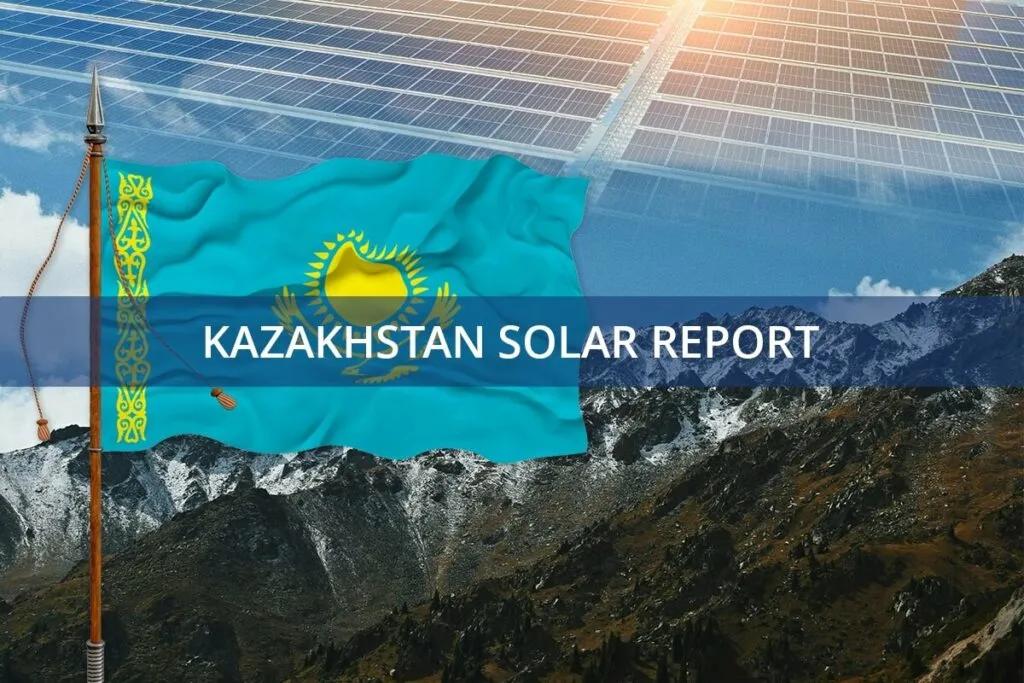
The Asian Development Bank (ADB) has approved a $112 million loan for a combined solar-wind-BESS project in Kazakhstan, aimed at reducing the country’s reliance on fossil fuels and enhancing energy security. This initiative will support Kazakhstan’s goal of achieving carbon neutrality by 2060.
ADB’s Support for the Kazakhstan renewable energy project
The Asian Development Bank (ADB) has approved a loan to support Kazakhstan’s first-ever hybrid renewable energy project, which combines solar, wind, and battery energy storage systems (BESS). The $112 million loan will finance the construction and operation of a 100-megawatt (MW) solar power plant and a 50-MW wind power plant. Crucially, a 30-megawatt-hour (MWh) battery energy storage system will be integrated to ensure a stable power supply.
This pioneering project will be located in the Kyzylorda region of southern Kazakhstan. As a significant step away from the nation’s dependence on fossil fuels, this solar-wind-BESS initiative will help mitigate energy security risks and directly support Kazakhstan’s ambitious climate goals.
Kazakhstan’s Renewable Energy Goals for the Kazakhstan renewable energy project
Kazakhstan has set a bold target to achieve carbon neutrality by 2060, with a medium-term goal of increasing its renewable energy capacity to 30% of the total energy mix by 2030. This is a substantial leap from the current level, where renewables account for only about 3% of the country’s total installed capacity.
The nation is making significant strides to meet these targets. This new hybrid project is part of a larger push, with projections showing a stunning 455 MW growth in renewable capacity in 2025 alone. The country is also aiming for an impressive 6.7 GW goal by 2029, supported by major undertakings like the 545 MW Altyn Dala Project. Existing Kazakhstan solar energy installations are already proving their value, and this new 150 MW hybrid facility will play a critical role in reducing greenhouse gas emissions and accelerating the transition from fossil fuels.
Hybrid Renewable Energy Systems in the Kazakhstan renewable energy project
Hybrid renewable energy systems, like the one being developed in Kazakhstan, are at the forefront of the green energy transition. They address one of the main challenges of renewables: intermittency. Solar panels only generate power when the sun shines, and wind turbines only work when the wind blows. By combining these two complementary sources with a battery energy storage solution, a much more stable and reliable supply of electricity is created.
The BESS component is the key. It stores excess energy generated during peak production times—such as on a sunny and windy afternoon—and discharges it during periods of low generation or high demand, for instance, on a calm evening. This ensures a continuous flow of clean energy to the grid, significantly reducing the need for fossil fuel backup plants.
Environmental and Economic Benefits of the Kazakhstan renewable energy project
The solar-wind-BESS project is poised to deliver substantial environmental and economic benefits. By displacing fossil fuel-based power, it will directly reduce greenhouse gas emissions. This is particularly critical for Kazakhstan, which is currently one of the largest emitters in Central Asia.
Beyond the clear environmental advantages, the project will spur economic development in the Kyzylorda region. The construction and long-term operation of the facilities will create skilled jobs and stimulate local growth. This investment also signals a broader commitment to green technology, fostering innovation in other sectors, as seen with the opening of the country’s first impressive green school. Such flagship projects are expected to attract further private investment in renewable energy infrastructure across the region.
Role of the Asian Development Bank in the Kazakhstan renewable energy project
The ADB’s support for this project is part of its wider strategy to promote clean energy and combat climate change in Central Asia. The $112 million loan represents a significant investment in Kazakhstan’s energy transition. This financial backing is not an isolated event; it reflects a regional trend where development banks are financing similar advanced renewable projects, including large-scale solar and BESS initiatives in neighboring Uzbekistan.
By supporting pioneering projects like this solar-wind-BESS initiative, the ADB helps de-risk investments and build confidence in the market. This involvement is crucial for attracting the additional private sector capital needed to build out the renewable energy infrastructure required to meet the region’s climate goals.
The solar-wind-BESS project in Kazakhstan is a landmark step towards a more sustainable and secure energy future. With the support of the Asian Development Bank, the project will help Kazakhstan reduce its reliance on fossil fuels, lower greenhouse gas emissions, and achieve its renewable energy targets. As the country moves closer to its goal of carbon neutrality by 2060, projects like this will be instrumental in shaping a cleaner, greener energy landscape.
If you are interested in the technical aspects of solar energy, consider enrolling in our free e-course to learn more about the industry.