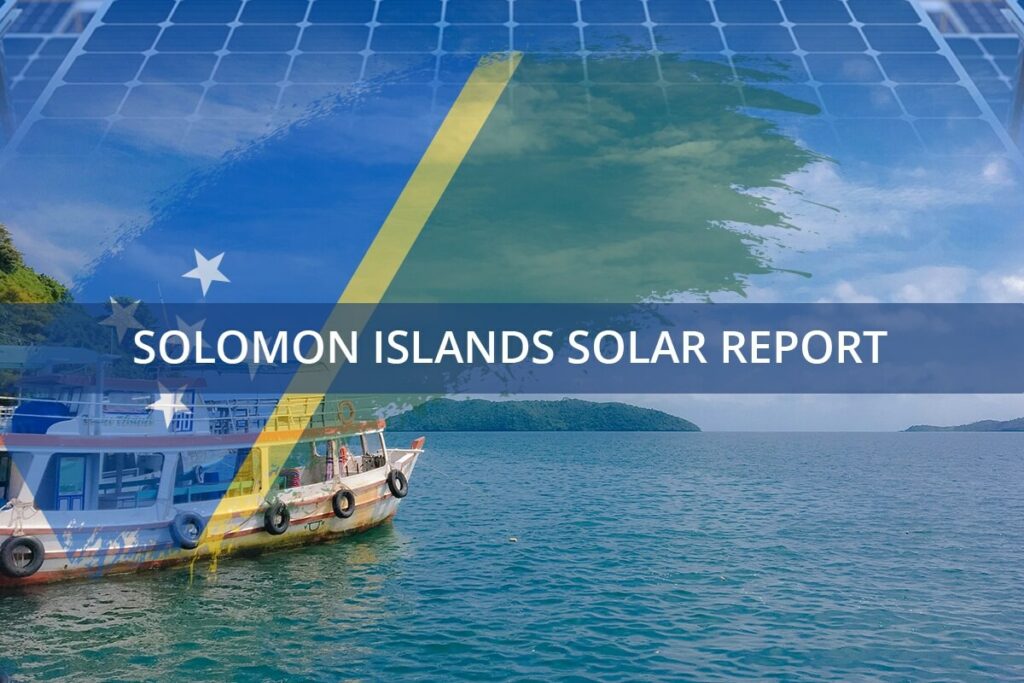
The Asian Development Bank (ADB) is backing a major 3 GWh solar project in the Solomon Islands with a comprehensive funding package. This initiative is a critical step for a nation where renewables currently account for only 2% of the energy mix. The project is expected to slash electricity generation costs by an average of 58% and propel the Solomon Islands Electricity Authority (Solomon Power) toward its ambitious goal of generating 100% of its electricity from renewable sources by 2030.
Solomon Islands solar project Overview
The project, named the Solomon Islands Renewable Energy Project, will install at least 3 GWh of solar generation capacity, complemented by a battery energy storage system (BESS). This new infrastructure, with facilities planned for the Guadalcanal and Malaita provinces, will replace the nation’s reliance on expensive and environmentally harmful diesel-based electricity generation.
The introduction of solar power is projected to reduce electricity generation costs significantly, saving Solomon Power approximately $4.6 million annually. A clear understanding of the plant cost breakdown for such projects highlights the long-term economic advantages. This reduction in costs will not only benefit Solomon Power but also its customers, contributing to greater economic stability and environmental sustainability by reducing vulnerability to volatile global fuel prices. The basics of solar panel manufacturing show how this technology has become increasingly affordable and efficient for large-scale deployment.
Goals of the Solomon Islands solar project
This solar project is a cornerstone of the Solomon Islands’ strategy to achieve 100% renewable electricity generation by 2030. By displacing imported diesel fuel, the project will help stabilize electricity prices and substantially reduce the country’s carbon footprint. It also aims to support wider energy sector reforms and create an environment that encourages public-private partnerships.
“The Solomon Islands Renewable Energy Project is a game-changer for Solomon Power and the country,” said a spokesperson from Solomon Power. “This project will reduce our dependence on expensive diesel fuel, lower electricity costs for our customers, and help us achieve our renewable energy goals.”
The project is part of a broader national effort to modernize energy infrastructure. The inclusion of a BESS is crucial, ensuring that the power supply remains stable and reliable even when the sun isn’t shining. The success of such systems depends on a robust solar panel manufacturing process that ensures durability and high performance over the project’s lifespan.
ADB’s Role in the Solomon Islands solar project
The Asian Development Bank (ADB) has been instrumental in bringing the Solomon Islands Renewable Energy Project to fruition. Rather than a single loan, the ADB has facilitated a multi-faceted funding package. This includes a $10 million loan from the ADB, a $5 million grant from the Asian Development Fund, and $10 million in co-financing from the Saudi Fund for Development.
The ADB has been a long-standing partner of the Solomon Islands in its efforts to improve its energy infrastructure. This latest project is a key part of the ADB’s broader strategy to support sustainable development and climate resilience across the Pacific region.
“We are proud to support the Solomon Islands in its transition to renewable energy,” said an ADB representative. “This project will reduce electricity costs, improve energy security, and help the country achieve its climate goals.”
Future Prospects for the Solomon Islands solar project
The successful implementation of this solar project is expected to pave the way for further investments in renewable energy in the Solomon Islands. It is a vital piece of a larger puzzle, complementing other major initiatives like the Tina River Hydropower Project, which is set to supply 68% of the renewable energy to the capital Honiara’s grid. Together, these projects create a clear and viable path toward the 2030 goal. The development of such large-scale facilities relies on sophisticated solar panel manufacturing machines capable of producing the vast number of panels required.
The Solomon Islands Renewable Energy Project represents a significant leap towards a more sustainable and resilient energy system. By cutting electricity generation costs and lowering the country’s carbon footprint, the project will contribute to the long-term economic and environmental well-being of the nation.
The project is expected to be completed by 2026, with the new solar capacity and battery storage system coming online shortly thereafter. Once operational, it will provide a reliable and cost-effective source of clean electricity, securing the country’s energy future and reducing its dependence on imported fossil fuels.
If you’re interested in learning more about the technology behind such transformative projects, consider enrolling in our free e-course on solar panel manufacturing.