Mongolian Startup URECA Transitions Yurts from Coal to Solar with EBRD Support
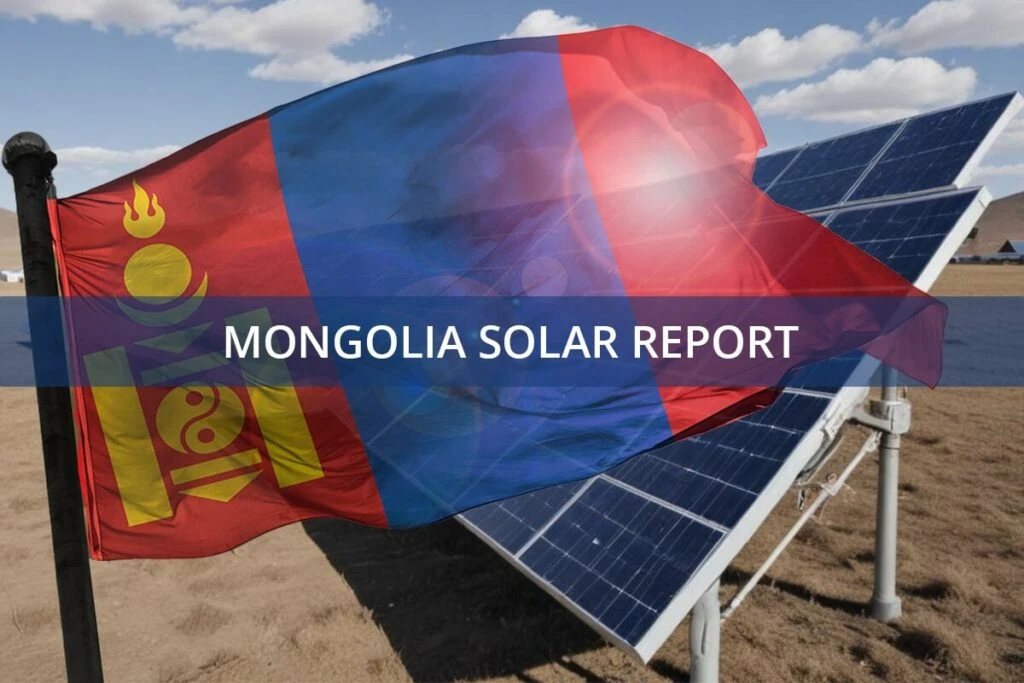
In the heart of Mongolia, where tradition meets the urgent need for modernity, a groundbreaking initiative is changing how families live and breathe. Ulaanbaatar, the nation’s capital, is notorious for having some of the most polluted air in the world, largely due to the widespread use of coal for heating, especially in the traditional ger (yurt) districts. A local climate tech startup, URECA, is tackling this environmental crisis head-on, empowering residents to switch from fossil fuels to clean solar energy, thanks to pivotal support from the European Bank for Reconstruction and Development (EBRD).
The Challenge: A Cloud of Coal Over Ulaanbaatar and Mongolian solar yurts
For countless families living in gers, the traditional portable homes of Mongolian nomads, the harsh winters leave little choice but to burn raw coal for warmth. This practice, while essential for survival, comes at a devastating environmental cost. A single coal-dependent household can produce an estimated 12 to 13 tons of carbon dioxide annually, contributing significantly to the thick smog that blankets the city and poses severe health risks to its inhabitants.
The challenge has always been twofold: providing a reliable and affordable alternative to coal while respecting the traditional ger lifestyle. This is precisely the problem URECA was founded to solve.
An Innovative Solution: Smart, Solar-Powered Gers and Mongolian solar yurts
URECA has developed an integrated system that transforms these traditional dwellings into hubs of clean energy. The approach is multi-faceted, combining physical upgrades with smart technology to create a sustainable ecosystem.
First, the company focuses on energy efficiency by properly insulating the gers. Then, they install a complete renewable energy package, including affordable solar panels, electric heaters, and battery storage. But the innovation doesn’t stop there.
Each system is equipped with IoT (Internet of Things) sensors and powered by artificial intelligence to monitor energy consumption and air quality in real-time. These smart sensors track critical parameters at five-minute intervals, providing valuable data that optimizes energy use and performance. In effect, each equipped ger becomes a small, self-sufficient virtual power plant. This decentralized network can even work in tandem with the main power grid, helping to prevent overloads during peak hours and ensuring households remain powered during periods of grid stress.
Empowering Residents Through Carbon Credits and Mongolian solar yurts
Perhaps the most revolutionary aspect of URECA’s model is how it finances this green transition. The system is designed to automatically calculate the reduction in carbon emissions achieved by switching from coal to solar. This data allows households to generate and sell carbon credits directly through the URECA platform.
As URECA co-founder Orchlon Enkhzetsgeg explains, this business model enables residents to benefit financially from their positive environmental impact. The revenue from the carbon credits helps offset the initial cost of the solar installation, making clean energy not just an environmental choice, but an economically sound one. It creates a self-sustaining cycle where cleaner air directly translates to financial empowerment for the community.
EBRD Support: Scaling for Greater Impact with Mongolian solar yurts
The potential of URECA’s innovative solution has been recognized by the European Bank for Reconstruction and Development (EBRD). Through its Star Venture program, which champions promising startups, the EBRD is providing support to help URECA scale its operations and expand its climate solutions. This backing serves as a powerful endorsement, signaling that the startup has achieved the viability and scale necessary to make a significant, lasting impact on Mongolia’s environmental landscape.
By blending traditional living with cutting-edge technology and a sustainable financial model, URECA is not just clearing the air in Ulaanbaatar—it’s paving the way for a brighter, cleaner, and more prosperous future for the residents of Mongolia’s gers.