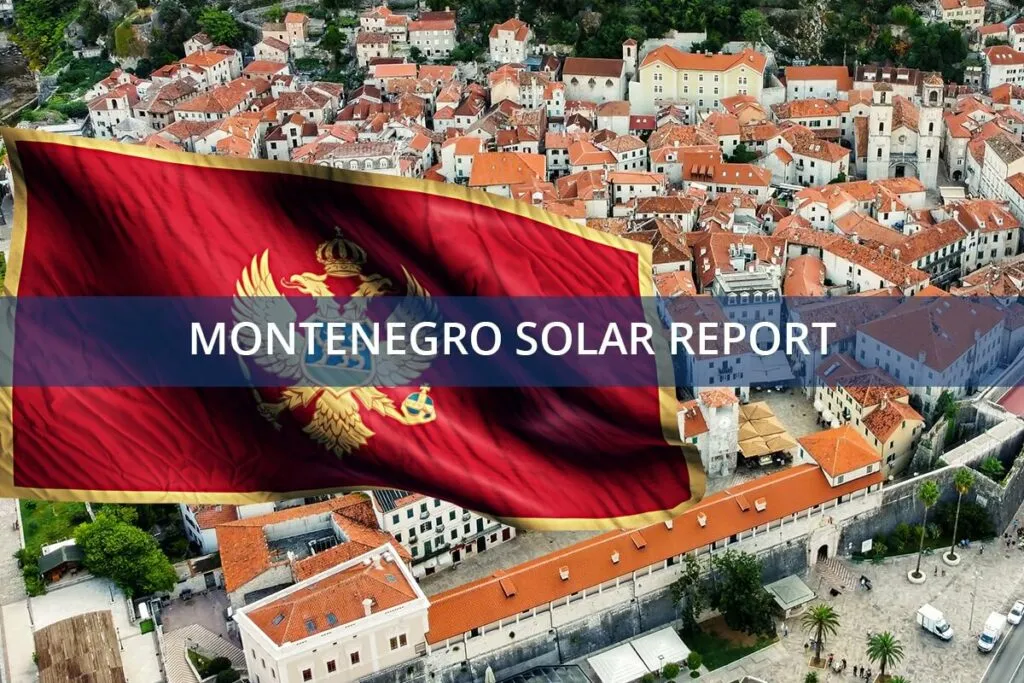
Montenegro is navigating a critical juncture, balancing its ambition for European Union integration with the economic realities of its industrial backbone. The nation is actively negotiating a delay in implementing the EU’s Carbon Border Adjustment Mechanism (CBAM), a policy that could significantly impact its coal-reliant and heavy industries. At the same time, Montenegro is accelerating its push toward a greener future by expanding its renewable energy capacity.
Montenegro Faces Challenges with CBAM: The Need for a Postponement
Montenegro is formally seeking a delay or a potential exemption from the EU’s Carbon Border Adjustment Mechanism, citing the substantial economic adjustments required due to its reliance on coal and heavy industry. With the definitive phase of CBAM set to begin on January 1, 2026, the stakes are high. The mechanism is designed to prevent “carbon leakage”—where EU companies move carbon-intensive production abroad to less strict jurisdictions—by taxing imported goods based on their embedded carbon emissions.
As an EU candidate country, Montenegro finds itself in a particularly vulnerable position. Minister of Energy and Mining Admir Šahmanović has confirmed that negotiations are ongoing at both European and regional levels. In a demonstration of regional solidarity on the issue, Montenegro and Bosnia and Herzegovina jointly requested a postponement of CBAM’s application at a recent Energy Community Ministerial Council meeting.
The Montenegrin Chamber of Commerce is spearheading these discussions, aiming to secure a delay until at least 2030. The argument is that Montenegro, like other Western Balkan nations on the path to EU membership, needs more time to align its industries with the EU’s stringent climate standards. However, the European Commission has so far remained firm, emphasizing CBAM’s role in protecting EU industries and upholding global climate goals.
Renewable Energy Projects in Montenegro Amid CBAM Postponement Discussions
While negotiating for flexibility, Montenegro is making significant strides in its green energy transition. A key development is a Memorandum of Understanding signed with the International Finance Corporation (IFC) to develop a portfolio of renewable energy projects, including new wind farms, hydropower plants, and large-scale solar power plants.
These projects are central to Montenegro’s strategy to reduce its carbon footprint and align with EU energy targets. The IFC’s involvement will bring crucial technical assistance and help mobilize private sector investment. The development of new solar capacity is particularly noteworthy; bringing these projects to life requires a deep understanding of the entire solar panel manufacturing process, from sourcing the right raw materials to the final assembly.
Despite these ambitious plans, the country’s energy sector faces deep-rooted challenges. Montenegro’s heavy dependence on the Pljevlja Thermal Power Plant for electricity generation remains a major hurdle. While the national goal is to phase out coal by 2035, the transition is complex. The government and the state power utility, Elektroprivreda Crne Gore (EPCG), are coordinating their efforts, using these substantial investments in renewables as a key argument in their CBAM negotiations to demonstrate a firm commitment to the energy transition.
Impact on Montenegrin Industry: Considering a CBAM Postponement
The implementation of CBAM will directly impact a wide range of industries vital to the Montenegrin economy. The mechanism specifically targets imports of cement, iron, steel, aluminum, fertilizers, electricity, and hydrogen—sectors heavily reliant on exports to the EU market. A carbon tax on these goods would increase their cost, potentially eroding the competitiveness of Montenegrin products within the single market.
The Montenegrin Chamber of Commerce has voiced particular concern over the economic consequences for the aluminum industry, a cornerstone of the nation’s industrial output. The Chamber continues to urge the European Commission to recognize Montenegro’s unique position as a candidate country and grant it the necessary time to adapt its industries without causing severe economic disruption.
Future Prospects: Montenegro’s Path with CBAM Postponement in Mind
Montenegro’s dual strategy of negotiating CBAM terms while aggressively pursuing renewable energy showcases the complex dynamics of the energy transition in the Western Balkans. The country’s reliance on legacy industries presents formidable challenges, but its proactive steps signal a clear determination to align with EU climate policy.
The ultimate success of Montenegro’s energy future will hinge on its ability to strike a delicate balance between the immediate economic pressures of CBAM and its long-term renewable energy ambitions. The ongoing negotiations with the European Commission, combined with strategic collaborations with partners like the IFC, will be decisive in shaping the country’s economic and environmental landscape for years to come.
As nations like Montenegro pivot towards green energy, understanding the fundamentals of these technologies is more important than ever. To learn more about the foundations of solar energy production, you can explore this free e-course on the basics of solar panel manufacturing.