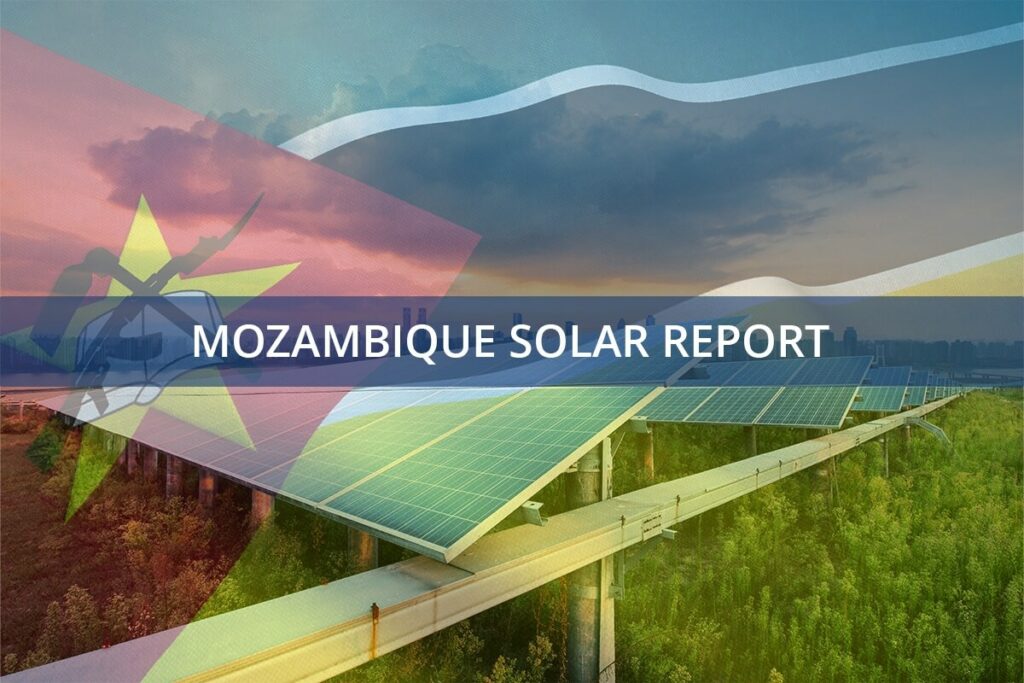
Mozambique’s Mswaíze Solar PV Project Updated in February 2026
Mozambique continues to advance its renewable energy ambitions, with new information emerging about key solar initiatives. Among these is the Mswaíze Solar PV project, a state-owned venture that represents a critical component of the nation’s strategy to harness clean energy. As of late February 2026, the project has been updated, signaling ongoing activity in Mozambique’s burgeoning solar sector.
Latest Update: The Mswáize Solar Mozambique Initiative
According to the latest data from African Energy’s project database, the Mswaíze Solar PV project was officially updated on February 26, 2026. The most significant detail confirmed in this update is the project’s ownership structure: it is a state-owned enterprise. This classification highlights the government’s direct involvement and commitment to expanding the national energy grid through renewable sources.
While the update confirms the project’s active status in energy sector tracking, specific details regarding its generation capacity, current development phase (such as planning, construction, or operational), and projected timeline are not yet publicly available in this entry.
Mswáize in Mozambique’s Growing Solar Landscape
The Mswaíze project does not exist in a vacuum. It is part of a larger movement across Mozambique and the African continent to embrace solar power. The same industry database notes other developments in the country, including the 2.4 MW GridX and Ncondezi Solar PV independent power producer (IPP) projects, which were updated on February 27, 2026.
This activity is reflective of a continent-wide trend. In 2024 alone, Africa commissioned 5 GW of new solar capacity, contributing to a total operating power capacity of 270,634 MW across the continent. The development of projects like Mswaíze is crucial for Mozambique to contribute to and benefit from this continental energy transformation.
What’s Next for Mswáize Solar Mozambique?
As a state-owned project, Mswaíze holds strategic importance for Mozambique’s energy security and sovereign development goals. Such projects often play a foundational role in national infrastructure, aiming to provide stable, long-term power and reduce reliance on volatile fossil fuel markets.
Stakeholders and industry observers will be closely watching for further announcements that provide more concrete details on the Mswaíze Solar PV project’s scale and progress. Its development will be a key indicator of the pace and direction of Mozambique’s public-sector investment in the clean energy transition. As more information becomes available, the full impact of this vital solar initiative on the nation’s energy future will become clearer.