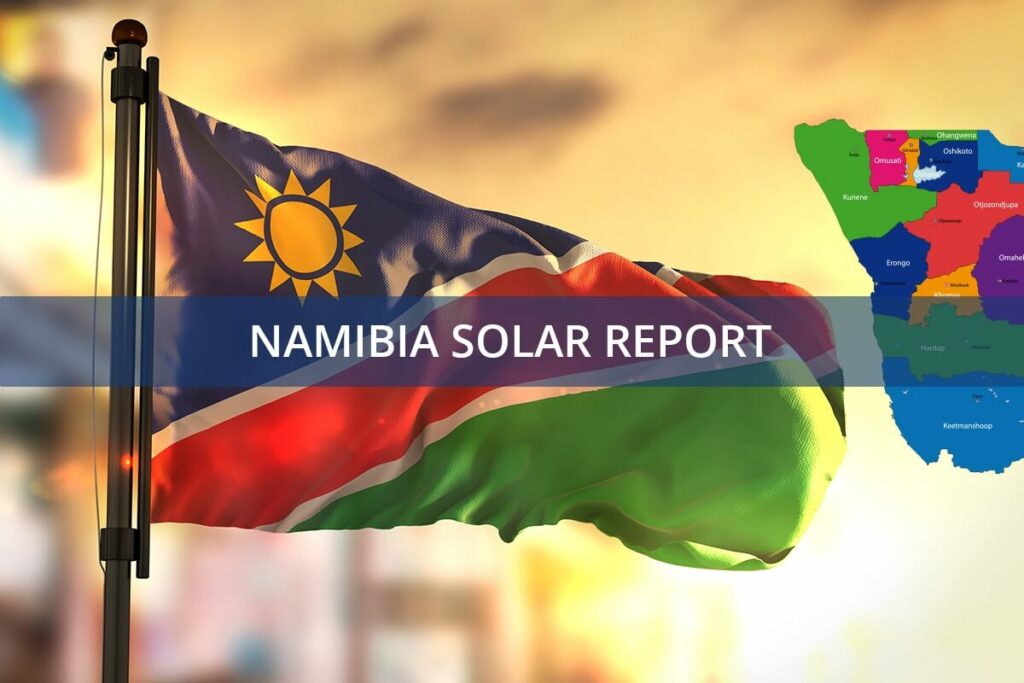
Namibia is taking a significant stride in expanding its solar power capacity with the development and operation of the Maxwell Solar Plant. This groundbreaking project is not just a plan on paper; an initial 10 MW phase has been operational since April 2025, supplying clean energy directly to B2Gold’s Otjikoto gold mine. The project, a model for public-private partnerships involving entities like Sustainable Power Solutions (SPS) and NamPower, is slated for expansion to 25 megawatts, with a full connection to the national grid anticipated by March 2025.
Boosting Solar Energy with the Namibia solar plant
The Maxwell Solar Plant is a cornerstone of Namibia’s strategy to boost its renewable energy capacity and achieve its ambitious goal of generating 80% of its energy from renewable sources by 2030. As detailed in the Namibia Solar Panel Manufacturing Report, the nation has immense solar potential, and this project is a critical step in harnessing it. The plant’s success is expected to significantly reduce Namibia’s reliance on electricity imports, particularly from South Africa’s Eskom, and help stabilize the domestic energy supply.
Located near Windhoek, the Maxwell Solar Plant will feature advanced solar technologies to enhance efficiency and reliability. The full manufacturing process of its components is designed for durability in the Namibian climate. The planned expansion includes a battery energy storage system (BESS) with a capacity of 13 megawatt-hours, which will be crucial for managing fluctuations in solar power generation and ensuring a steady supply of electricity to the grid.
The inclusion of a BESS represents a significant leap forward in Namibia’s renewable energy strategy. It directly addresses one of the key challenges of solar power: intermittency. By storing excess energy generated during peak sunlight hours, the system can release power during periods of low solar output, such as at night or on cloudy days, thereby ensuring grid stability.
Reducing Electricity Imports with the Namibia solar plant
Namibia currently imports a substantial portion of its electricity from neighboring countries, making its energy supply vulnerable to external disruptions. The Maxwell Solar Plant is set to change this dynamic by enhancing the country’s energy security. The initial phase is already proving the viability of the “wheeling” mechanism under the Modified Single Buyer (MSB) framework, which allows private producers to transmit power to corporate customers through the national grid.
By generating clean energy domestically, Namibia decreases its reliance on fossil fuel-based power from other nations, aligning with global efforts to reduce carbon emissions and combat climate change. The Maxwell Solar Plant is a leading example among several renewable energy projects underway in Namibia. The country is also actively exploring other renewables, such as wind and biomass, to diversify its energy mix and cement its energy independence. Understanding the basics of solar panel manufacturing highlights how this domestic production can foster a self-sufficient energy ecosystem.
Supporting Economic Growth with the Namibia solar plant
The construction and operation of the Maxwell Solar Plant are powerful catalysts for economic growth in Namibia. The project creates valuable employment opportunities in construction, engineering, and maintenance, contributing directly to local economic development. The engineering feats require sophisticated manufacturing machines and skilled operators, further building the nation’s technical capacity.
Beyond direct job creation, the plant is poised to attract significant further investment into Namibia’s renewable energy sector. A clear understanding of the plant cost breakdown for such projects helps potential investors see the opportunities. By successfully implementing this public-private model, Namibia is positioning itself as a regional leader in clean energy production. The Maxwell Solar Plant represents a crucial milestone in the country’s journey toward a more sustainable and self-reliant energy future.
With parts of the plant already operational and expansion underway, Namibia is firmly on track to meet its ambitious renewable energy targets. As the country continues to invest in renewable infrastructure, it is poised to become a model for sustainable development in Africa. The Maxwell Solar Plant is a foundational element of Namibia’s renewable energy transformation, paving the way for a cleaner, greener, and more prosperous future.
To learn more about the intricacies of bringing solar projects like this to life, you can explore our Free E-Course on solar panel manufacturing.