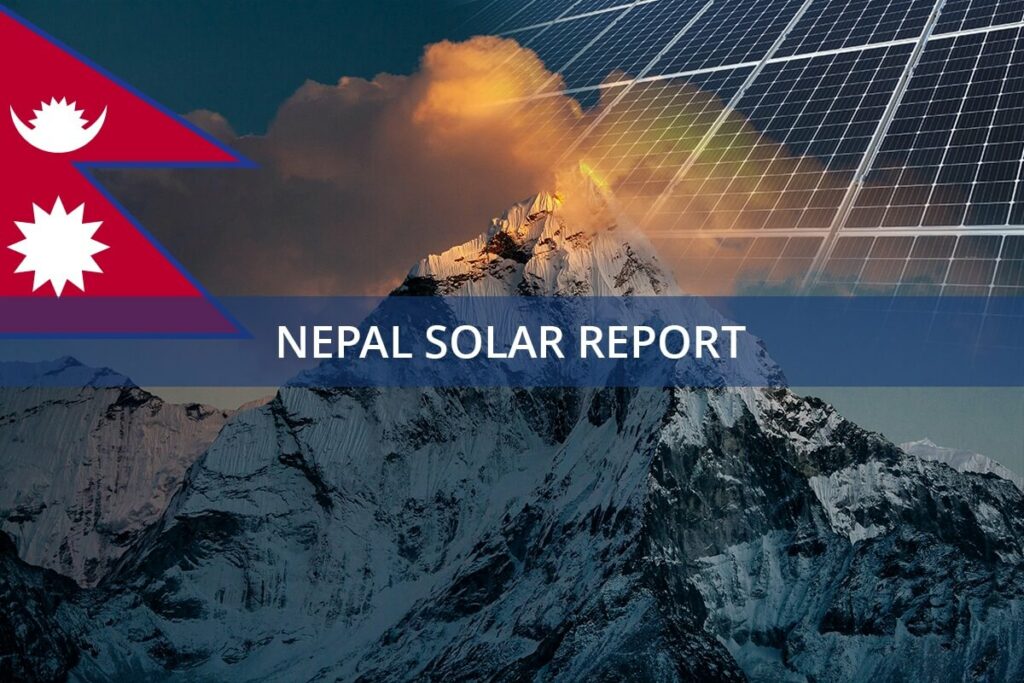
In the remote Himalayan district of Humla, chronic power shortages have long stifled progress, leaving communities in the district headquarters of Simkot facing persistent outages. This energy scarcity stands in stark contrast to the region’s immense potential. Humla is located within the Karnali Province, an area boasting an estimated 18,000 megawatts of hydropower potential, yet only a minuscule 10 MW has been tapped. Now, a strategic shift towards decentralized solar power promises a sustainable path to finally illuminate this isolated region.
Tapping the Sun: Decentralized Solar in Humla
For regions like Humla, the logistical and financial barriers to extending the national power grid are formidable. The mountainous landscape makes conventional infrastructure development a monumental task. Solar energy offers a powerful and pragmatic alternative. As studies on mini-grid performance in Nepal have shown, decentralized solar PV systems can provide reliable electricity directly to communities, bypassing the need for extensive transmission lines. This approach is not just a proposal; grassroots efforts like those by the Bodhi Tree Foundation are already demonstrating the viability of solar projects in Humla, laying the groundwork for larger-scale implementation.
A Vision for Mountain Development
The push for solar energy in Simkot is being championed by local leaders, including former Karnali Provincial Assembly member Dr. Rokaya, who see it as a cornerstone for regional development. This initiative is part of a more comprehensive vision to establish a Mountainous Region Development Authority. Such an entity would focus on creating tailored strategies for Nepal’s highlands, addressing their unique infrastructural deficits. The Humla solar project could serve as a crucial pilot, proving a scalable model for energy independence that could be replicated across other underserved mountain districts.
Powering Sustainable Progress
By investing in solar technology, Nepal can overcome geographic hurdles and deliver clean, reliable power where it is most needed. This transition aligns with broader national goals of scaling up decentralized clean energy services and fostering a sustainable future amidst climate challenges. Successfully ending the power outages in Humla would do more than just light up homes; it would energize local economies, improve essential services like healthcare and education, and empower one of Nepal’s most remote communities to build a brighter, more resilient future.
Sources
- Universalizing Clean Energy Access in Nepal
- Karnali’s Untapped 18,000 MW Power Potential
- Nepal’s Clean Energy Transition and Climate Challenges
- A Deep Dive into Scaling Up Decentralized Energy in Nepal
- South Asia Power System Expansion Project
- Bodhi Tree Foundation’s Solar Initiative in Humla
- Performance Analysis of Solar PV Mini-Grids in Nepal