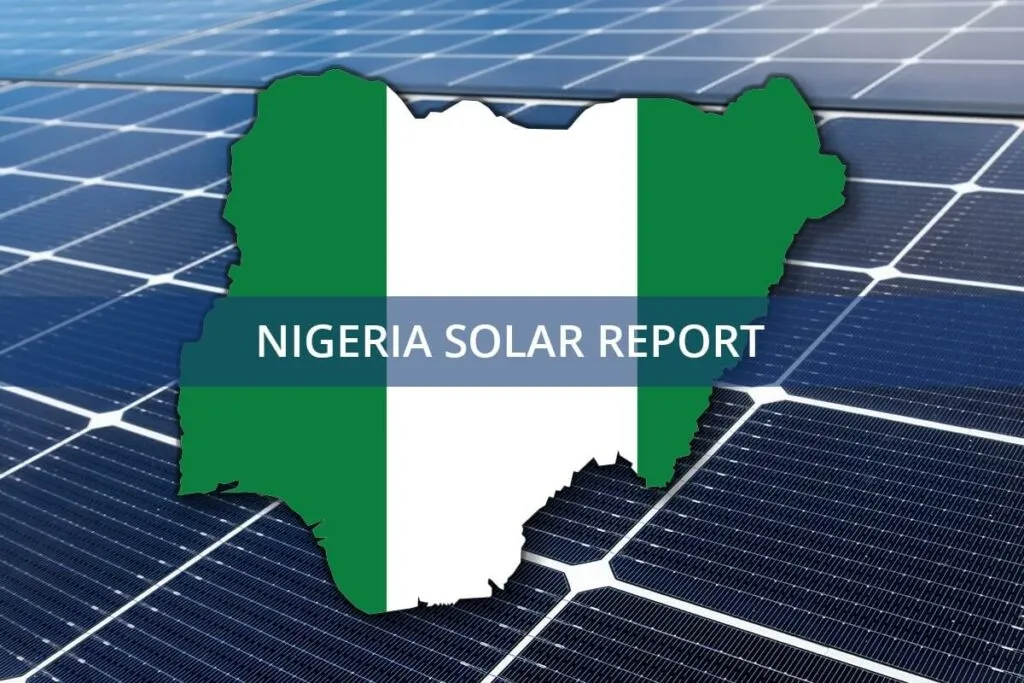
The Federal Government of Nigeria plans to introduce a distributed solar power model in the northern states, creating independent solar energy systems for each state. This new model will reduce reliance on the national grid and improve electricity access by harnessing the region’s abundant sunlight.
How the Solar Power Model Works
The Federal Government of Nigeria is set to revolutionize the electricity supply in its northern states by introducing a distributed solar power model. Announced by Power Minister Adebayo Adelabu, this new approach aims to improve access to reliable and sustainable power by capitalizing on the region’s abundant sunlight.
The distributed solar power model involves setting up solar-powered embedded utilities in each northern state. This plan will give each state its own solar energy system, reducing dependence on the national grid and helping to ensure an uninterrupted electricity supply.
This approach aims to increase energy efficiency and reliability for residents in the northern part of the country. Adelabu emphasized that it would also enhance energy security by isolating each state’s power system from disruptions that may affect others.
Initial Rollout and Future Expansion
The Federal Government has already made significant progress in securing contractors and financiers for the project. These stakeholders are ready to install 100 megawatts (MW) of solar power in each of the 20 northern states. The rollout will begin with an initial capacity of 50 MW, which will be scaled up later to the full 100 MW.
Adelabu highlighted the importance of this solar initiative for the North, noting that the region’s ample sunshine makes it an ideal location for solar energy projects. The project is expected to leverage this natural resource to provide a reliable energy source that will meet the area’s growing demand for electricity.
The distributed solar power model also aims to reduce pressure on Nigeria’s national grid, which currently struggles to meet the country’s electricity demands. By easing the energy load from northern states, the national grid can better serve other regions while the North gains a more stable and reliable electricity source.
This model will supply energy to households, offices, institutions, and industrial clusters, ensuring comprehensive coverage. Educational and health institutions, which rely heavily on consistent power, stand to benefit greatly. Industrial clusters—major power consumers—will also see improved productivity thanks to the reliable electricity provided by the solar initiative.
A Cleaner, Brighter Future for Northern Nigeria
The initial 50 MW of solar power for each state will be enough to cover most energy consumption in the northern states. As the project progresses and capacity increases to 100 MW, it will further enhance energy access and support regional economic growth. This project is not only about meeting current energy needs but also about anticipating future growth in demand.
Adelabu expressed optimism about the impact of the solar power scheme on the North. He believes this initiative will transform the energy landscape in the region, providing a cleaner, more sustainable, and reliable power source for millions of Nigerians. With this model, northern states will no longer be solely dependent on the national grid, and residents will benefit from a more consistent electricity supply.
The Federal Government’s distributed solar power model marks a significant step forward in addressing Nigeria’s energy challenges. The project promises to deliver reliable and sustainable electricity to the northern states, reduce pressure on the national grid, and support the country’s shift towards renewable energy.