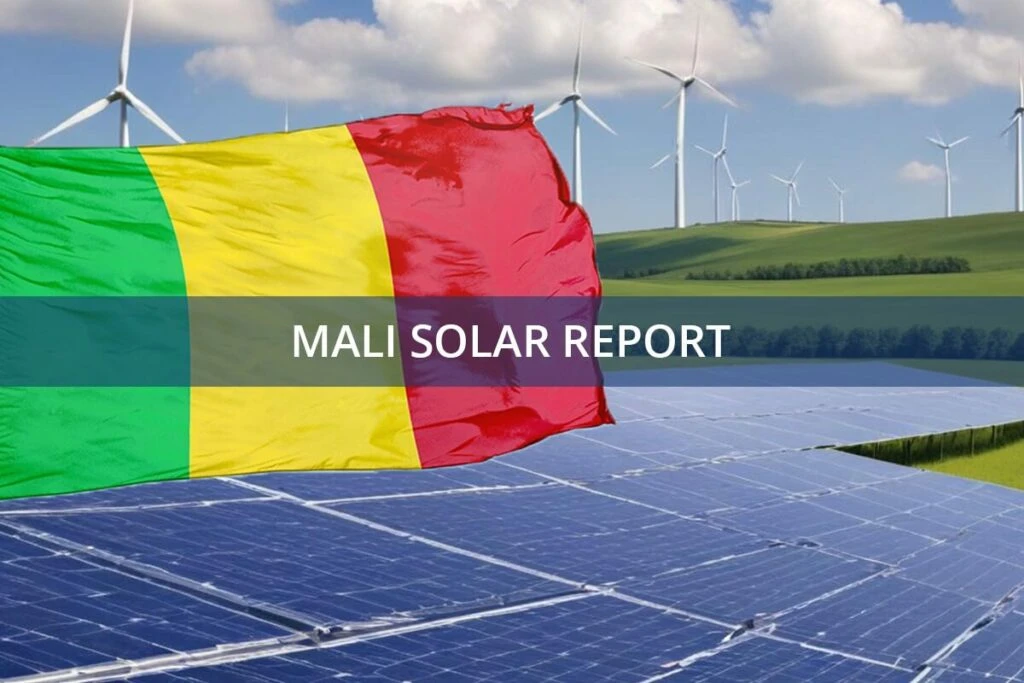
Orange Mali has partnered with the EU and other international bodies to replace its diesel generators with solar energy, aiming to reduce its carbon footprint, lower operational costs, and power the expansion of its digital infrastructure. The project involves installing solar power systems at telecom sites across Mali, significantly cutting diesel consumption and CO2 emissions.
Environmental and Economic Impact of Orange Mali solar power
Orange Mali announced it has secured a €4 million grant from the European Union to accelerate its energy transition. This funding is part of a larger initiative, supported by the International Finance Corporation (IFC), which will cut more than 8,000 tons of carbon emissions annually. This initiative is set to slash diesel usage by over 2.4 million liters per year.
The company aims to achieve a 5% reduction in its carbon footprint and a 10% decrease in energy costs. This move is a strategic response to the rising costs of electricity and fuel, which have significantly impacted telecom operators across the region. Many communities have long relied on expensive and polluting generators for power, a challenge that Mali off-grid solar projects are also working to solve. The shift to solar provides a stable, long-term solution, mirroring a powerful push seen in neighboring countries like the Nigeria solar energy sector.
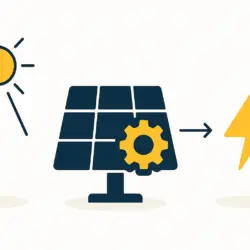
Solar Power System
The project, known as “Solarisation des sites télécoms” (Solarization of Telecom Sites), will install advanced solar power systems at various telecom sites across Mali. The immediate plan is to equip 500 sites with solar power by 2025.
This solarization is a critical component of a broader €80 million investment from the IFC and other partners. This funding will enable Orange Mali to modernize its operations by installing 300 new 4G towers and expanding its fiber network, with half of the new towers being built in rural areas. These solar installations will provide the reliable power needed for this expansion, improving digital access for thousands. This aligns with a wider national strategy to use Mali solar microgrids to boost energy access in remote regions. The success of such installations depends on the quality of the components, which are produced following the complex basics of solar panel manufacturing to ensure efficiency and longevity.
EU’s Commitment to Sustainable Development with Orange Mali solar power
The European Union has demonstrated strong support for sustainable development in Africa, particularly in the energy sector. The grant to Orange Mali is part of the EU’s broader effort to help African countries transition to renewable energy and reduce their environmental impact.
The EU’s support, alongside investment from bodies like the IFC, is crucial for projects that require significant upfront capital but offer substantial long-term benefits. By promoting this transition, international partners not only help reduce operational costs for companies like Orange Mali but also contribute directly to Mali’s energy security and sustainability goals.
Orange Mali’s Long-Term Goals for solar power
Orange Mali’s initiative is part of a growing regional trend. In 2023, Orange Guinea announced a similar project, highlighting a commitment among West African telecom operators to invest in renewables. This move also aligns perfectly with Mali’s national ambitions, including the Digital 2020 strategy and the World Bank Group’s Digital Economy for Africa Initiative.
Furthermore, this corporate effort complements the country’s large-scale public projects. The recent inauguration of the Mali solar power plant in Safo and the ongoing construction of a massive 200 MW solar plant near Sanankoroba demonstrate a clear, nationwide shift toward clean energy.
Orange Mali’s transition from diesel to solar marks a pivotal step in its sustainability journey. With robust support from the European Union and the IFC, the company is poised to significantly reduce its carbon footprint, cut operational costs, and help bridge the digital divide in Mali.
This initiative is a powerful example of how the telecom sector in West Africa is embracing renewable energy to drive both environmental progress and economic growth. As more companies follow this path, the region will make substantial strides in its fight against climate change.
To learn more about the foundations of solar technology and its potential, consider exploring our free e-course on solar panel manufacturing.