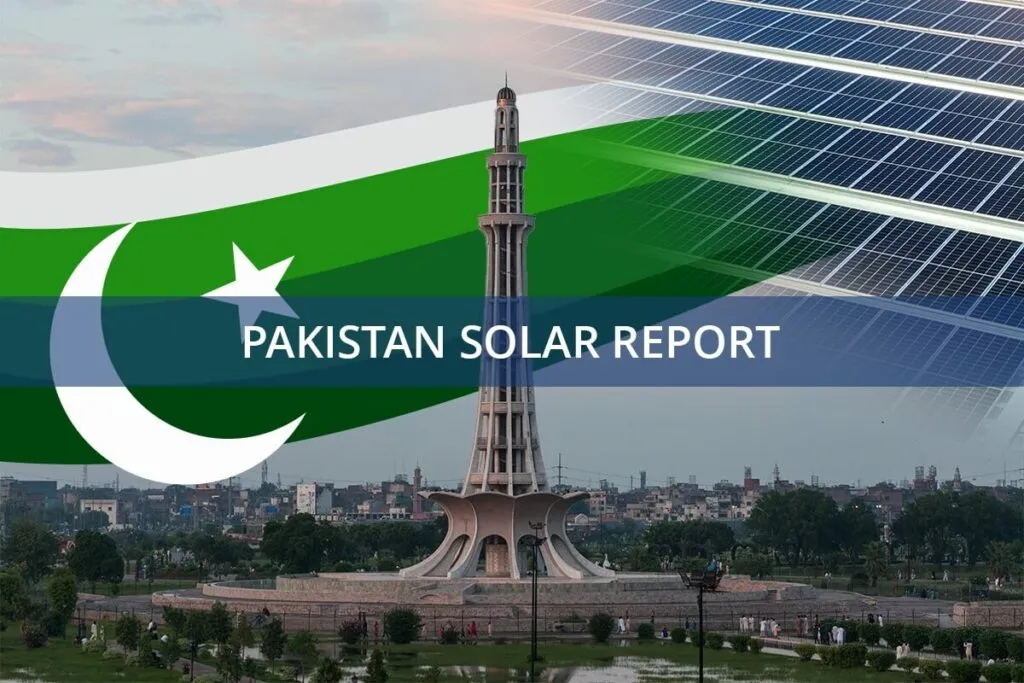
Pakistan has fundamentally altered its rooftop solar policy, a critical shift that gained momentum through 2024 and culminated in the formal replacement of net metering with a net billing system. In early 2026, the National Electric Power Regulatory Authority (NEPRA) approved the Prosumer Regulations 2026, officially replacing the 2015 rules and reshaping the financial landscape for solar energy producers across the country.
The New Financial Reality: Pakistan rooftop solar: Critical 2024 Net Billing Shift
The previous net metering system, which fueled a boom that saw distributed solar capacity surge, allowed consumers to receive a one-to-one credit for surplus energy exported to the grid. Regulators argued this effectively turned the grid into a “free battery” for solar prosumers, creating financial instability. This model led to significant revenue losses for distribution companies (DISCOs), reportedly around Rs. 21 billion in FY2024 alone, as they credited exports at high retail rates while their own utility-scale solar costs were significantly lower.
Under the new net billing mechanism, the financial transactions are separated:
- Energy Imports: Consumers, now termed “prosumers,” must pay the full retail tariff for all electricity drawn from the grid, a rate that can be as high as Rs. 50 per unit including taxes.
- Energy Exports: Compensation for surplus energy sent back to the grid is now credited at a much lower rate determined by NEPRA, not the full retail price.
This change significantly extends the payback period for new installations, shifting the primary financial benefit of solar to daytime self-consumption rather than energy exports.
Differentiated Impact: New vs. Existing Solar Prosumers in Pakistan rooftop solar: Critical 2024 Net Billing Shift
The Prosumer Regulations 2026 apply directly to all new customers installing rooftop solar. However, following public consultation and backlash against initial proposals, the government implemented crucial exemptions for early adopters. Existing net metering customers are now grandfathered in, allowing them to continue under the more favorable one-to-one offset until their original contracts expire. This amendment, finalized in February 2026, was a key concession to protect the investments of those who had already installed systems.
Balancing Growth with Grid Stability in Pakistan rooftop solar: Critical 2024 Net Billing Shift
This policy overhaul arrives as Pakistan’s solar generation capacity continues to expand rapidly, forming a cornerstone of the nation’s energy strategy. The boom was largely driven by consumers seeking refuge from high grid prices and frequent power outages. While the government aims to support these broader national solar initiatives, officials contend the previous model was unsustainable and exacerbated the country’s circular debt crisis.
Critics warn that the reduced financial incentives under net billing could slow the pace of rooftop solar adoption, potentially hindering progress toward renewable energy targets. The debate underscores the complex challenge of fostering decentralized clean energy while ensuring the economic viability of the national power infrastructure. While the technology behind solar power continues to advance, this policy shift demonstrates that regulatory frameworks are often the most critical factor in driving adoption.
The Path Forward with Pakistan rooftop solar: Critical 2024 Net Billing Shift
The transition to net billing marks a pivotal moment for Pakistan’s energy sector. While it aims to correct financial imbalances, it also introduces new considerations for potential solar investors, who may now be more inclined toward hybrid systems with battery storage to maximize self-consumption. The long-term effects of this policy will determine whether Pakistan can maintain its solar momentum while building a more resilient and equitable energy grid.
To better understand the technology driving the industry, from the fundamentals of panel construction to advanced applications, industry knowledge is key. You can deepen your expertise with resources like our e-course on solar panel manufacturing.
Sources for Pakistan rooftop solar: Critical 2024 Net Billing Shift
- Does Net-Billing Align with PML-N’s Solar Promise?
- The Future of Net-Metered Solar Power in Pakistan – IEEFA
- New Net Billing Rules: Solar Users Face Higher Bills » LCCI
- Solar Users to Pay Full Electricity Unit Price Under Latest Net-Billing …
- Pakistan softens solar policy after backlash, exempts existing …
- No more net metering as govt shifts to net billing – Geo News
- Pakistan unveils new net metering rules for rooftop PV – PV Magazine