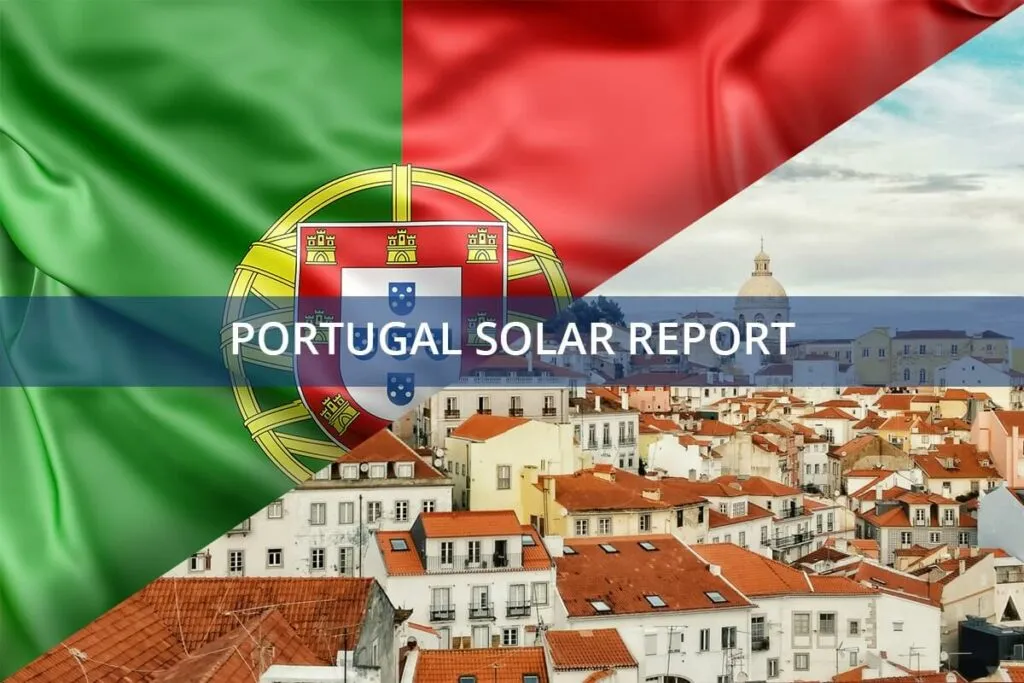
Portugal is strategically positioning itself to become a major green energy exporter by significantly expanding its solar photovoltaic (PV) capacity. According to the International Energy Agency (IEA), Portugal has the potential to achieve an impressive 20 GW of installed solar PV capacity by 2030. Reaching this milestone would allow the nation to export 15% of its electricity, a key part of its broader strategy to generate 85% of its electricity from clean sources. However, with only 3.5 GW currently installed, the country is behind schedule and must accelerate its efforts.
Portugal to Become Green Energy Exporter with Portugal solar energy
To meet its ambitious 2030 target, Portugal needs to ramp up the deployment of solar power significantly. The IEA recommends a medium-term strategy to install at least 1.5 GW of solar PV capacity annually. This acceleration is already showing promise, with recent data revealing an impressive 27% solar rise in production, indicating strong momentum. Achieving this consistent growth is crucial for Portugal to become a net green energy exporter and reach its goal of carbon neutrality by 2050.
The IEA report highlights the critical need for Portugal to improve its permitting process for renewable energy projects. To attract more investment, the country must streamline its procedures, increase transparency, and provide clear guidelines. Supportive government policies, such as the various Portugal’s solar incentives available, are vital for this expansion. Additionally, as renewable energy generation grows, Portugal is focusing on developing its energy storage capacity. With projects totaling nearly two gigawatts of battery capacity already underway, the country is taking concrete steps to ensure a reliable and stable electricity supply.
Portugal’s goal of becoming a green energy exporter is ambitious but achievable. By investing heavily in solar power and modernizing its energy infrastructure, the country can reduce its reliance on fossil fuels and contribute meaningfully to a more sustainable European energy landscape.
Challenges and Opportunities for Portugal solar energy PV Expansion
The IEA report emphasizes the central role of solar power in Portugal’s energy transition. The country is blessed with abundant solar resources and a favourable climate for PV development, presenting a massive opportunity. However, the report also underscores the challenges that Portugal must overcome to fully expand its solar capacity and solidify its Portugal Solar Panel Manufacturing Report.
One of the main challenges remains the current permitting process for renewable energy projects. The IEA recommends that Portugal streamline its procedures to reduce approval times for new projects. Greater transparency and clearer guidelines for investors would not only speed up deployment but also encourage investment in the domestic supply chain, from sourcing solar panel raw materials to final installation.
In addition to improving the permitting process, Portugal needs to continue its focus on developing energy storage capacity. Energy storage is crucial for balancing the grid as the share of intermittent renewables like solar increases. Investing in new battery technologies and grid infrastructure is essential to manage supply and demand effectively, ensuring a reliable supply of electricity around the clock.
Benefits of Solar PV for Portugal solar energy
Expanding solar PV capacity in Portugal offers numerous benefits that extend beyond its borders. First, it would drastically help the country reduce its reliance on imported fossil fuels and lower its greenhouse gas emissions. This is a key step towards achieving its national climate goals and contributing to the EU’s larger objective of carbon neutrality. The plan for Portugal’s solar and other renewables to increase to 51% of its energy mix by 2030 is a testament to this commitment.
Second, increasing solar power capacity would firmly establish Portugal as a green energy exporter. The country could sell its excess clean electricity to neighbouring countries within the increasingly interconnected European grid, generating significant revenue and creating new economic opportunities in the green tech sector.
Finally, investing in solar power will greatly improve Portugal’s energy security. By diversifying its energy sources, the country becomes less vulnerable to the price volatility and geopolitical instability associated with global energy markets. This move aligns with a broader global solar report trend where nations are leveraging renewables to build energy resilience.
In conclusion, expanding solar PV capacity is essential for Portugal’s energy transition and its economic future. By investing in renewable energy, streamlining administrative hurdles, and upgrading its energy infrastructure, the country can become a leading green energy exporter and achieve its goal of carbon neutrality by 2050.
To learn more about the intricacies of bringing solar projects to life, from initial planning to full-scale production, explore our free e-course on solar panel manufacturing.