“`html
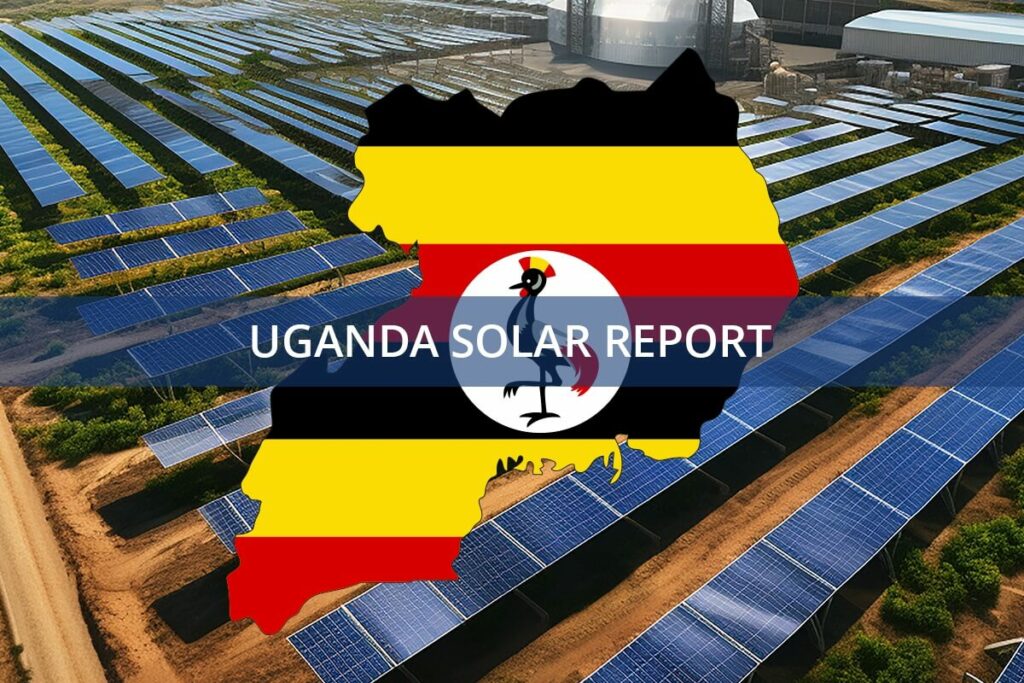
In a significant push towards greater energy access and sustainability, the Ugandan government has rolled out a major initiative to lower the cost of renewable energy products for its citizens. Spearheaded by the Uganda Energy Credit Capitalisation Company (UECCC), the program is a key component of the World Bank-funded Electricity Access Scale-Up Project (EASP), a $638 million endeavor to expand modern energy solutions across the nation.
Understanding Prices of Renewable Energy Products Subsidised in Uganda
The new subsidy scheme, which operates under a Results-Based Financing (RBF) model, provides substantial price reductions on a wide array of products for households, businesses, and agricultural use. Running from November 1, 2024, to June 30, 2027, the program is designed to make clean energy an attainable reality for millions, including those in remote regions and refugee communities.
The price cuts are extensive, covering lighting, cooking, and productive use equipment. Consumers can benefit from a 60% discount on solar lanterns and a 50% subsidy on solar home systems with up to three lights. Clean cooking solutions are also heavily subsidized, with a 40% reduction for ethanol and LPG cookstoves, and a 50% discount on biomass cookstoves and electric pressure cookers. For productive applications, equipment for water pumping, irrigation, and cooling is available at a 60% discount, while biogas systems are reduced by 30%.
Streamlining Access for All Residents
To ensure broad and equitable access, the purchasing process has been simplified. Ugandan nationals need only present a valid national ID at a participating retailer, while refugees can use their official refugee identification. To maximize the program’s reach, each individual is eligible to purchase one subsidized product from each category every two years.
According to UECCC Managing Director Roy Nyamutale Baguma, the distribution network is already robust, with 67 energy service companies participating at launch. He noted that this number is expected to increase to guarantee nationwide availability. “Ugandans can visit any outlet of the listed energy service companies, show their national ID, pay the reduced price, and take home their product,” Baguma stated, emphasizing the program’s user-friendly design. Furthermore, companies that serve hard-to-reach areas will receive extra incentives to expand their operations into underserved communities.
Fostering Economic and Environmental Progress
At the program’s official launch in Kiboga district, Minister of Energy and Mineral Development Ruth Nankabirwa highlighted the transformative potential of the initiative. She underscored its capacity to enhance community well-being, generate household income, and conserve natural resources by reducing dependence on traditional biomass fuels.
The project is already showing promising early results, with sales figures indicating strong public interest: 3,244 off-grid solar products, 4,399 clean cooking solutions, and 112 units of productive energy equipment have been sold since the program began. By removing financial barriers, this initiative not only promotes the adoption of clean technologies but also supports Uganda’s broader sustainable development and energy security goals.
Sources
- Uganda: Govt Subsidizes Prices of Renewable Energy Products
- Mercy Corps Uganda Renewable Energy Strategy 2024-2027
- Accelerating Solar Home Systems in Uganda – Shell Foundation
- Driving Sustainable Energy Solutions in the Humanitarian Sector
- UECCC managing director confirms launch of price subsidy
- UECCC Partners with Energy Service Companies to Extend Price Subsidies
- UECCC’s Price Subsidy Program for Clean Energy Technologies Officially Launched
“`