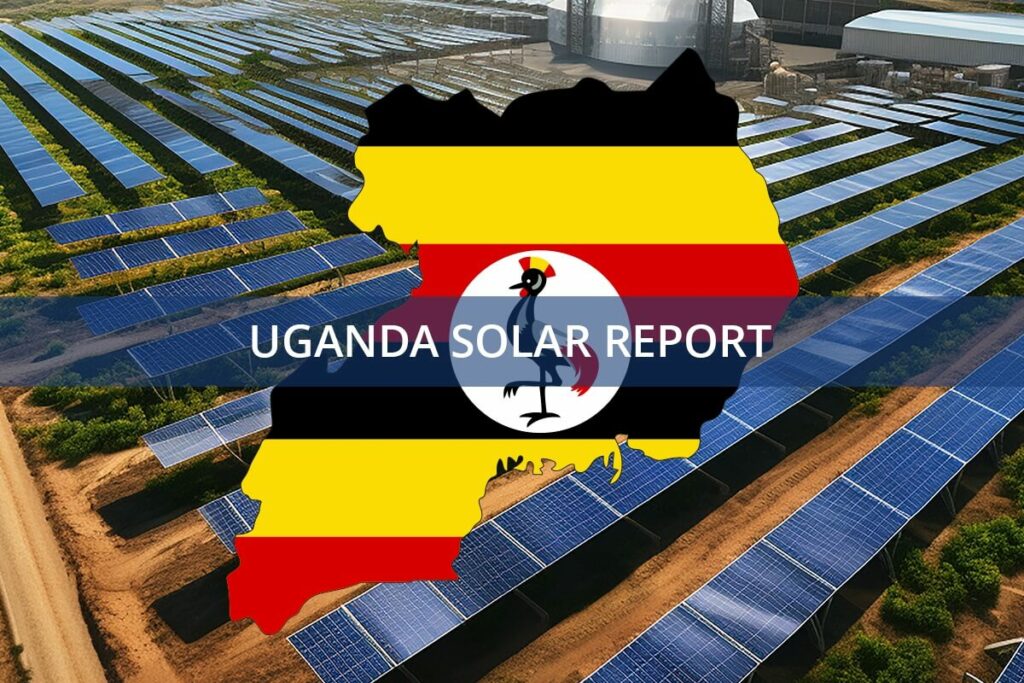
East African Community (EAC) Partner States are advancing efforts to forge a unified regional renewable energy policy, a pivotal step toward securing a sustainable and energy-independent future by 2030. Spearheaded by the East African Centre of Excellence for Renewable Energy and Efficiency (EACREEE), recent dialogues between public and private sector stakeholders aim to harness the region’s vast clean energy potential through a cohesive and investment-friendly framework.
Harmonizing Policy for a Green Transition
The central initiative, a cornerstone of the EAC’s Seventh Development Strategy (2026/27–2030/31), is to create an enabling environment that accelerates the deployment of renewable technologies. Since its establishment in 2016 by the EAC Council of Ministers, EACREEE has been mandated to promote policy harmonization and capacity building across the region. This new policy framework seeks to address existing barriers, streamline regulations, and build on continental guidance like the Africa 2030 roadmap, which targets increasing renewables to 22% of total final energy consumption.
A key focus is leveraging diverse resources, including significant potential for solar, wind, and hydropower. Developing a robust local supply chain is integral to this vision, requiring a deep understanding of the fundamentals of solar panel manufacturing. The policy also champions energy efficiency measures designed to slash overall consumption, reduce reliance on fossil fuel imports, and significantly curb greenhouse gas emissions.
Driving Investment and Regional Cooperation
Attracting significant private sector investment is a primary objective of the proposed regional policy. By establishing clear regulations and incentives, the EAC aims to become a stable and lucrative market for developers. This includes creating a harmonized approach to tariffs and cross-border projects, a strategy that could position the region to capture a share of the USD 70 billion in annual investments IRENA estimates is needed for Africa’s energy transition. For potential investors, grasping the financial details, such as a comprehensive cost breakdown for manufacturing plants, is crucial for market entry.
Regional cooperation is the linchpin of this strategy. By sharing best practices and developing interconnected energy infrastructure, partner states can achieve economies of scale. Models like the one proposed for Rwanda to become a solar manufacturing hub illustrate the potential of a unified market. This collaborative spirit is essential for building strategic industries, an idea also relevant to overcoming import and export challenges, as seen in the case of solar manufacturing in South Sudan. Furthermore, building these partnerships is vital for regional growth.
Building Local Capacity for a Sustainable Future
The policy framework places a strong emphasis on building local capacity to support long-term growth. This includes comprehensive training programs for energy professionals and fostering innovation throughout the entire solar panel value chain. Success will depend on mastering everything from sourcing essential raw materials to operating advanced solar manufacturing equipment.
Ultimately, this landmark initiative aligns with global Sustainable Development Goals, particularly the goal of ensuring universal access to affordable and clean energy. By moving forward with a unified strategy, the EAC is not just aiming to meet its 2030 targets; it is laying the groundwork for enhanced energy security, sustainable economic development, and a greener future for millions. Those looking to participate in this growing industry can benefit from educational resources like this comprehensive e-course on solar manufacturing.
Sources
- EAC ENERGY SECURITY POLICY FRAMEWORK
- The African Energy Transition Strategy and Action Plan – AFREC
- Africa 2030: Roadmap For a Renewable Energy Future – ALER
- Seventh EAC Development Strategy 2026/27 -2030/31
- Objectives and Mandate – EACREEE
- Energy in the East African Community
- National Energy Policy 2025 – 2034
- EAST AFRICAN COMMUNITY – REN21