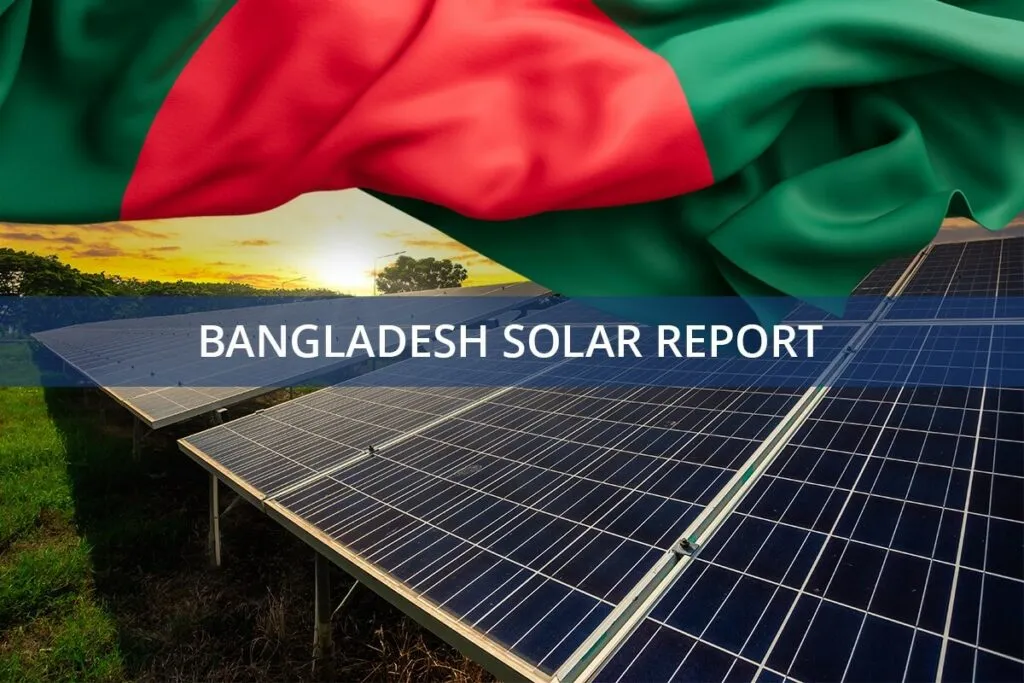
AKH Fashion Ltd has installed a 500kWp rooftop solar system at its factory in Bangladesh, taking a significant step toward sustainable Bangladesh energy solutions in the garment industry. This initiative aligns with the Bangladesh Garment Manufacturers and Exporters Association’s (BGMEA) goal of making factories more eco-friendly and supports the broader global shift toward sustainable manufacturing practices.
Rooftop Solar Installation Collaboration with DESCO
The rooftop solar system was launched on October 7, 2024, in partnership with Dhaka Electric Supply Company Limited (DESCO). AKH Fashion’s managing director, engineer Md. Shafiul Islam (Mohiuddin), and DESCO’s managing director, Md. Moin Uddin, inaugurated the system. This public-private partnership is a powerful example of how collaborative efforts can drive renewable energy adoption in the industrial sector.
Md. Shafiul Islam (Mohiuddin)—who is also the President of the Bangladesh Employers Federation (BEF) and former President of the Federation of Bangladesh Chambers of Commerce & Industries (FBCCI)—highlighted the project’s significance. He noted that the system will save 600,000 units (or 600 MWh) of electricity annually, contributing to the national power grid while reducing the factory’s carbon footprint.
Impact of Rooftop Solar Installation on the Garment Industry
This solar installation is poised to have a significant impact on the garment industry in Bangladesh. It sets a precedent for other factories to adopt renewable energy, reducing their dependency on fossil fuels and lowering greenhouse gas emissions. The move is particularly relevant amid increasing pressure on global supply chains to become more sustainable, as consumers and brands demand greener production practices. Similar projects, like the 3.5 MW rooftop solar system installed by Coles Group and highlighted by PVKnowhow, illustrate this growing global trend.
The project was supported by Akij Tech, which managed the system’s design, supply, installation, testing, commissioning, and maintenance. This partnership between private companies and energy providers is key to advancing renewable energy solutions. Such a comprehensive approach, from design to long-term maintenance, ensures the installation’s effectiveness and sustainability.
Key Figures at the Rooftop Solar Installation Event
The inauguration ceremony was attended by key figures from both the garment and energy sectors. DESCO’s managing director, Md. Moin Uddin, praised the initiative, emphasizing the importance of renewable energy for a sustainable industrial future. His presence highlights the value of government support and collaboration in the transition to cleaner energy.
Md. Shafiul Islam (Mohiuddin) reiterated the garment industry’s commitment to sustainable practices. He noted that this rooftop solar installation is a key step toward the BGMEA’s vision of creating more environmentally friendly factories—a vision that includes reducing energy consumption, minimizing waste, and adopting renewable energy sources. This commitment aligns with the growing global focus on Environmental, Social, and Governance (ESG) criteria in business operations.
Benefits of Rooftop Solar Systems
Rooftop solar systems offer several advantages for factories and industrial facilities. They reduce electricity costs, decrease reliance on the national grid, and lower carbon emissions. The impact on carbon offsetting can be substantial, as seen in other large-scale installations like the one at Dubai Airports (PVKnowhow).
These systems also enhance energy security by providing a reliable power source, which is especially valuable in areas with frequent outages. For more examples of successful rooftop solar projects, see PVKnowhow.
The 500kWp rooftop solar system at AKH Fashion Ltd marks a significant milestone for Bangladesh energy and the country’s push for sustainable industrial practices. It demonstrates how renewable energy can reduce the garment industry’s environmental impact and sets a benchmark for other factories to follow. The project also highlights a growing trend of businesses leveraging existing infrastructure, like rooftops, for renewable energy generation—a strategy also used by retail giants that install solar panels on their warehouses.