Rooftop Solar Pakistan Capacity in Pakistan
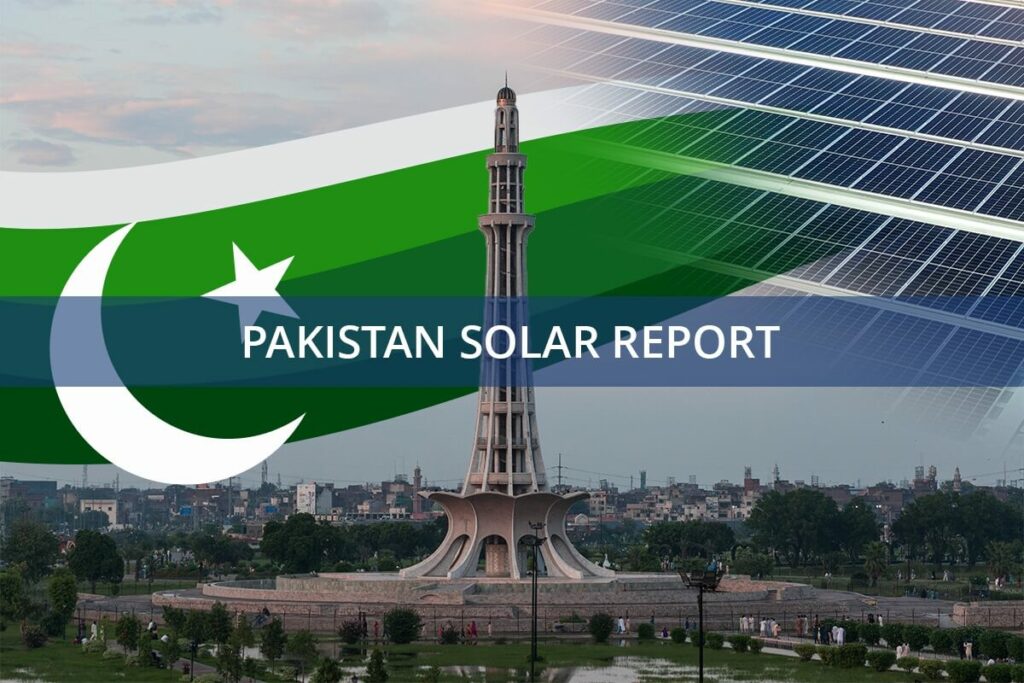
Pakistan’s rooftop solar capacity has surged to an estimated 34,000 megawatts, with around 25,000 megawatts from decentralised, grid-connected installations. This growth was triggered by the Russia-Ukraine war in 2022, which led to soaring fuel prices and made imported fossil fuels unaffordable.
Rooftop Solar Pakistan Government Response and Policy Changes
In response to these challenges, the Pakistani government cut solar import duties to zero, facilitating a dramatic increase in solar adoption across the country. The solar share in Pakistan’s energy mix is projected to jump from 2.9% in 2020 to 32.3% by 2025.
Rooftop Solar Pakistan Impact on Households and Economy
Currently, one in four households in Pakistan utilizes solar energy in some capacity. This transition is estimated to have saved the country billions of US dollars in fuel imports, reducing dependence on costly fossil fuels.
Rooftop Solar Pakistan Regional Trends
The successful increase in rooftop solar capacity serves as a model for other nations in the region. For instance, Bangladesh has set a target of 35,000 MW of rooftop solar capacity by 2030, aiming to replicate Pakistan’s rapid solar expansion efforts.
Rooftop Solar Pakistan Future Projections
As the solar market continues to grow, industry observers indicate that Pakistan’s experience may provide valuable lessons for similar initiatives in neighboring countries and beyond.
Rooftop Solar Pakistan Sources
Related Articles
- Solar initiatives support: Mongolia Commits to Renewable Energy Projects
- Germany solar capacity to increase by 12–16 GW annually through 2031
- India solar capacity 2026: 21 GW Added in First Five Months