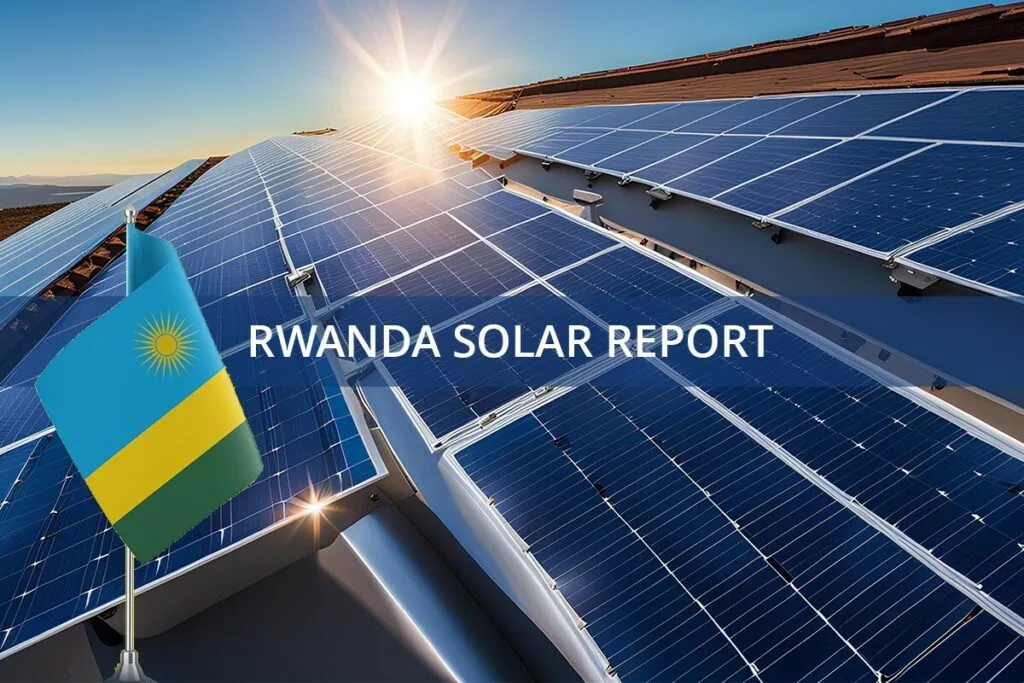
Rwanda is making a monumental stride towards a sustainable future, committing a massive $16 billion to solar energy with the goal of achieving universal electricity access by 2030. This ambitious government plan is not just about powering homes; it’s a strategic move to reduce reliance on fossil fuels, combat climate change, and champion sustainable development across the nation.
The Current Energy Landscape in Rwanda: A Rwanda solar investment Perspective
While Rwanda has made impressive progress, with approximately 82% of its population now having access to electricity, the energy story is nuanced. About 57% of households are connected to the national grid, which is heavily reliant on hydropower. Another 25% utilize off-grid solutions, predominantly solar. However, a significant portion of the population still depends on polluting and hazardous energy sources like charcoal and kerosene for daily needs.
This reliance on hydropower, which currently constitutes 39% of the energy supply, also presents challenges related to energy security, particularly during periods of drought. This makes the strategic pivot to solar not just an environmental choice, but a critical step towards a more resilient energy infrastructure. The nation’s long-term vision is clear: a future where Rwanda’s solar capacity will surpass hydropower, creating a balanced and reliable energy mix.
A Vision for a Solar-Powered Future Through Rwanda solar investment
The $16 billion investment is the cornerstone of a comprehensive strategy to transform the nation’s energy sector. The primary goal is to close the remaining access gap and ensure every Rwandan household has electricity by 2030. This involves a significant expansion of both on-grid and off-grid solar solutions.
A key part of this vision is the plan to add 1,500 MW of solar capacity, a massive leap from solar’s current 1% share of the energy mix. This expansion is already taking shape through tangible efforts, such as the planned Rwanda solar power project 200MW breakthrough set to begin construction. Initiatives like these are central to the broader Rwanda solar energy expansion, which aims to boost reliability and achieve greater energy independence.
Broader Impacts on Health, Climate, and Economy: The Rwanda solar investment
By championing renewable energy, Rwanda is directly addressing critical national and global challenges. The shift away from kerosene and charcoal will significantly improve public health by reducing indoor air pollution, a major cause of respiratory illnesses. Environmentally, this move will lower the nation’s carbon footprint and contribute to global climate action.
Economically, this investment is poised to create new opportunities and foster local industry. The growth of the solar sector will stimulate job creation and could lead to a robust local industry, as detailed in the Rwanda Solar Panel Manufacturing report. Developing a local supply chain requires a deep understanding of the basics of solar panel manufacturing and the associated costs. This initiative serves as a powerful blueprint for Africa’s energy self-reliance, aligning with broader continental goals like the AfDB-World Bank’s Mission 300, which aims to provide electricity to 300 million Africans by 2030.
The investment will support the expansion of solar power and other green energy initiatives, contributing to a cleaner, healthier, and more prosperous future for the nation.
To learn more about the intricacies of bringing such ambitious solar projects to life, explore our free e-course on solar panel manufacturing.