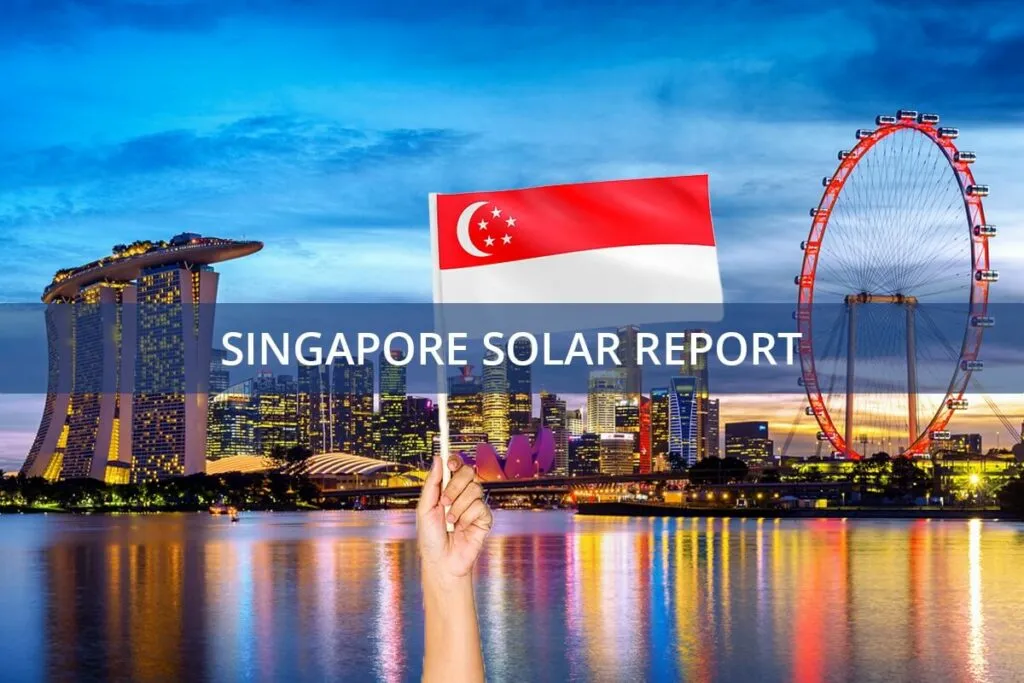
In a groundbreaking S$17.6 billion solar power project, Singapore is set to receive a significant portion of its electricity from Australia through a 4,300 km undersea cable. Led by Sun Cable, the initiative aims to supply up to 15% of the nation’s electricity needs by 2027—a major step forward in its renewable energy strategy.
Transforming Singapore’s Renewable Energy Landscape
Known as the Australia-Asia PowerLink (AAPowerLink), the project will harness solar energy from a massive 12,000-hectare farm in Australia’s Northern Territory. This power will be stored in one of the world’s largest battery systems before it’s transmitted to Singapore through the undersea cable. The project demonstrates how innovative technology can overcome geographical barriers to meet global energy demands with renewable energy.
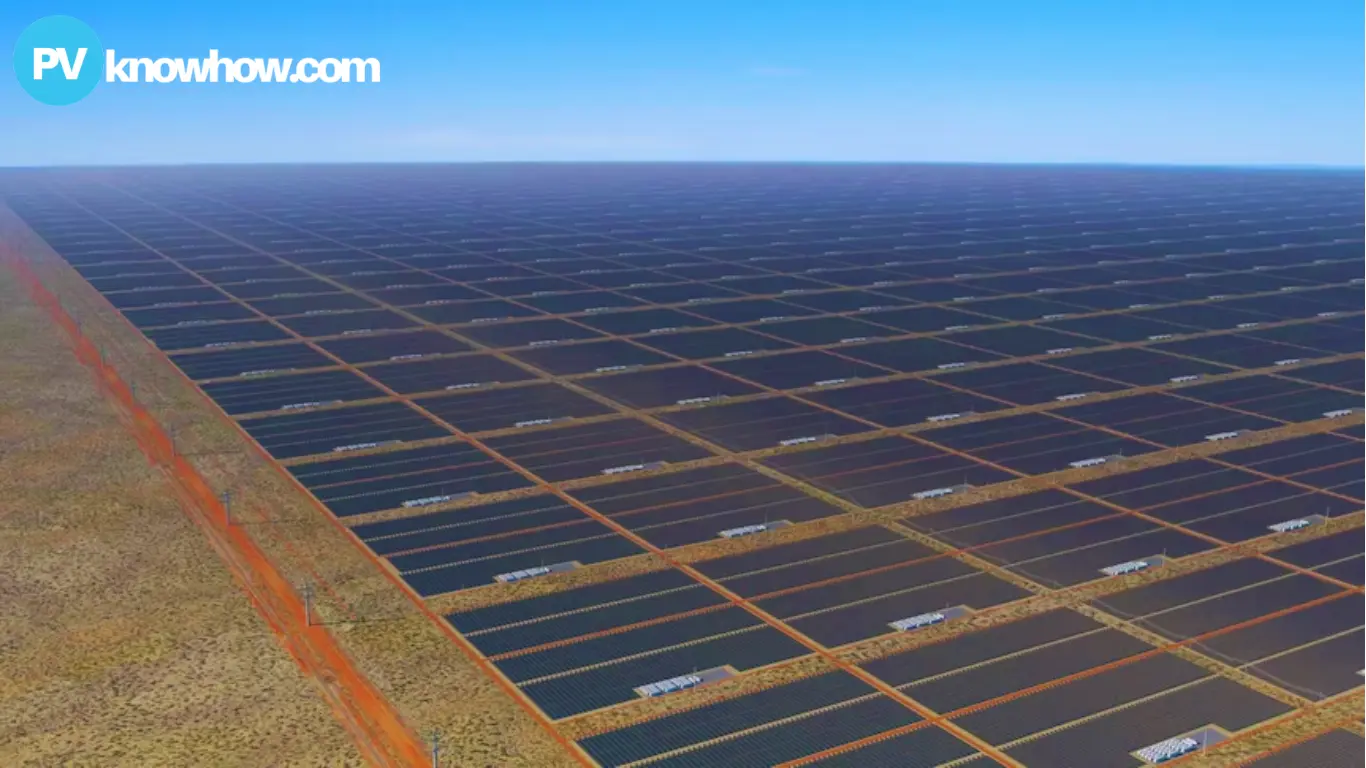
solar farm in Australia’s Northern Territory (Image: Collected)
David Griffin, CEO of Sun Cable, expressed confidence that the project will transform the energy landscape in Southeast Asia.
“This is a pivotal moment for the region, demonstrating that large-scale renewable energy projects are not only feasible but necessary for a sustainable future,” Griffin said. He added that the project would also significantly reduce carbon emissions and contribute to global efforts to combat climate change.
Advancing Singapore’s Renewable Energy Commitment
Singapore’s Energy Market Authority (EMA) has been actively seeking ways to diversify the country’s energy mix and enhance its security. The partnership with Sun Cable aligns perfectly with Singapore’s Green Plan 2030, which outlines targets for adopting more renewable energy and reducing carbon emissions.
EMA Chief Executive Ngiam Shih Chun emphasized the AAPowerLink project’s importance in supporting Singapore’s energy transition.
“This project is a key part of our strategy to enhance energy resilience and sustainability,” Ngiam stated. “It will contribute to our goals of achieving a greener and more sustainable energy future for Singapore.”
Expected to deliver up to 3.2 gigawatts (GW) of solar energy, the AAPowerLink will become one of the most significant renewable energy imports for the nation. Its success could pave the way for further collaborations between countries in the Asia-Pacific region.
Economic and Environmental Benefits of the Solar Energy Project
The economic benefits of the AAPowerLink project extend beyond energy supply alone. It is expected to create thousands of jobs during its construction and operational phases in both Australia and Singapore.
The project also underscores the growing importance of international collaboration as countries work together to meet sustainability targets and fight climate change.
The environmental impact is equally significant. By supplying clean energy to Singapore, the AAPowerLink is expected to offset millions of tons of carbon emissions annually. This reduction in greenhouse gases will contribute directly to global efforts to limit temperature increases and mitigate the effects of climate change.
Challenges and Future Prospects for Singapore’s Renewable Energy Link
While the AAPowerLink project represents a major step forward, it is not without challenges. Constructing the undersea cable—the longest of its kind in the world—presents complex engineering and logistical hurdles. Securing regulatory approvals and ensuring a stable energy supply across such a vast distance will also demand meticulous planning and coordination.
Despite these obstacles, Sun Cable and its partners are optimistic. The project’s successful completion could serve as a model for other nations looking to invest in cross-border renewable energy infrastructure.
As the world grapples with climate change, the AAPowerLink project offers a glimpse into a future powered by renewables. For Singapore, this partnership with Australia marks a significant move toward a more sustainable and secure energy future.