Solar Irrigation Finance Partnerships in Egypt
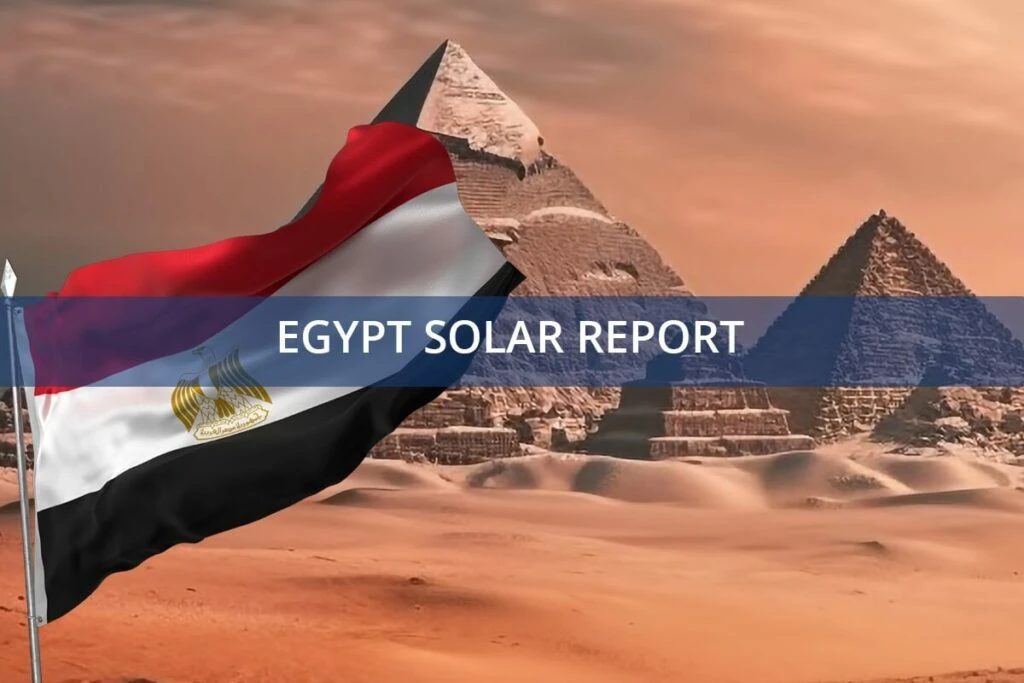
The National Bank of Egypt (NBE) and the Ministry of Social Solidarity (MoSS) have signed an agreement to provide financing for solar energy projects, with a focus on irrigation and land reclamation. The initiative, announced by MoSS, aims to promote sustainable energy practices among small and micro enterprises, particularly those led by youth, women, and marginalized communities. This move mirrors similar global efforts, such as the World Bank’s $12.5 million investment in Uganda’s Solar Energy Transformation for Universal Access (SET4UA) project, which aims to expand solar energy access to 1.4 million people (https://www.pvknowhow.com/news/world-bank-solar-project-uganda-secures-12-5m-for-1-4m-lives/).
Solar Irrigation Finance: Loan Program for Small and Micro Enterprises
The financing agreement offers loans to a diverse range of businesses, including small and micro enterprises, NGOs, and cooperative societies. These loans will primarily support the installation of solar-powered irrigation systems to replace inefficient and environmentally damaging diesel pumps.
This transition to solar energy helps reduce greenhouse gas emissions, lower operating costs, and promote environmental sustainability. The program supports the purchase and installation of solar water pumps, significantly reducing long-term irrigation costs by eliminating the need for diesel fuel. Solar pumps offer a reliable and cost-effective irrigation solution, particularly for small farmers in remote areas with limited electricity access, reflecting the success of programs like Uganda’s solar pump program (https://www.pvknowhow.com/news/advancing-ugandas-solar-pump-program/).
Solar Irrigation Finance for Agriculture and Land Reclamation
The financing prioritizes projects in agriculture and land reclamation, encouraging the adoption of solar energy in rural and underserved areas. By providing affordable loans, the initiative makes solar-powered irrigation systems more accessible to small and micro enterprises, fostering economic development within these communities. The program’s focus on agricultural development through solar energy mirrors successful initiatives like the one in Bolivia, where solar-powered irrigation has fueled an agricultural boom after a water crisis (https://www.pvknowhow.com/news/solar-fuels-agricultural-boom-in-bolivia/).
Beyond agriculture, the loans will also support other solar energy projects that contribute to environmental sustainability and economic growth, promoting renewable energy use across various sectors and reducing Egypt’s reliance on fossil fuels.
Reducing Carbon Emissions with Solar Irrigation Finance
The shift to solar-powered irrigation is expected to significantly reduce carbon emissions. Replacing traditional diesel pumps—a major source of greenhouse gases—with solar energy offers substantial environmental benefits. Solar pumps are not only cleaner but also more efficient, providing a sustainable irrigation solution that aligns with global efforts to combat climate change.
Using solar energy for irrigation also minimizes agriculture’s broader environmental impact by reducing air pollution and the risk of soil and water contamination from diesel fuel. This initiative underscores Egypt’s commitment to sustainable development and environmental stewardship.
Promoting Sustainable Development through Solar Irrigation Finance
This financing program is part of a broader strategy to promote sustainable development in Egypt. By supporting solar energy projects, the initiative directly aligns with the country’s goals of increasing the share of renewable energy in its national energy mix and reducing carbon emissions. It also contributes to economic development by enabling small and micro enterprises to invest in sustainable technologies that lower costs and improve productivity.
The initiative is expected to have a positive impact on rural communities, where affordable and sustainable energy is crucial for economic growth. Increased access to solar-powered irrigation will help small farmers improve their output and reduce their reliance on expensive diesel fuel, contributing to economic empowerment, job creation, and improved livelihoods in these communities.
Future Prospects for Solar Irrigation Finance in Egypt
With the support of the NBE and MoSS, this financing program has the potential to transform Egypt’s agricultural sector. By promoting renewable energy, the initiative is poised to reduce the country’s carbon footprint, enhance environmental sustainability, and support the economic development of small and micro enterprises. This program represents a significant step toward achieving Egypt’s renewable energy targets and reducing its reliance on fossil fuels. By providing affordable financing for solar energy projects, the initiative will help create a more sustainable and resilient agricultural sector, benefiting both the environment and the economy.