The Solomon Islands government has taken a significant step towards a sustainable energy future by issuing a tender for the construction of a 5 MW solar power plant in Honiara. This ambitious project, which includes integrated storage systems to ensure a steady electricity supply, is a cornerstone of a broader initiative to champion renewable energy and curtail the region’s reliance on costly fossil fuels.
Tender Details for the Solomon Islands solar tender
The tender calls for a comprehensive turnkey solution, encompassing the design, supply, installation, and commissioning of a 5 MW solar photovoltaic (PV) plant coupled with a state-of-the-art Battery Energy Storage System (BESS). This crucial project is backed by international financial support from the World Bank and the International Development Association (IDA). Interested bidders are required to submit their proposals by June 3, 2024.
This 5 MW facility represents a monumental increase in the nation’s solar capacity. For context, the International Renewable Energy Agency (IRENA) estimated the total installed solar capacity in the country was just 4.489 MW in 2023. A project of this scale requires a deep understanding of the solar panel manufacturing process and the complex logistics of sourcing components. You can explore a detailed Solomon Islands solar report for more background on the existing infrastructure.
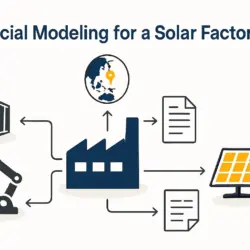
The new solar plant is poised to dramatically reduce the cost of electricity in the Solomon Islands. At present, the nation’s power generation is heavily dependent on imported diesel, resulting in some of the highest electricity prices in the Pacific. By integrating clean energy, this project will not only lower tariffs but also insulate the country from volatile global fuel markets, a key factor in the financial modeling for a Solomon Islands solar plant.
Benefits of the Solar Project
The 5 MW solar project in Honiara is a critical move towards the Solomon Islands’ ambitious goal of achieving 100% renewable energy by 2030. The installation of solar panels, based on the basics of solar panel manufacturing, and accompanying battery storage will create a reliable and sustainable power source for the capital city. The BESS component is particularly vital; it will store excess energy generated during peak sunlight hours, ensuring a continuous and stable electricity supply after sunset and during overcast conditions.
Beyond energy independence, the project is expected to stimulate the local economy. The construction and ongoing maintenance of the solar plant will generate employment and open up new opportunities for local businesses and contractors. Furthermore, the anticipated reduction in electricity costs will provide tangible financial relief to households and enterprises across the country, fostering broader economic growth. This follows a pattern of investment in Solomon Islands renewable energy aimed at long-term prosperity.
Challenges and Future Plans
While this solar project marks a significant leap forward, the path to a fully renewable grid is not without its obstacles. The Solomon Islands contends with unique geographical and logistical difficulties in implementing large-scale energy projects. The archipelago’s remote location and scattered islands present considerable challenges for building and maintaining infrastructure, a hurdle noted in previous renewable energy efforts like the $20.6M project launch.
Despite these challenges, the government’s commitment to its renewable energy targets remains steadfast. The success of this 5 MW plant in Honiara, much like the impressive 8 MW Honiara solar plant, will serve as a powerful blueprint for future developments. With its abundant solar resources, the Solomon Islands has immense potential for further expansion, paving the way for similar projects in other provinces.
The 5 MW solar power plant in Honiara is more than just an infrastructure project; it’s a major milestone in the Solomon Islands’ journey towards energy sovereignty. It promises not only to reduce electricity costs but also to significantly enhance the country’s energy security and help it meet its environmental goals. As the Solomon Islands continues to invest in renewables, it sets a commendable example for other Pacific Island nations striving for a clean and sustainable energy future.
If you are interested in the technical and business aspects of setting up solar energy projects, consider enrolling in our free e-course to deepen your understanding.