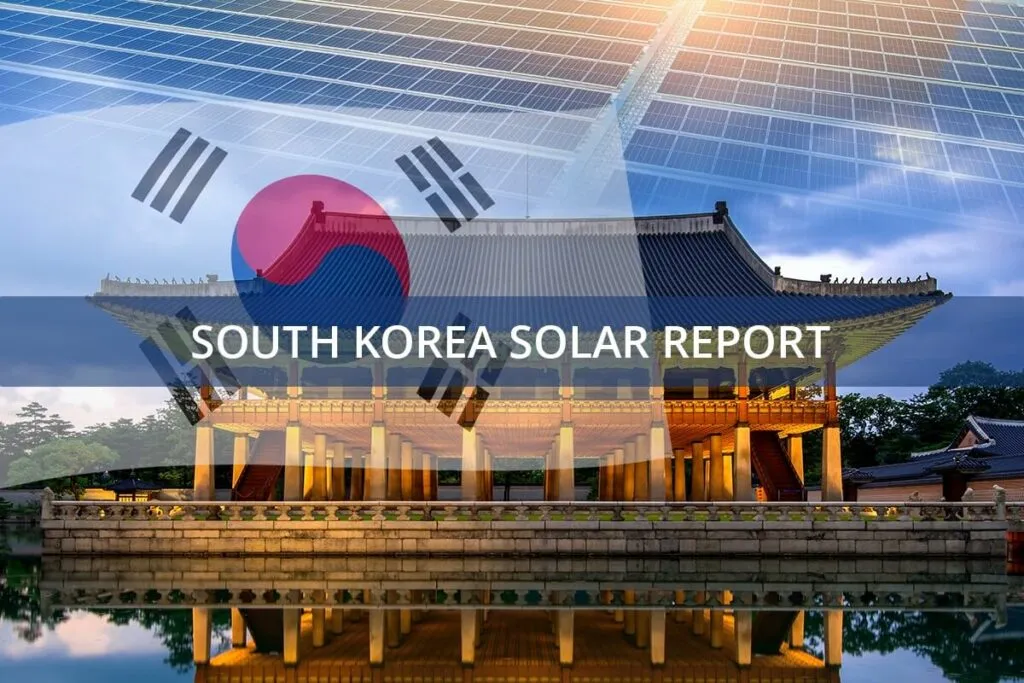
South Korea Amends Laws to Boost Solar Deployment Amid Energy Security Concerns
In the global race to secure energy independence and meet climate targets, South Korea has long been a key player to watch. As a nation heavily reliant on imported fossil fuels, its strategic moves toward renewable energy carry significant weight. A recent focus has been placed on legislative changes aimed at accelerating solar power deployment—a critical step for a country navigating volatile global energy markets and striving for a sustainable future.
The Drive for Legislative Change in South Korea solar energy
Energy security is a paramount concern for South Korea. The nation’s industrial prowess is powered by energy sources largely sourced from abroad, making it vulnerable to geopolitical tensions and price shocks. In response, Seoul has been actively shaping its national energy policy to foster greater self-sufficiency. Central to this strategy is the expansion of domestic renewable energy sources, with solar power being a leading candidate.
Amending existing laws to streamline the development of solar projects is a logical and necessary step. Such changes often aim to address key bottlenecks that have historically slowed down renewable energy adoption. These can include simplifying land use regulations, facilitating easier grid connections for solar installations, and enhancing financial incentives for both private and commercial solar projects. By creating a more favorable regulatory environment, the government can unlock significant private investment and accelerate the transition away from fossil fuels.
Why Solar is a Strategic Priority
For South Korea, solar energy offers a compelling path toward greater energy resilience. The country faces challenges with land availability, but innovative solutions like agrivoltaics (the dual use of land for both solar panels and agriculture) and floating solar farms are gaining traction. Legislative support is crucial for these advanced applications to scale effectively.
Boosting solar deployment directly addresses several strategic goals:
* Reducing Import Dependence: Every kilowatt-hour generated from domestic solar reduces the need for imported liquefied natural gas (LNG) or coal.
* Stabilizing Energy Prices: By diversifying the energy mix with a zero-fuel-cost source like solar, South Korea can better insulate its economy from the volatility of international energy markets.
* Meeting Climate Commitments: Expanding solar capacity is essential for South Korea to meet its Nationally Determined Contributions (NDCs) under the Paris Agreement and achieve its long-term carbon neutrality goals.
Navigating the Path Forward
While the intent behind amending energy laws is clear, the implementation and impact will be closely monitored. The success of these legislative pushes will depend on the detailed mechanisms put in place to support developers and ensure that new solar capacity can be integrated into the national grid without compromising stability.
For the most accurate and up-to-date information on policy changes, stakeholders and observers should refer to official announcements from South Korea’s Ministry of Trade, Industry and Energy (MOTIE). As the primary body overseeing the nation’s energy policy, its publications provide definitive confirmation of any new laws and regulations.
Ultimately, strengthening the legal framework for solar power is a clear signal of South Korea’s commitment to a secure and sustainable energy future. While specific details of recent amendments continue to emerge, the direction is clear: Seoul is paving the way for the sun to play a much larger role in powering its nation.