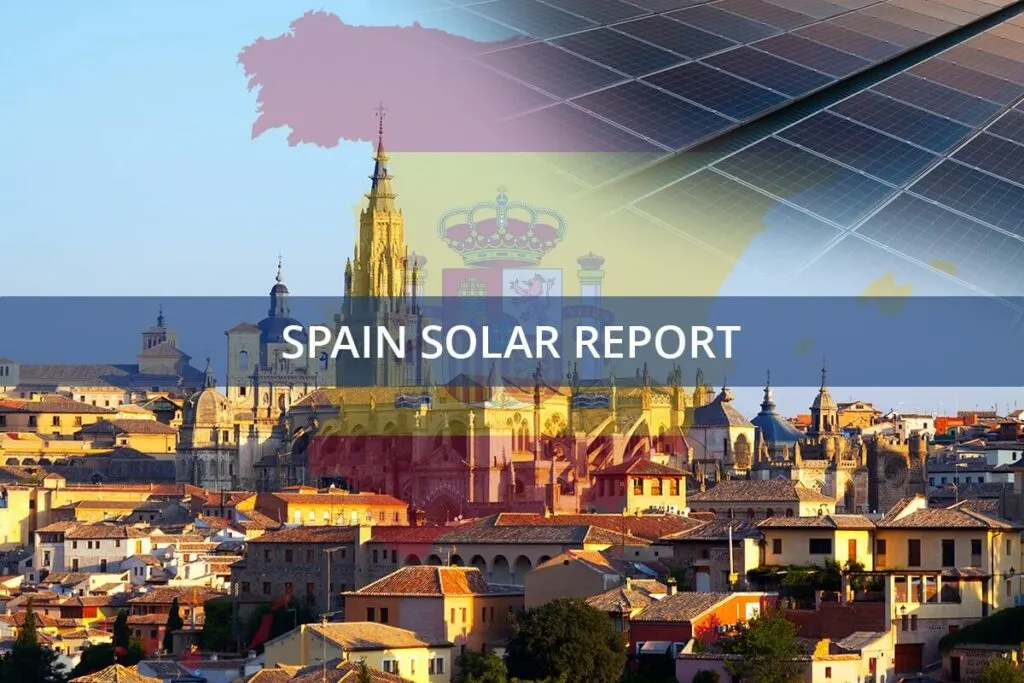
In a significant milestone for Europe’s clean energy transition, renewable sources contributed to 53.3% of Spain’s total power generation in September 2025. This surge in green energy, particularly from solar power, led to a 9.4% decrease in CO2 emissions and a 12.5% drop in the use of combined cycle gas turbines compared to September 2024. Spain’s success offers valuable lessons for other European nations, including Germany, as they navigate their own energy transitions.
Renewable Energy in Spain
Renewable energy accounted for a majority 53.3% of Spain’s total electricity mix in September 2025, generating 11,555 GWh, according to the country’s transmission system operator, Red Eléctrica de España (REE). This marks a notable increase from 50.8% in September 2024 and 47.7% in August 2025, highlighting a consistent and powerful upward trend.
The data reveals a significant shift in the renewable landscape. For the first time, solar photovoltaic (PV) was the leading renewable source, contributing a remarkable 23.2% of the total electricity generation. This achievement underscores the advancements in the solar panel manufacturing process, which has made solar power more efficient and accessible.
Other key contributors included:
* Wind Power: Accounted for 18.6% of the mix, providing a stable and substantial energy supply.
* Hydropower: Contributed 7.8%, showing a strong recovery with a 59.8% surge in generation compared to September 2024.
* Solar Thermal: Added another 2.1% to the renewable tally.
This high penetration of renewables, especially solar, had a direct impact on the energy market. The average day-ahead electricity price in September was €61.04/MWh, a 15.9% decrease from the previous year. However, it also introduced significant price volatility, with the market experiencing 66 hours of zero or negative prices. This phenomenon, driven by high solar generation during midday, highlights the growing need for grid modernization and energy storage solutions to manage renewable surpluses effectively.
Spain’s Renewable Energy Capacity
By the end of September 2025, Spain’s total installed power generation capacity reached 126,854 MW, with renewable energy sources impressively making up 68.6% of this total. The breakdown of this capacity shows a strong foundation for a green future: wind energy at 32.6%, solar PV at 23.1%, and hydropower at 15.2%. Understanding the basics of solar panel manufacturing is key to appreciating how this capacity is being rapidly expanded.
To support this large-scale integration, Spain plans to invest €13.59 billion in its power grid by 2030, focusing on industrial demand, green hydrogen, and grid stability.
Spain’s commitment also extends to its territories. The country recently launched a €60 million ($65.5 million) grant scheme for renewable energy projects in the Canary Islands, co-financed by the European Union. This new state aid scheme aims to support the development of wind, solar PV, concentrated solar power, and biogas, and is expected to be in place until December 31, 2027.
EU’s Support for Renewable Energy
The European Commission’s approval of the Canary Islands scheme is part of its broader strategy to promote renewable energy, reduce greenhouse gas emissions, and bolster the EU’s energy independence. The scheme will be co-financed by the Recovery and Resilience Facility, a central component of the EU’s €800 billion NextGenerationEU recovery plan.
Under the scheme, aid will be provided as direct grants, covering up to 45% of the costs for installing new renewable energy projects. The European Commission determined that the scheme’s positive effects—namely increased clean energy production and reduced emissions—far outweigh any potential distortion of competition. This initiative is expected to significantly boost the region’s renewable capacity while providing a vital economic stimulus through job creation and support for local businesses.
Spain’s renewable energy sector is clearly on a remarkable growth trajectory. The achievements of September 2025, supported by strategic national investments and EU funding, solidify its position as a leader in the global transition to sustainable energy. As the country tackles the challenges of grid management and price volatility, its progress serves as a blueprint for a carbon-neutral future.
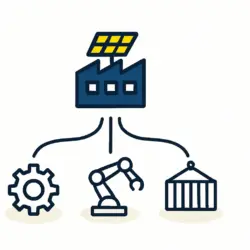
To learn more about the technology that makes this solar revolution possible, from the factory to the final installation, explore this comprehensive free e-course.