Understanding Syria electricity shortages: 2 Alarming Hours of Power Daily
Syria is submerged in a profound electricity crisis, with residents in the capital, Damascus, receiving a mere two hours of power each day. Across the country, the situation is similarly dire, as some regions endure continuous blackouts stretching up to 18 hours. This systemic failure of the power grid, crippled by aging infrastructure, persistent fuel scarcity, and the devastating effects of ongoing conflict, has pushed daily life and economic activity to the brink of collapse.
The human cost of the power shortage is immense. For countless families, the inability to afford alternative energy sources like private generators or battery storage systems means a return to rudimentary living. Marwan Youssef, a resident, voiced a common struggle, noting the financial impossibility of replacing grid electricity. Even during the brief periods when power is available, its weakness renders many appliances useless, though he added, “at least we can use the washing machine.” This daily uncertainty compounds the hardships faced by a population already contending with severe economic challenges.
Economic and Social Services Paralyzed Amid Syria’s Power Crisis
The country’s economic backbone is fracturing under the strain. Businesses are caught in a difficult position, forced to either absorb the high operational costs of diesel generators or scale back operations, often leading to layoffs or complete shutdowns. The agricultural sector, vital for food security, is heavily impacted, as irrigation pumps and cold storage facilities stand idle without a reliable power supply. This ripple effect stifles any prospect of economic recovery.
Essential public services are also in jeopardy. Hospitals and healthcare facilities, which depend on a constant flow of electricity for life-saving medical equipment, face extraordinary challenges. Similarly, schools and other critical civic institutions are struggling to function, further eroding the social fabric of the nation.
A Glimmer of Hope Amidst a Search for Solutions
The Syrian government has openly acknowledged the severity of the crisis. Prime Minister Hussein Arnous stated that electricity distribution is entirely dependent on scarce fuel supplies, offering little optimism for a short-term resolution. While rationing measures are in place, they have proven inadequate to meet the population’s basic needs.
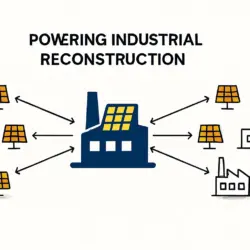
Looking ahead, a sustainable solution requires a monumental effort to rebuild and modernize the country’s energy infrastructure. A shift towards renewable energy represents a potential pathway forward. One notable initiative is a planned 100-megawatt solar power station in the Damascus countryside, designed to diversify the energy mix and lessen the reliance on volatile fossil fuel imports. However, such projects demand significant time, investment, and a stable environment for implementation—conditions that remain elusive.
Securing the necessary international aid and foreign investment to accelerate this transition is complicated by the ongoing political landscape. Until a comprehensive and well-supported strategy is enacted, Syrians like Marwan Youssef’s family will continue to navigate the daily challenges of life with minimal power, and the nation’s recovery will remain stalled in the dark.
Sources
- Syria’s Energy Crisis Is the Prologue to the World’s …
- Syria’s Infrastructure Crisis: Health, Education, Jobs and …
- Syrian Ministry of Energy Explains Reasons Behind Power …
- Electricity in Syria
- Powering the Recovery: the Electricity Sector at a Crossroads
- Syria’s energy comeback amid challenges