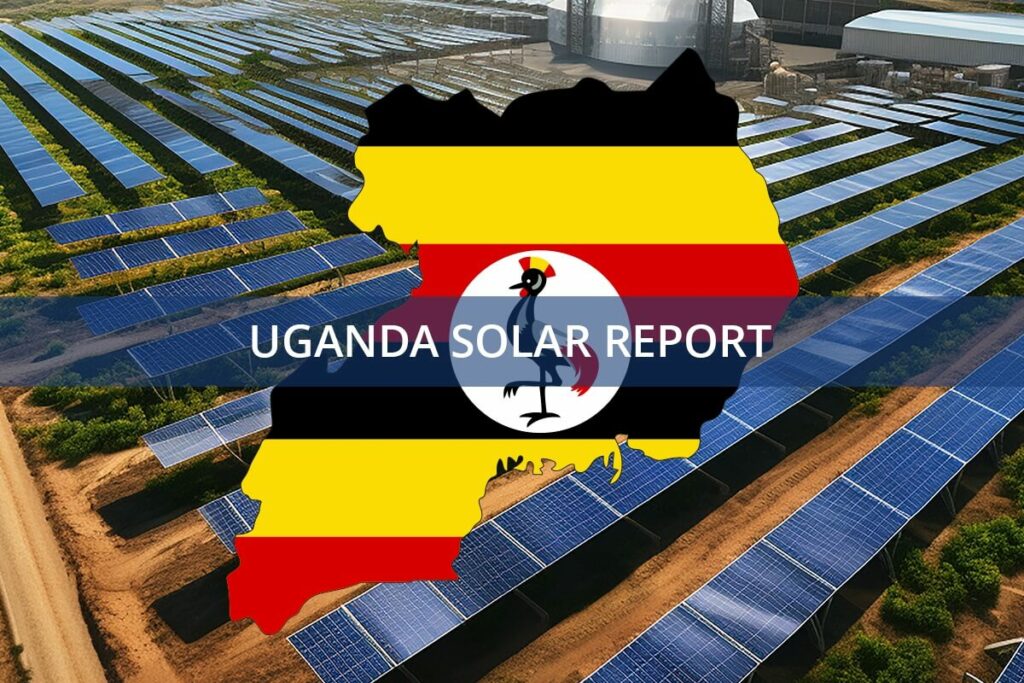
Uganda has formally recognized green bonds as a financial tool to support its renewable energy ambitions, marking a significant shift toward sustainable development. This strategic move positions Uganda within a growing trend across Africa, where nations are increasingly leveraging green finance to power their transition to clean energy, attract investment, and drive economic growth while addressing critical environmental concerns.
New Regulations for Uganda green bonds
The introduction of the Capital Markets Authority (Green Bonds) Regulations, 2023, marks a foundational milestone in Uganda’s journey toward a sustainable economy. These regulations, issued by the Minister of Finance, Planning, and Economic Development, Matia Kasaija, have been officially published in the Uganda Gazette. They establish a clear and robust framework for the issuance and management of green bonds—specialized debt instruments designed to raise capital exclusively for projects with proven environmental benefits.
Under these regulations, issuers must guarantee that all proceeds are allocated to eligible green projects and assets. While funds can be used for various purposes, including refinancing existing projects and managing financial obligations like interest payments, the core principle remains: the capital must support environmentally positive outcomes.
Furthermore, the rules mandate that proceeds be used exclusively for these eligible projects. Any temporary unallocated funds must be held in approved, low-risk instruments. A key timeline is also enforced: all proceeds must be fully allocated within two years of the bond’s issuance, ensuring that capital is deployed efficiently to make a timely impact.
Oversight and Reporting Requirements for Uganda green bonds
To build investor trust and prevent “greenwashing,” the regulations outline the strong oversight responsibilities of the Capital Markets Authority (CMA). The CMA is tasked with the critical functions of assessing the eligibility of proposed projects, ensuring the issuer is financially sound, and verifying that bond proceeds are ring-fenced for their intended green purpose.
Issuers are required to prepare a comprehensive green bond framework. This document must detail the eligible projects, the process for project evaluation and selection, and the specific mechanisms for managing the proceeds. Crucially, this framework must be reviewed and verified by an independent third party before any bond can be issued, adding a layer of objective validation.
To maintain transparency throughout the bond’s lifecycle, issuers must submit annual reports to both the CMA and investors. These reports must provide a detailed account of how the proceeds have been allocated and, importantly, quantify the environmental impact of the funded projects. This reporting must also be independently verified, ensuring accountability and allowing investors to see the tangible results of their investment. The regulations also include robust enforcement provisions, such as the suspension or delisting of bonds for non-compliance, protecting the integrity of Uganda’s emerging green bond market.
Impact on Uganda’s Renewable Energy Sector with Green Bonds
The introduction of these regulations is poised to unlock significant growth in Uganda’s renewable energy sector. The country possesses vast, largely untapped potential for solar, wind, and hydroelectric power, but a persistent lack of financing has hindered its development. Green bonds offer a powerful solution, creating a new channel to attract capital from both domestic and international investors committed to sustainability.
This new financing tool arrives at a pivotal moment. The government is already advancing major renewable initiatives, such as the recently approved Uganda solar storage: Stunning 100 MW Project, which includes a large-scale battery system. Green bonds can provide the necessary capital to bring more ambitious projects like this to life. Furthermore, these efforts are complemented by other government strategies, including the plan to hold Uganda’s 2025 Solar Auction: A Guide to Competitive Bids to drive down electricity costs.
International partners are also taking notice. For instance, Uganda Secures $12.5M World Bank Funding for Solar Energy to improve energy access. Green bonds will complement such programs by mobilizing private sector capital at a much larger scale. This aligns with Uganda’s role in a broader continent-wide commitment among 29 African nations to deliver electricity to 300 million people by 2030, making sustainable financing more critical than ever. The growth fueled by these bonds will stimulate the entire clean energy value chain, from importing solar panel raw materials to deploying sophisticated energy systems.
In conclusion, Uganda’s formal embrace of green bonds is a transformative step toward achieving sustainable development and tackling climate change. The new regulations provide the clarity, transparency, and accountability needed to build a credible green finance market. With this framework in place, Uganda is well-positioned to channel significant investment into its renewable energy sector, fostering economic growth, creating jobs, and securing a cleaner, more resilient future for its citizens.
To learn more about the fundamentals of solar energy technology, explore our free e-course.