Exploring the Uganda Transmission Project as a First Independent Project
A landmark moment for Uganda’s energy sector has arrived as the nation’s first-ever independent power transmission project officially moves into the construction phase. This pioneering initiative, the Amari Power Transmission project, marks a significant shift towards private sector investment in critical national infrastructure.
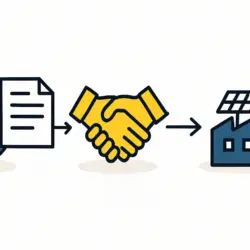
The project officially broke new ground in early February 2026, following the signing of key agreements between the developer, Gridworks, and the Government of Uganda in Kampala. With these agreements finalized, construction is set to commence in the coming weeks, signaling a new era for the country’s electricity grid.
A New Model for a Stronger Uganda transmission project Grid
Traditionally, the development and management of transmission infrastructure have been the sole responsibility of government entities, such as the Uganda Electricity Transmission Company Limited (UETCL). The Amari project challenges this model by introducing private sector financing, development, and operational expertise. This public-private partnership is designed to accelerate the expansion and enhance the reliability of Uganda’s national grid.
By attracting private capital, Uganda is not only alleviating the financial burden on the public purse but also setting a powerful precedent for other nations in Africa. This project serves as a blueprint for how independent transmission projects can be successfully structured and executed to meet the continent’s growing energy demands.
Paving the Way for a Brighter Energy Future with the Uganda transmission project
The commencement of the Amari Power Transmission project is more than just the start of construction; it is a crucial step towards a more robust and efficient energy future for Uganda. A stronger transmission network is essential for several reasons:
- Improved Reliability: It will help reduce power outages and ensure a more stable supply of electricity to homes and businesses.
- Economic Growth: Reliable power is a cornerstone of industrial and commercial development, attracting further investment and creating jobs.
- Integration of Renewables: An expanded grid is vital for connecting new power generation sources, including renewable energy projects, to the national network.
- Regional Cooperation: This development aligns with broader efforts to enhance energy cooperation and integration across East Africa.
As the bulldozers get to work, all eyes will be on the Amari project. Its successful implementation will not only deliver tangible benefits to the people of Uganda but will also illuminate a new path for infrastructure development across the continent.