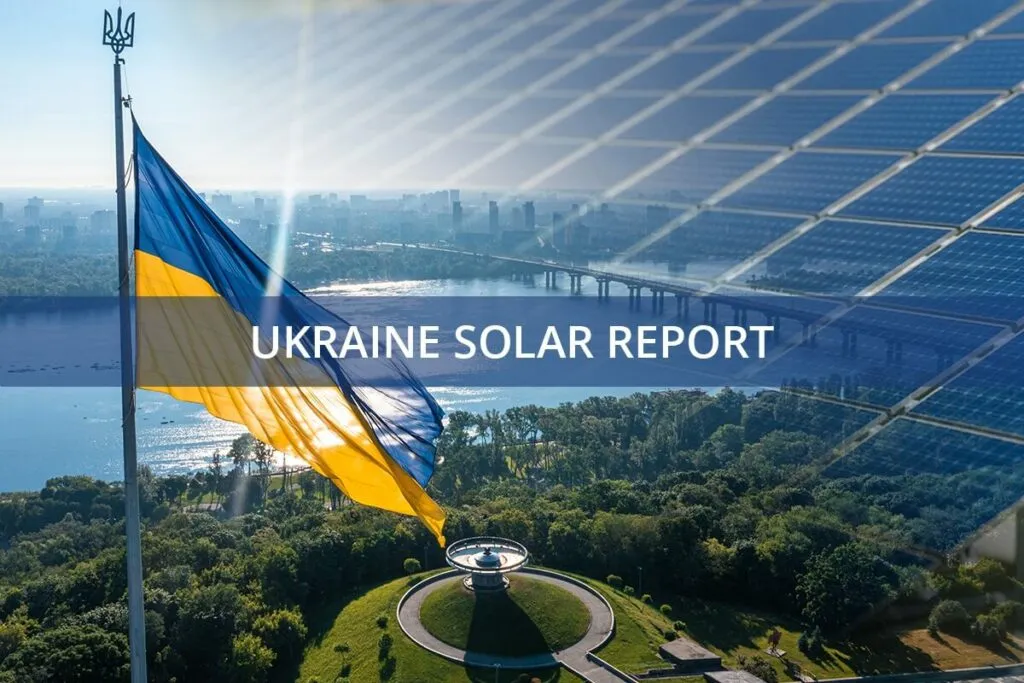
Ukraine and France have strengthened their collaboration on distributed solar generation, aiming to enhance Ukraine’s energy security and develop its distributed generation sector. This partnership, set against the backdrop of ongoing attacks on Ukraine’s energy infrastructure, will focus on building the nation’s capacity in resilient, decentralized solar energy.
Partnership Between France and Ukraine for Solar Cooperation
The French Agency for Ecological Transition (ADEME) and the State Agency on Energy Efficiency and Energy Saving of Ukraine (SAEE) have signed a Memorandum of Understanding (MoU) to deepen their cooperation. This strategic partnership is a key component of a broader collaboration that also includes nuclear energy, designed to bolster Ukraine’s energy security and accelerate its green transition.
Under the MoU, ADEME will share its extensive expertise in distributed solar energy with SAEE. This involves providing technical assistance, exploring innovative solar technologies, and developing robust energy storage and accumulation systems. The agencies will collaborate on crafting policies and programs to foster the growth of distributed generation, creating a resilient energy framework for Ukraine’s future.
Benefits of Distributed Solar Generation in Ukraine France solar cooperation
Distributed solar generation—the production of solar energy close to where it is consumed—offers several critical benefits for Ukraine, particularly in its current context.
First, it significantly enhances energy security by reducing the country’s reliance on imported fossil fuels and vulnerable centralized power plants. With frequent attacks targeting major energy facilities, localizing power generation through distributed solar systems is a vital defense strategy. This reduces the need for long-distance energy transmission, which can be costly, inefficient, and a prime target for disruption.
Second, distributed solar generation is the cornerstone of decentralizing Ukraine’s energy system. A decentralized grid is inherently more resilient to disruptions and less prone to widespread blackouts. If one part of the grid is compromised, localized microgrids can continue to supply power to critical infrastructure and communities. Innovative projects like the country’s first autonomous solar-powered gas station showcase the practical application of this resilient model.
Third, distributed solar energy can help lower electricity costs for households and businesses. By generating their own power, consumers reduce their dependence on the national grid and save on energy bills, easing the financial burden on citizens and supporting economic stability.
France’s Commitment to Supporting Ukraine France solar cooperation
France has been a steadfast supporter of Ukraine’s energy sector and its green transition. This partnership is a continuation of broader support that includes humanitarian aid with energy equipment and substantial financial and technical assistance.
France’s role as a major European electricity exporter, driven by its strong nuclear and renewable sectors, makes it an ideal partner. The country’s own success in expanding its clean energy portfolio, as highlighted by its impressive renewable energy targets, lends credibility and practical experience to this collaboration. By sharing its expertise, France is helping Ukraine build a more sustainable, independent, and resilient energy system.
Ukraine’s Ambitious Renewable Energy Targets for France solar cooperation
Ukraine has set ambitious goals for its renewable energy sector, aiming to generate 25% of its electricity from renewable sources by 2030. Distributed solar generation is poised to be a key driver in achieving this target.
The partnership with ADEME will help Ukraine address significant challenges in scaling its distributed generation capacity. This includes refining the regulatory framework, attracting investment, and raising public awareness. A crucial part of this is developing a robust domestic industry. By leveraging international support, Ukraine can enhance its capacity for solar manufacturing and strengthen its supply chains for export to the EU. Understanding the basics of solar panel manufacturing is the first step in this process.
Furthermore, collaborations like this are vital for unlocking financial support from international reconstruction funds for solar projects, which are essential for rebuilding and modernizing the nation’s energy infrastructure.
The partnership between France and Ukraine represents a significant step forward in this journey. By enhancing energy security, promoting decentralization, and helping achieve ambitious renewable targets, this collaboration will play a crucial role in Ukraine’s green transition and long-term resilience. For the latest developments, you can follow Ukraine solar news.
If you are interested in learning more about how solar panel manufacturing can contribute to energy independence, consider enrolling in our free e-course on starting a solar production line.