The Walla Walla solar farm: Impressive 315 MW Power for Microsoft and the Renewable Energy Boom
The development of large-scale renewable energy projects to power corporate operations represents a critical shift in the global energy landscape. A prime example of this trend is the reported Walla Walla Solar Farm, a significant 315-megawatt facility slated to provide clean electricity for Microsoft’s power-hungry data centers. This initiative highlights a growing symbiosis between Big Tech and the green energy sector, where corporate power purchase agreements (PPAs) are accelerating the transition away from fossil fuels.
Powering Industry with the Walla Walla solar farm: Impressive 315 MW Power for Microsoft
The model of dedicating a solar farm’s output to a single industrial user is gaining international traction. In Canada, for instance, Silicon Ranch’s Scotford Solar Farm directly powers a major refinery, demonstrating the viability of this approach for heavy industry. This strategy allows corporations like Microsoft to secure long-term, stable energy pricing while meeting ambitious sustainability targets. As data centers and other digital infrastructure continue to expand, their demand for clean, reliable power will make projects like the Walla Walla solar farm increasingly vital.
The Global Momentum of Walla Walla solar farm: Impressive 315 MW Power for Microsoft
The push for massive solar infrastructure is not an isolated phenomenon. Around the world, nations are leveraging solar technology to decarbonize their grids and foster energy independence. From the successful commissioning of a 100 MW project in Sri Lanka to the ambitious proposal for a major solar installation in Wales, the global commitment to photovoltaic energy is undeniable. These projects showcase a shared vision for a future powered by renewable sources.
Anatomy of a Mega-Project: Walla Walla solar farm: Impressive 315 MW Power for Microsoft
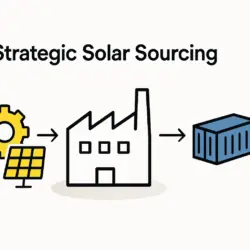
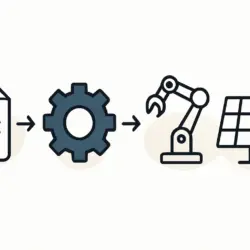
Executing a solar project on the scale of the Walla Walla farm is an immense logistical and financial undertaking. The journey from conception to operation involves navigating complex supply chains and advanced manufacturing. Understanding the fundamentals of photovoltaic production is key to appreciating the scale. The entire process relies on specific raw materials, highly specialized manufacturing equipment, and significant capital investment, as detailed in a typical solar factory cost analysis.
As the renewable energy sector continues to evolve, projects like the Walla Walla solar farm serve as powerful benchmarks for what can be achieved through strategic partnerships and technological innovation. For those interested in delving deeper into the industry’s mechanics, a foundational e-course can provide valuable insights into this dynamic field.
Sources
- City of Walla Walla City Council Agenda Packet
- Carbon Containment Lab Report
- Confederated Tribes of the Umatilla Indian Reservation Hearing Packet
- FRV Non-Financial Information Statement 2024
- DOE Teaming Partner List – Infrastructure eXCHANGE
- WREGIS Public Report of Active Organizations