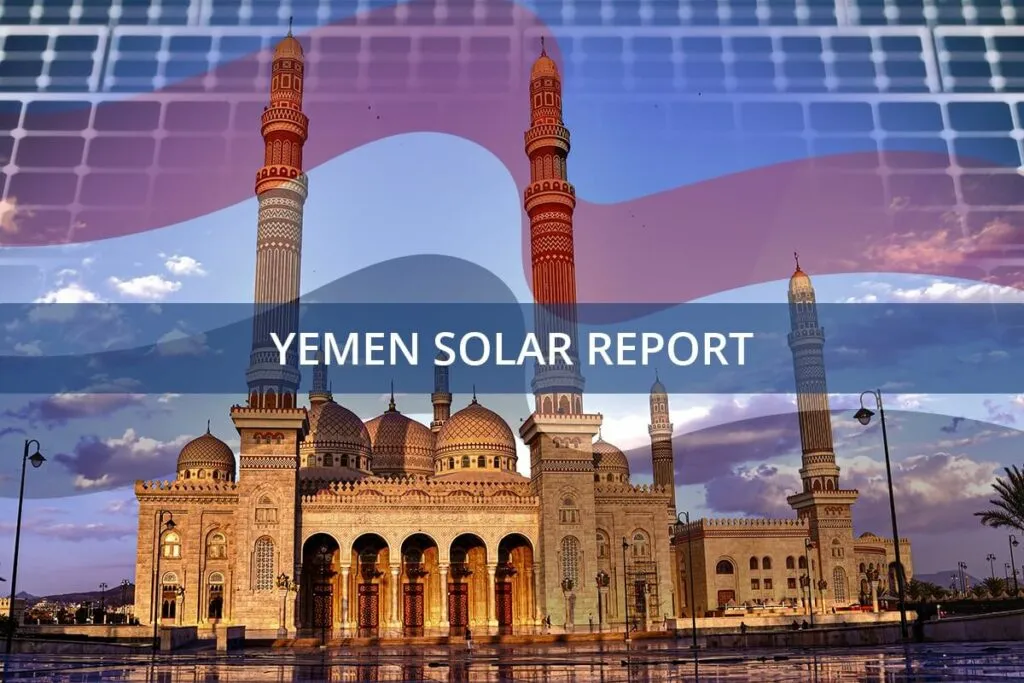
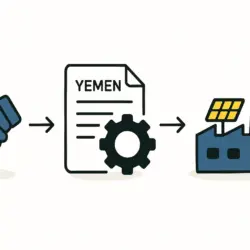
The Yemen Emergency Electricity Access Project has been a beacon of hope for 800 small and medium-sized businesses, bringing reliable and affordable electricity to communities in dire need. For many wondering if Yemen has electricity, this initiative is a powerful answer. Funded by the World Bank and implemented by the United Nations Office for Project Services (UNOPS), this project is a crucial step toward reviving Yemen’s energy infrastructure, which has been severely damaged by ongoing conflict.
Rebuilding Yemen’s Energy Infrastructure
Since the conflict escalated in 2015, Yemen’s energy infrastructure has suffered catastrophic damage, leaving countless people and businesses without a reliable power supply. The project has already begun to change that, providing affordable electricity in Yemen for 800 small and medium-sized businesses across 15 governorates.
The World Bank initially allocated $50 million to this initiative, and its success prompted an additional $50 million investment to meet the overwhelming demand. The project’s primary goal is to restore power to households, businesses, and critical service facilities, helping to rebuild Yemen’s national economy and improve daily life for its people.
Economic Impact on Yemeni Businesses
Among the project’s beneficiaries is the Aban Printing Press in Aden, founded in 1994. For years, the company struggled with frequent power outages and the high cost of diesel for its generators. With the installation of a 33kWp solar power system, the printing press now has a stable supply, reducing its reliance on diesel and cutting production costs. This new stability has allowed the company to expand its operations and increase profitability.
The Nahar Moti Factory for Mineral Water, established in 2007, tells a similar story. The factory had been operating at a loss, crippled by the high cost of diesel-powered electricity. Now equipped with a 40kWp solar power system, it has significantly reduced production costs and increased profitability, allowing it to sustain its operations and continue supplying clean water to the community.
Extending Power to Critical Healthcare Facilities
The project’s benefits extend beyond businesses to critical healthcare facilities. For instance, Al-Salam Hospital in Taiz, which has served its community for over 30 years, faced constant challenges as power outages disrupted essential medical services. The installation of a 52kWp solar power system has given the hospital a reliable source of electricity, ensuring uninterrupted care. This stability has made a considerable difference to the quality of healthcare in the community and helped save lives.
Solar Energy’s Role in Yemen’s Future
The Yemen Emergency Electricity Access Project demonstrates the transformative power of solar energy in reshaping the country’s energy sector. By providing clean, renewable power, the project reduces Yemen’s dependence on expensive and polluting fossil fuels while serving as a model for future energy solutions in the region.
The project’s success also underscores the vital role of international support. The World Bank’s funding commitment and the implementation expertise of UNOPS have been key to this achievement. This initiative aligns with the global shift toward renewable energy—a trend also seen in projects like the 120 MW solar power plant in Aden—further solidifying solar power’s role in Yemen’s sustainable future.
By restoring reliable and affordable electricity, the Yemen Emergency Electricity Access Project has made a real difference in the lives of many Yemenis. Its focus on small and medium-sized businesses and critical healthcare facilities is playing a crucial role in rebuilding the nation’s economy and improving life for its citizens.