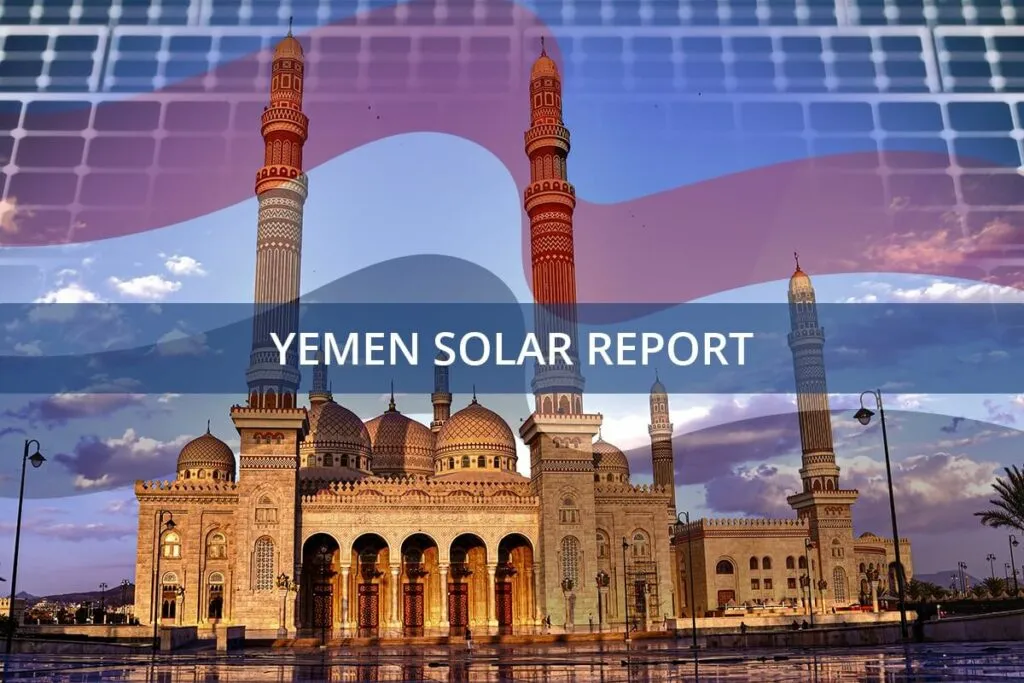
Masdar and the Yemen Solar Farm Agreement in Hadhramaut
In a landmark move for Yemen’s energy sector, the UAE-based renewable energy giant Masdar has signed an agreement with the Yemeni government to develop a 50-megawatt (MW) solar photovoltaic (PV) power plant in the Hadhramaut Governorate. This pivotal project represents a significant step towards addressing the nation’s severe energy crisis and fostering stability in a region long plagued by conflict and infrastructure challenges.
Announced in early 2026, the agreement is being hailed as the first major renewable energy initiative in Yemen since truce efforts began in 2022, signaling a new era of sustainable development and hope for the country.
Project Details: A Beacon of Hope for the Yemen Solar Farm
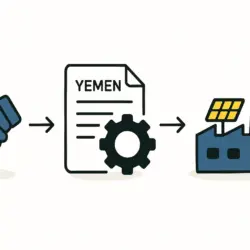
The agreement, officially confirmed through a press release on Masdar’s website (masdar.ae) and by Yemen’s state news agency SabaNet, outlines a comprehensive plan to bring clean, reliable power to eastern Yemen.
- Scope and Capacity: The project will feature a 50MW solar PV farm, capable of generating enough electricity to power tens of thousands of homes. Crucially, the plan is expected to incorporate battery storage solutions to ensure grid stability and provide a consistent power supply, even when the sun isn’t shining.
- Strategic Location: Hadhramaut was chosen for its vast desert landscape and exceptional solar potential, boasting an annual solar irradiance of over 2,200 kWh/m². According to reports from the International Renewable Energy Agency (IRENA), Yemen ranks among the top 10 countries globally for solar energy potential, a resource that has remained largely untapped until now.
- Timeline and Investment: Construction is slated to begin in mid-2026, with the plant expected to be fully operational by 2028. The total investment is estimated to be between $50 million and $70 million, backed by a combination of UAE aid, Masdar’s own portfolio, and potential support from multilateral institutions like the World Bank or the Green Climate Fund.
Addressing a Critical Energy Deficit with the Yemen Solar Farm
The significance of this project cannot be overstated. According to 2025 data from the World Bank, a staggering 80% of Yemen’s population lacks access to reliable electricity. Many communities depend on expensive, polluting diesel generators, which place a heavy financial burden on families and businesses.
By providing a clean and more affordable energy source, the 50MW solar farm will directly improve the lives of the 1.5 million people residing in Hadhramaut. It promises to enhance energy security, power essential services like hospitals and schools, and create economic opportunities in a region that has maintained relative stability. This initiative is seen not just as an infrastructure project, but as a crucial component of broader peace-building and stabilization efforts supported by the international community.
Leveraging Global Expertise for Local Yemen Solar Farm Development
The involvement of Masdar brings world-class expertise to the project. As a leading developer with a global portfolio exceeding 20GW, Masdar is responsible for groundbreaking projects like the 2GW Al Dhafra Solar PV plant in Abu Dhabi, the world’s largest single-site solar facility. This experience is vital for navigating the complexities of developing a large-scale project in a challenging environment.
The Hadhramaut solar farm builds upon previous UAE-funded energy initiatives in Yemen, including a 10MW solar project in Socotra, demonstrating a sustained commitment to the country’s recovery and sustainable future. Furthermore, this collaboration aligns perfectly with the renewable energy pledges made during global climate conferences like COP28, which emphasized accelerating the green transition in the Middle East.
As reported by news outlets like Reuters and Arab News, this agreement is a testament to what can be achieved when strategic investment meets profound local need. For Hadhramaut and Yemen, the promise of 50MW of clean energy is more than just electricity—it is a powerful symbol of progress, resilience, and a brighter future.