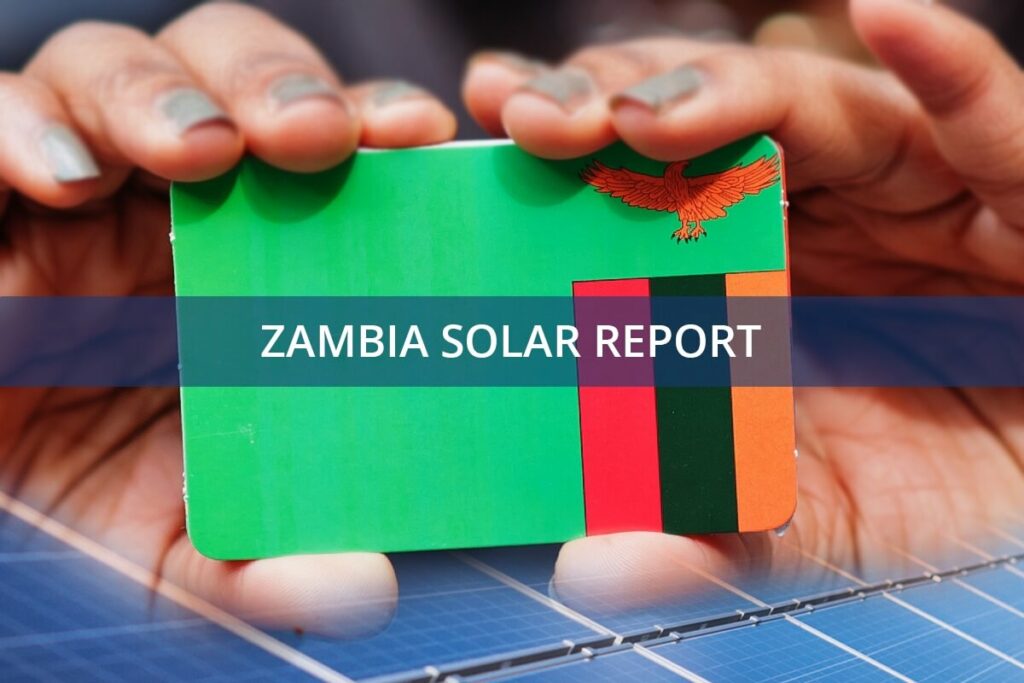
On April 10, 2024, Zambia marked a significant milestone in its renewable energy transition with the commissioning of the 60-megawatt Itimpi Solar Photovoltaic Power Station in Kitwe. President Hakainde Hichilema officiated the inauguration of the facility, a key project developed by the Copperbelt Energy Corporation (CEC). This landmark clean energy investment, valued at over USD 53 million, represents a critical step in diversifying the nation’s power sources.
A Timely Response to National Energy Challenges
The plant’s launch is particularly crucial as Zambia confronts a severe drought, intensified by El Niño, which has strained its predominantly hydroelectric grid. In his keynote address, President Hichilema emphasized that projects like Itimpi are vital for building resilience against climate change and ensuring a stable energy supply to fuel economic development. Energy Minister Peter Kapala reiterated this, noting the plant’s important contribution to promoting alternative energy and mitigating the country’s power deficit.
Technical Specifications and Environmental Benefits
Situated in the Garneton area, the Itimpi photovoltaic facility spans 80 hectares and is equipped with 109,144 mono-crystalline bifacial solar modules that utilize sun-tracking technology for optimal output. The project, financed via the first tranche of CEC Renewables’ USD 200 million Green Bond, is engineered to generate 130 GWh of clean electricity annually. This output is expected to offset approximately 122,000 tonnes of carbon emissions each year, contributing significantly to Zambia’s climate goals.
Socio-Economic Impact and Future Outlook
Beyond its energy contributions, the project has delivered significant local benefits. London Mwafulilwa, Chairperson of the CEC Board, highlighted that the construction phase created over one thousand jobs, showcasing the tangible benefits of investing in green infrastructure. CEC Managing Director Owen Silavwe also stressed the need for greater collaboration within the energy sector to meet Zambia’s escalating power demands.
Harnessing over 3,000 hours of annual sunshine, Zambia is well-positioned to become a solar power leader. The Itimpi plant serves as a model for this potential, supported by government initiatives like the Renewable Energy Feed-in Tariff (REFIT) program. As the nation continues to build its expertise and generation capacities, projects like Itimpi are paving the way for a more secure and sustainable energy future.
Sources
- CEC Commissions 60MW Itimpi Solar Photovoltaic Power Station in …
- Zambia’s CEC scaling up on solar power – African Review
- Itimpi Solar Power Station – Wikipedia
- Project detail – CEC Renewables Limited – FMO
- Itimpi solar farm – Global Energy Monitor
- President Hichilema Inaugurates 60MW CEC Itimpi Solar Plant in …
- Zambia to benefit from 60 MW solar power station – MiningWeekly.com
- CEC Commissions 60MW Itimpi Solar Photovoltaic Power Station In …