Floating Solar Panels
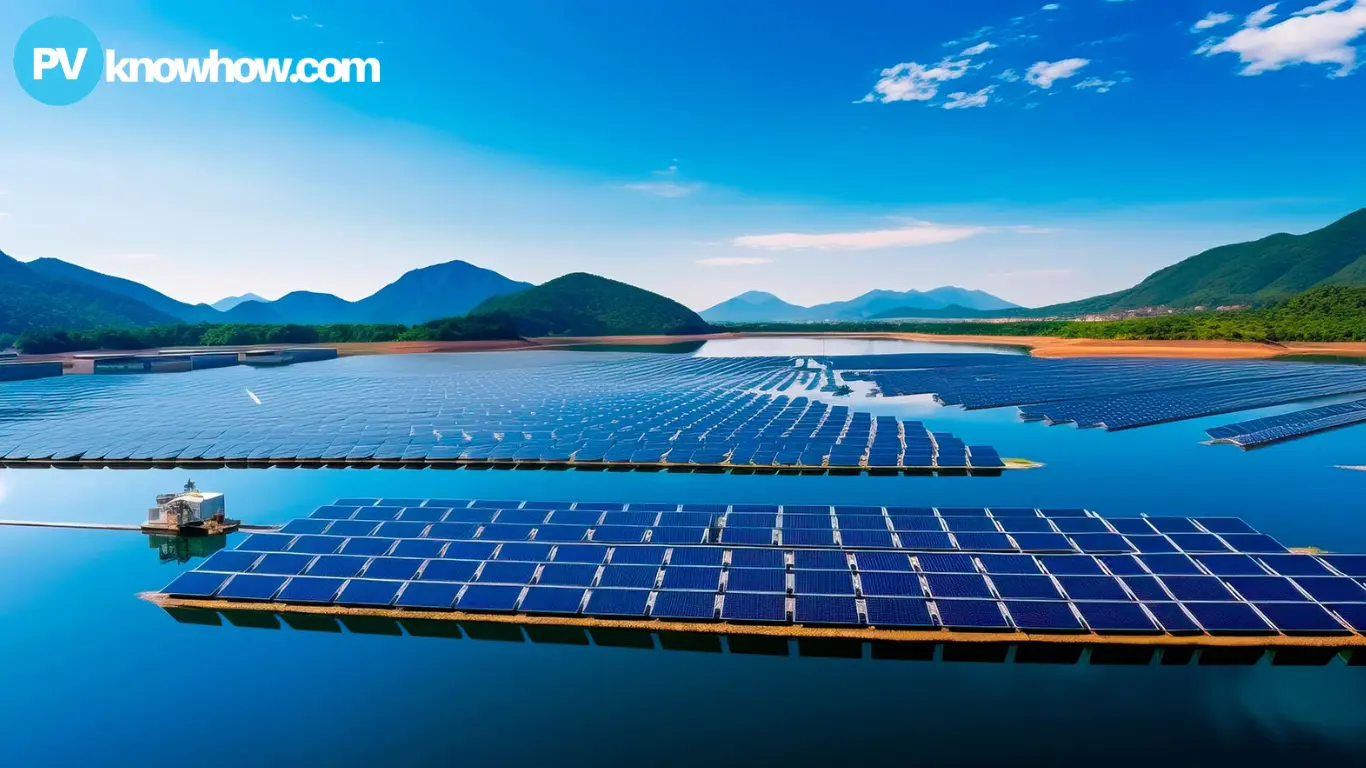
Zimbabwe plans to install floating solar panels on the Kariba Dam — the world’s largest artificial freshwater reservoir — by early next year, according to the Ministry of Mines and Energy Development.
Tackling a National Energy Crisis
This ambitious initiative marks a pioneering step toward sustainable energy for the nation. Led by the Ministry of Mines and Energy Development, the project is designed to tackle the country’s significant energy shortages and promote renewable power sources.
Currently, Zimbabweans are enduring severe electricity rationing, with daily outages lasting up to 18 hours as the national utility grapples with insufficient production. The country’s primary power station, the 1,050 MW Kariba hydropower plant, has been forced to reduce its output due to depleted water levels caused by years of below-average rainfall. In 2022, the plant’s operator on the Zimbabwean side, ZPC, had to limit generation to approximately 300 MW.
During a press briefing in Harare, Gloria Magombo, the secretary for energy and power development, outlined the Ministry’s plans. The initial phase will involve installing 150 megawatts of solar panels on the Kariba Dam. Magombo stressed the project’s potential to significantly boost Zimbabwe’s energy capacity and noted substantial interest from the private sector, with applications already submitted for an additional 600 megawatts of floating solar panels, though she did not offer specific details.
The Driving Need for Solar Solutions
Zimbabwe’s move toward floating solar technology stems from declining water levels in the Kariba Dam, which it shares with Zambia. A severe drought has prompted the Zambezi River Authority to reduce water allocation for hydroelectric power, worsening energy shortages and causing frequent blackouts nationwide. The crisis has compelled the government to seek alternative energy sources.
Magombo highlighted how the drop in water levels has severely affected power generation. Floating solar panels, she noted, offer a practical solution to boost energy supply without putting additional strain on water resources. This innovative approach also maximizes space and reduces water evaporation from the reservoir—an added environmental advantage.
“Our ability to generate power has been significantly impacted by lower water levels,” Magombo stated. “Floating solar panels offer a practical way to increase our energy output without putting further stress on our water resources.”
Benefits of Floating Solar on Kariba Dam
The Kariba Dam, shared between Zambia and Zimbabwe, was constructed in the late 1950s. It remains a pivotal site for hydroelectric power generation, with an installed capacity of 1,050 MW on the Zimbabwean side. The dam is also a major tourist attraction and supports a thriving reservoir fishery, which is crucial for local employment.
Installing floating solar panels on Kariba Dam is intended to optimize power generation while addressing environmental concerns. Studies suggest that integrating floating photovoltaic (FPV) technology into reservoirs like Kariba offers significant economic benefits. The advantages include enhanced solar panel efficiency due to the water’s cooling effect, reduced evaporation, and improved water quality. Compared to land-based installations, the environmental impact is minimal, and co-locating FPV with existing hydropower infrastructure maximizes grid connectivity. This approach effectively allows reservoirs to be used as virtual batteries, storing excess energy for periods of low solar production.
Looking ahead, Zimbabwe’s government plans to extend floating solar technology beyond Kariba Dam to other reservoirs, including Mutirikwi Dam. Magombo also highlighted the growing private sector interest in developing more floating solar projects, signaling a broader commitment to renewable energy investment in the country.
The introduction of floating solar panels marks a significant step in Zimbabwe’s energy strategy. It aligns with global trends toward renewable energy and demonstrates the country’s proactive approach to addressing climate change and ensuring energy security. Ultimately, this initiative aims not only to alleviate the current energy crisis but also to position Zimbabwe as a pioneer of innovative energy solutions across Africa.